Clinical Report: Exploring the Mechanisms of Lipoprotein(a) Induced Ferroptosis
Overview
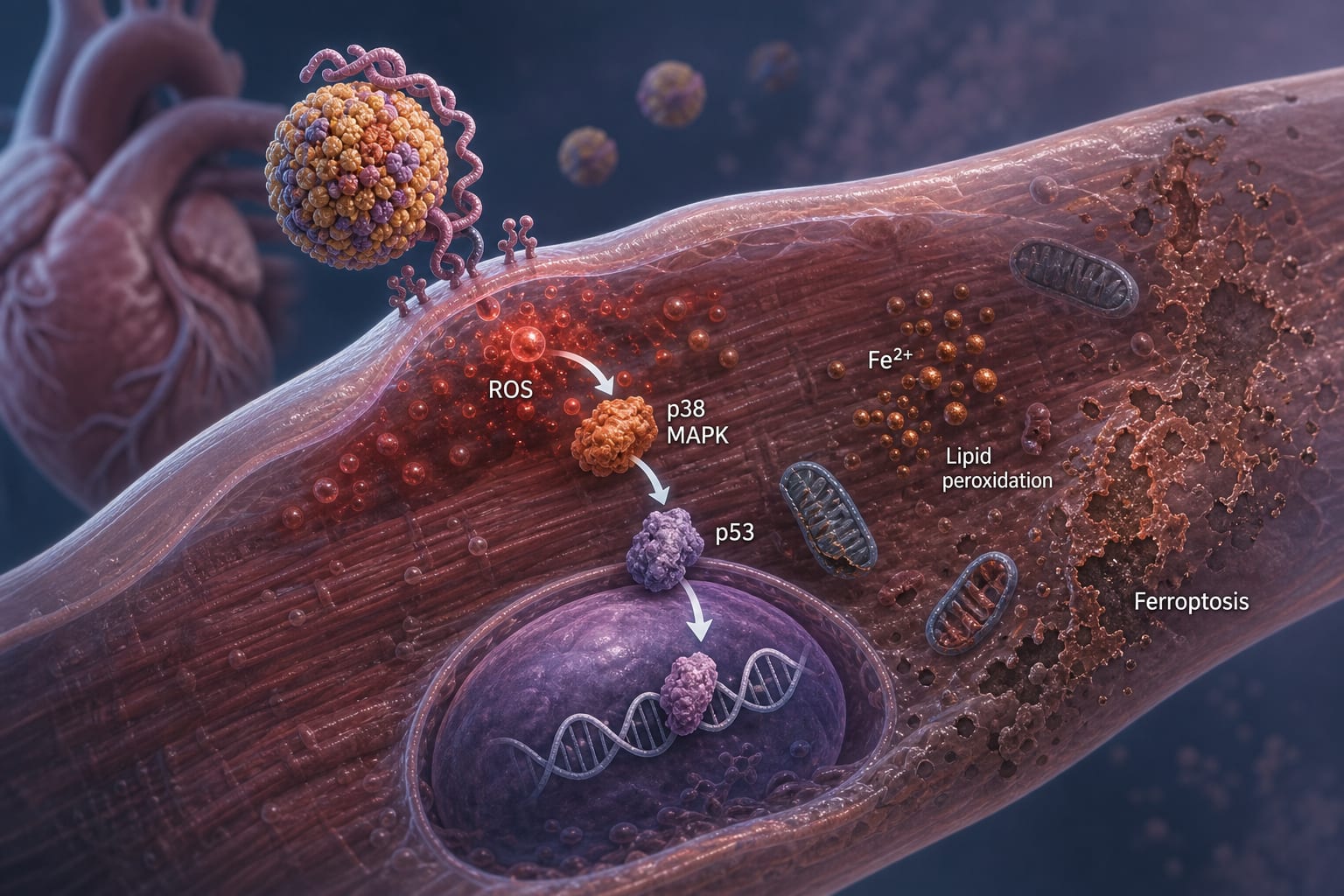
This study investigates the role of lipoprotein(a) [Lp(a)] in inducing ferroptosis in cardiomyocytes through specific signaling pathways. Activation of p38 MAPK and p53 are identified as critical mediators in this process, contributing to cardiomyocyte injury.
Background
Lipoprotein(a) is recognized as a residual cardiovascular risk factor, particularly in patients with elevated lipid levels. Despite lowering LDL cholesterol, many patients remain at risk for cardiovascular events due to high Lp(a) levels, which have been associated with increased mortality. Understanding the mechanisms by which Lp(a) affects cardiomyocytes is crucial.
Data Highlights
Finding
Details
Ferroptosis Induction
Lp(a) triggers ferroptosis in AC16 human cardiomyocytes.
p38 MAPK Activation
p38 MAPK phosphorylation increases in response to Lp(a).
p53 Activation
Nuclear translocation of p53 is driven by p38 activation.
Three of 23 patients experienced heart failure deterioration following medication withdrawal, while adverse drug events occurred only among patients who continued therapy.