Clinical Report: Current Advances in Diabetes Technology and Their Impact on Patient Experience
Background
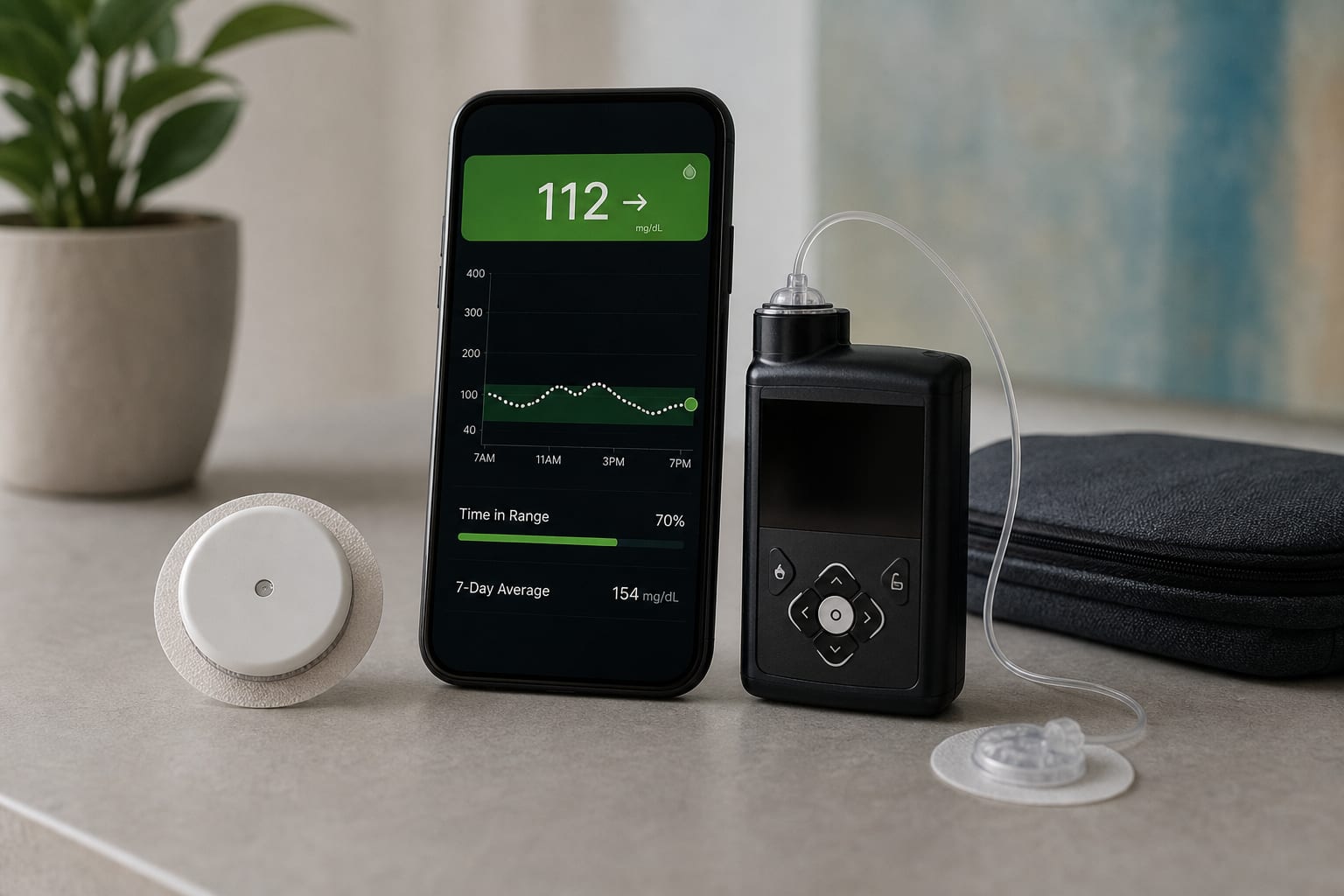
The integration of continuous glucose monitors (CGMs) and automated insulin delivery (AID) systems has transformed diabetes management, particularly for individuals with type 1 diabetes. While the clinical benefits of these technologies on glycemic control are well documented, their effects on patients' daily lives and emotional health require further exploration.
Data Highlights
Participants
Mean Age
Gender Distribution
535
48 years (range 18 to ≥70)
52.8% female
Key Findings
Four major themes emerged from qualitative analysis: psychosocial and emotional impact, daily functioning and lifestyle, environmental influences, and technology-related challenges.
321 participants reported on the psychosocial and emotional impacts of diabetes technology.
184 participants discussed how diabetes technology affected their daily functioning and lifestyle.
Responses indicated both improvements in diabetes distress and increased psychosocial burdens such as alarm fatigue and financial stress.
Qualitative methods provided nuanced insights into the emotional and cognitive dimensions of diabetes technology use.
Clinical Implications
Healthcare providers should consider the psychosocial aspects of diabetes technology when discussing treatment options with patients. Addressing both the benefits and challenges associated with these technologies may enhance patient support and adherence.
Conclusion
The study highlights the complex interplay between diabetes technology and patient experience, emphasizing the need for ongoing evaluation of both clinical and psychosocial outcomes in diabetes management.