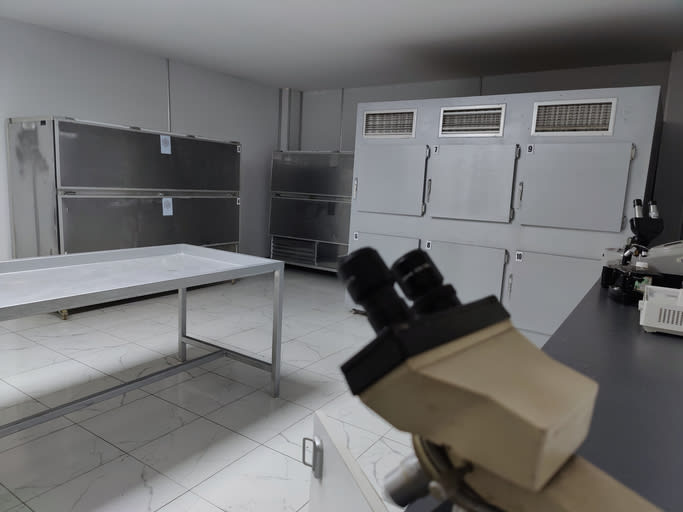
Postmortem Blood Cultures May Aid Autopsy Analysis
-
By
-
Jess Allerton
-
March 25, 2026
-
3 min
Clinical Report: Postmortem Blood Cultures May Aid Autopsy Analysis
Overview
Postmortem blood cultures can provide supportive evidence for determining cause of death when analyzed alongside autopsy findings. In a study of 100 medico-legal autopsies, 66% of cases showed bacterial growth, with significant associations between culture positivity and cause of death.
Background
Postmortem microbiology is not routinely performed, partly due to challenges in distinguishing true infection from contamination. Understanding the role of postmortem blood cultures can enhance forensic and diagnostic pathology, particularly in cases where infection is suspected. This study highlights the potential of these cultures to aid in determining the cause of death.
Data Highlights
{'additional_findings': [{'organism': 'Klebsiella pneumoniae', 'percentage': 'most commonly identified'}, {'organism': 'Enterobacter spp', 'percentage': 'second most commonly identified'}, {'organism': 'Acinetobacter baumannii', 'percentage': 'third most commonly identified'}]}Key Findings
- 66% of postmortem cases showed bacterial growth.
- 92.4% of positive cultures were monomicrobial.
- Klebsiella pneumoniae was the most commonly identified organism.
- Positive cultures were significantly associated with disease-related deaths (93.8%) compared to polytrauma (68.1%).
- No significant relationship was found between culture results and postmortem interval or duration of hospital stay.
Clinical Implications
Postmortem blood cultures should be considered as a complementary tool in forensic investigations, particularly when the cause of death is unclear. However, results must be interpreted cautiously, taking into account autopsy findings and clinical history.
Conclusion
The study suggests that postmortem blood cultures can enhance the understanding of cause of death but should not be used in isolation. Correlating microbiological findings with autopsy and clinical data is essential for accurate interpretation.
Related Resources & Content
- Intensive Care Medicine, 2022 -- Enhanced Partnership Between Pathologists and Intensivists for Comprehensive Understanding Beyond Coronavirus Disease
- Clinical Research in Cardiology, 2025 -- Implementation of post-mortem examinations within a large population-based cohort: results from the Hamburg City Health Study
- Infection, 2024 -- Reduced time to positivity and faster turnaround with mycosis blood culture bottles for the detection of Candida albicans
- Open Forum Infectious Diseases -- Retrospective Study on the Clinical Implications of Positive Blood Cultures in Emergency Departments: Insights from a Single-Center Investigation
- Postmortem Microbiology in Forensic Diagnostics: Interpretation of Infectious Causes of Death and Emerging Applications - PMC
- Postmortem microbiological sampling: a prospective ESGFOR-supported study on relevance, timing, and site selection - PubMed
- Postmortem Microbiology in Forensic Diagnostics: Interpretation of Infectious Causes of Death and Emerging Applications - PMC
- Postmortem microbiological sampling: a prospective ESGFOR-supported study on relevance, timing, and site selection - PubMed
This content is an AI-generated, fully rewritten summary based on a published scholarly article. It does not reproduce the original text and is not a substitute for the original publication. Readers are encouraged to consult the source for full context, data, and methodology.