Durable disease control after multimodal therapy and platinum-based chemotherapy rechallenge in advanced clear cell adenocarcinoma of the urethra with lymph node metastases: a case report - Report - MDSpire
Advertisement
Durable disease control after multimodal therapy and platinum-based chemotherapy rechallenge in advanced clear cell adenocarcinoma of the urethra with lymph node metastases: a case report
Clinical Report: Sustained Disease Management Following Multimodal Treatment
Overview
This case study reports on a 60-year-old woman with advanced clear cell adenocarcinoma of the urethra who achieved long-term disease control following multimodal treatment, including neoadjuvant chemotherapy and radical surgery. The patient remains progression-free 32 months post-diagnosis.
Background
Clear cell adenocarcinoma of the urethra (CCAU) is a rare malignancy with unclear optimal treatment strategies due to its low incidence. The management of advanced or metastatic CCAU, particularly with lymph node involvement, poses significant clinical challenges.
Data Highlights
The study highlights the following data:
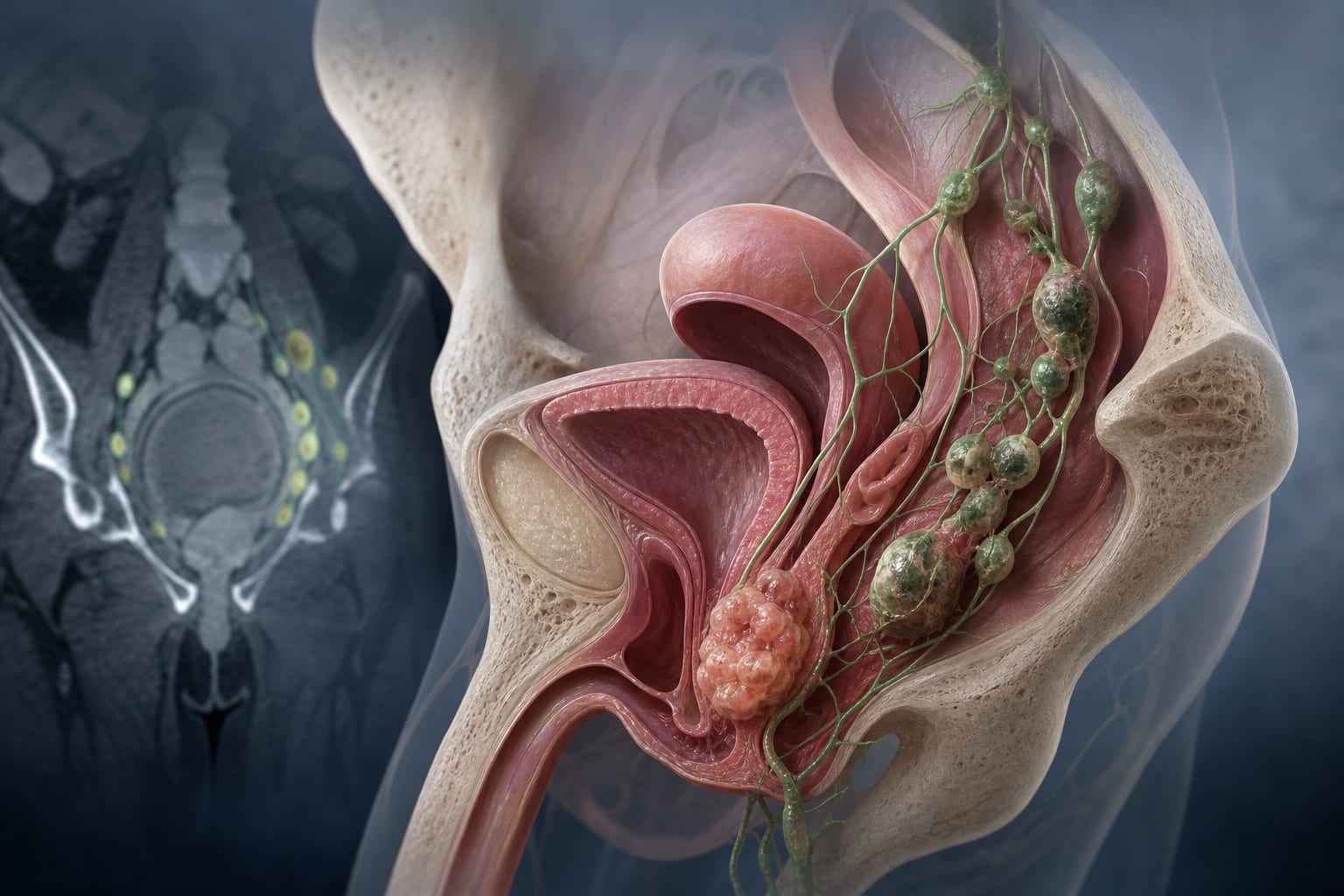
The patient was diagnosed with advanced CCAU (cT4N2M0) with pelvic lymph node metastases.
Neoadjuvant chemotherapy with gemcitabine and cisplatin resulted in a 37.5% reduction in lymph node size, indicating a partial response.
Post-surgery, the patient had ypT4N2M0 status with negative surgical margins.
Adjuvant nivolumab was discontinued due to immune-related hypothyroidism and nodal recurrence.
Reintroduction of gemcitabine and cisplatin chemotherapy achieved another partial response.
The patient remains progression-free 32 months after diagnosis.
Key Findings
A 60-year-old woman was diagnosed with advanced CCAU (cT4N2M0) with pelvic lymph node metastases.
Neoadjuvant chemotherapy with gemcitabine and cisplatin resulted in a 37.5% reduction in lymph node size, indicating a partial response.
Post-surgery, the patient had ypT4N2M0 status with negative surgical margins.
Adjuvant nivolumab was discontinued due to immune-related hypothyroidism and nodal recurrence.
Reintroduction of gemcitabine and cisplatin chemotherapy achieved another partial response.
The patient remains progression-free 32 months after diagnosis.
Clinical Implications
This case discusses the management of advanced CCAU, combining chemotherapy and radical surgery.
Conclusion
This case presents a patient with advanced CCAU who achieved long-term disease control following multimodal treatment.
Related Resources & Content
Author(s)/Org, Source, Year -- Title
Frontiers in Oncology, Frontiers in Oncology, 2026 -- Sequential multimodal management for recurrent pulmonary NUT carcinoma: a case report
Independent Prognostic Value of Radiographic and Pathological Lymph Node Assessments for Survival After Neoadjuvant Chemotherapy and Radical Cystectomy in cT3/4 or cN+ Bladder Cancer, Springer, 2022
The ASCO Post, The ASCO Post, 2024 -- Nivolumab Plus Chemotherapy Extends Survival in Lymph Node–Only Metastatic Urothelial Cancer
The ASCO Post — Immunotherapy Has Indelibly Changed the Treatment Paradigm in Urothelial Carcinoma