Sensor-Based Monitoring of Knee Osteoarthritis Symptoms in Free-Living Settings: Scoping Review - Report - MDSpire

Sensor-Based Monitoring of Knee Osteoarthritis Symptoms in Free-Living Settings: Scoping Review

  • By

  • Bo Cui

  • Bert-Jan van Beijnum

  • Monique Tabak

  • Ying Wang

  • July 2, 2026

  • 0 min

Share

Monitoring Knee Osteoarthritis Symptoms Using Sensor Technology

Overview

This scoping review identifies and maps objective digital markers for monitoring knee osteoarthritis symptoms in natural environments.

Background

Knee osteoarthritis is a common degenerative joint disease that significantly impacts the quality of life, particularly in older adults. Traditional assessment methods often fail to capture the dynamic nature of symptoms, necessitating the exploration of objective monitoring technologies. Wearable sensors present a promising avenue for continuous data collection.

Data Highlights

No numerical data or trial data were provided in the article.

Key Findings

  • Knee osteoarthritis affects 10%-15% of individuals aged 60 and older globally.
  • Traditional assessment methods are limited by recall bias and provide only a snapshot of symptoms.
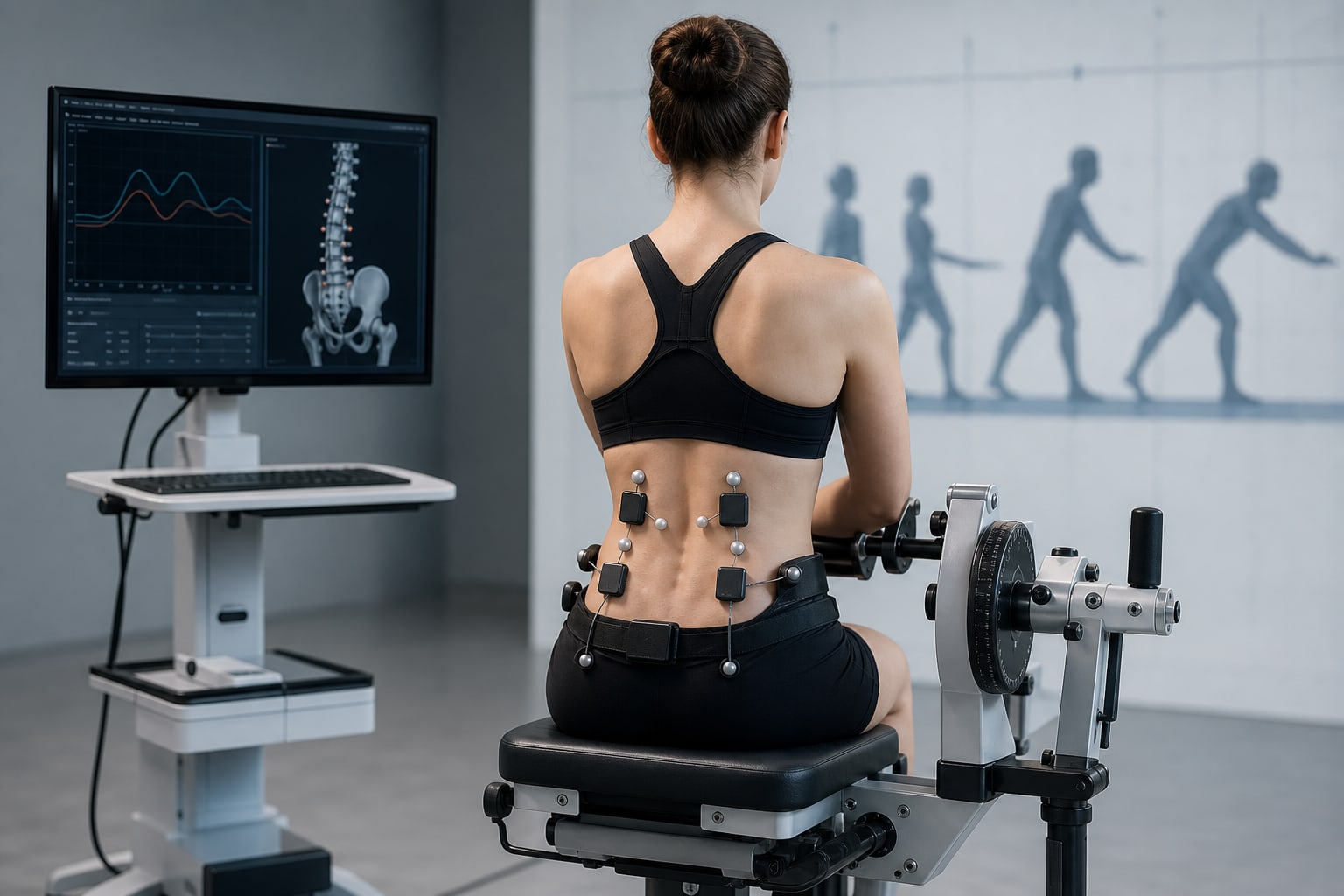
  • Wearable sensors can collect objective data on physiological and biomechanical markers related to knee osteoarthritis.
  • There is a need for a comprehensive synthesis of digital markers to effectively capture symptom variability.

Clinical Implications

The integration of wearable sensor technologies could enhance the monitoring of knee osteoarthritis symptoms.

Conclusion

The review emphasizes the importance of identifying and validating digital markers for knee osteoarthritis.

Related Resources & Content

  1. Author(s)/Org, Source, Year -- Title
  2. Author(s)/Org, Source, Year -- Title
  3. Author(s)/Org, Source, Year -- Title
  4. Author(s)/Org, Source, Year -- Title
  5. Author(s)/Org, Source, Year -- Title
  6. DIGITAL HEALTH — Continuous preoperative activity patterns measured by wearable sensors are associated with recovery after total knee arthroplasty
  7. EULAR Recommendations for Management
  8. Comparative Efficacy and Safety of Exercise Modalities
  9. EULAR recommendations for the non-pharmacological core management of hip and knee osteoarthritis: 2023 update - PMC
  10. Core Outcome Sets – OMERACT
  11. The efficacy of home-based remote rehabilitation versus usual rehabilitation for patients with knee osteoarthritis: A systematic review and meta-analysis - PubMed
  12. Impact of Virtual Reality, Augmented Reality, and Sensor Technology in Knee Osteoarthritis Rehabilitation: A Systematic Review - PMC
  13. Gait Alterations and Association With Worsening Knee Pain and Physical Function: A Machine Learning Approach With Wearable Sensors in the Multicenter Osteoarthritis Study - PubMed
  14. Digital Health Technologies for Remote Data Acquisition in Clinical Investigations | FDA

Original Source(s)

Related Content