Clinical Report: A3 Segment Aneurysm Rupture in a Neurofibromatosis Type 1 Patient
Background
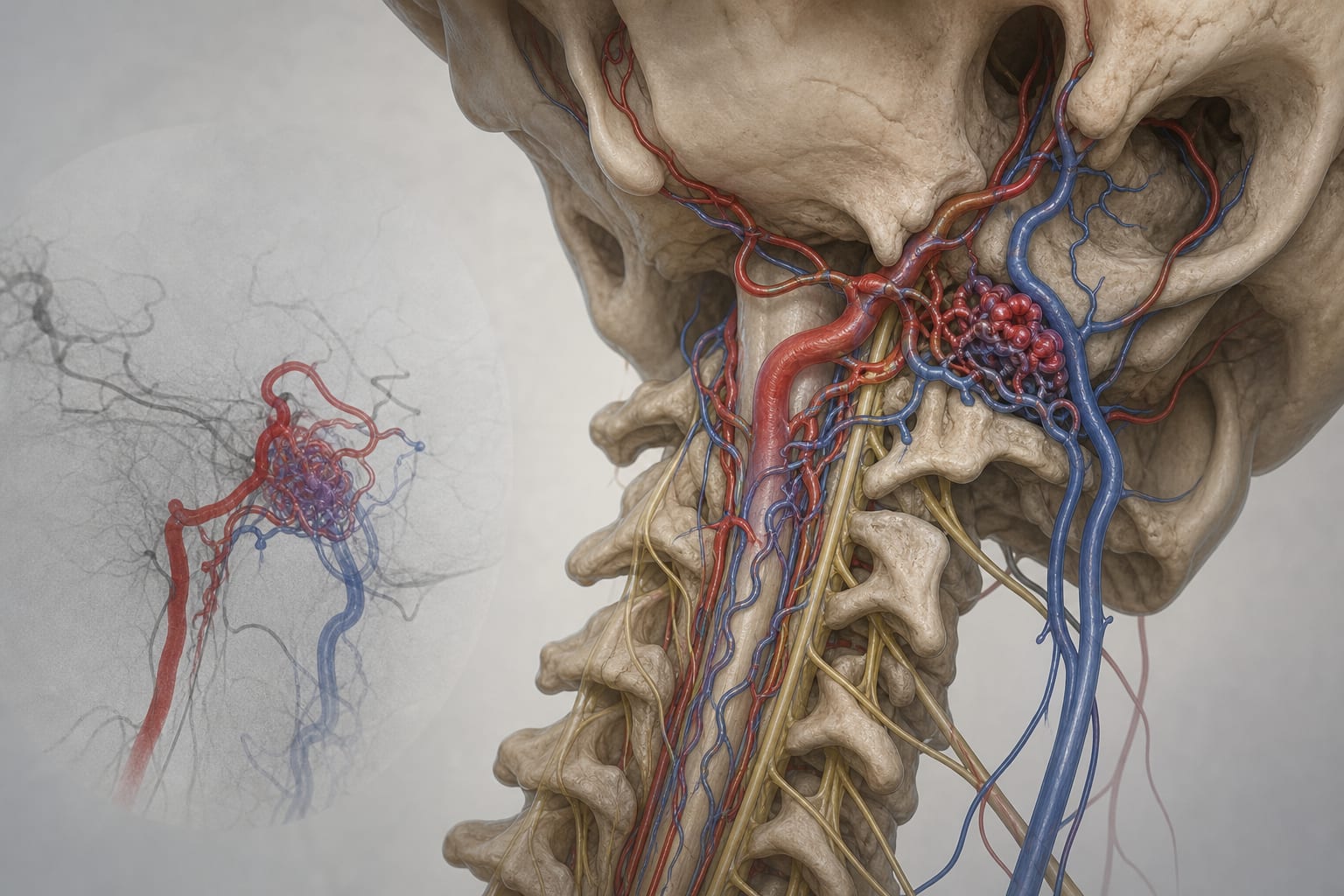
Neurofibromatosis type 1 (NF1) is a genetic disorder that can lead to various complications, including vasculopathy and intracranial aneurysms. The occurrence of NF1 alongside a ruptured distal anterior cerebral artery aneurysm and moyamoya syndrome is exceedingly rare. Understanding the management of such complex cerebrovascular conditions is crucial for improving patient outcomes.
Data Highlights
No numerical data or trial data was provided in the article.
Key Findings
A 44-year-old man with NF1 presented with a ruptured A3 segment aneurysm.
Endovascular coil embolization was chosen due to the aneurysm's location and the patient's condition.
The procedure achieved complete occlusion of the aneurysm with preservation of the parent artery.
Long-term follow-up showed durable occlusion but progression of moyamoya syndrome and a new aneurysm.
Indefinite vascular surveillance is recommended for patients with NF1-related cerebrovascular complications.
Clinical Implications
Endovascular coil embolization can be a safe and effective first-line treatment for ruptured distal ACA aneurysms in NF1 patients. Continuous monitoring is essential due to the potential for new lesions despite successful treatment of existing aneurysms.
Conclusion
This case highlights the complexities of managing cerebrovascular disease in NF1 patients and the necessity for ongoing surveillance and a multidisciplinary approach.