Cedars-Sinai Advances Research That Could Aid Early Alzheimer’s Diagnosis - Report - MDSpire
Advertisement
Cedars-Sinai Advances Research That Could Aid Early Alzheimer’s Diagnosis
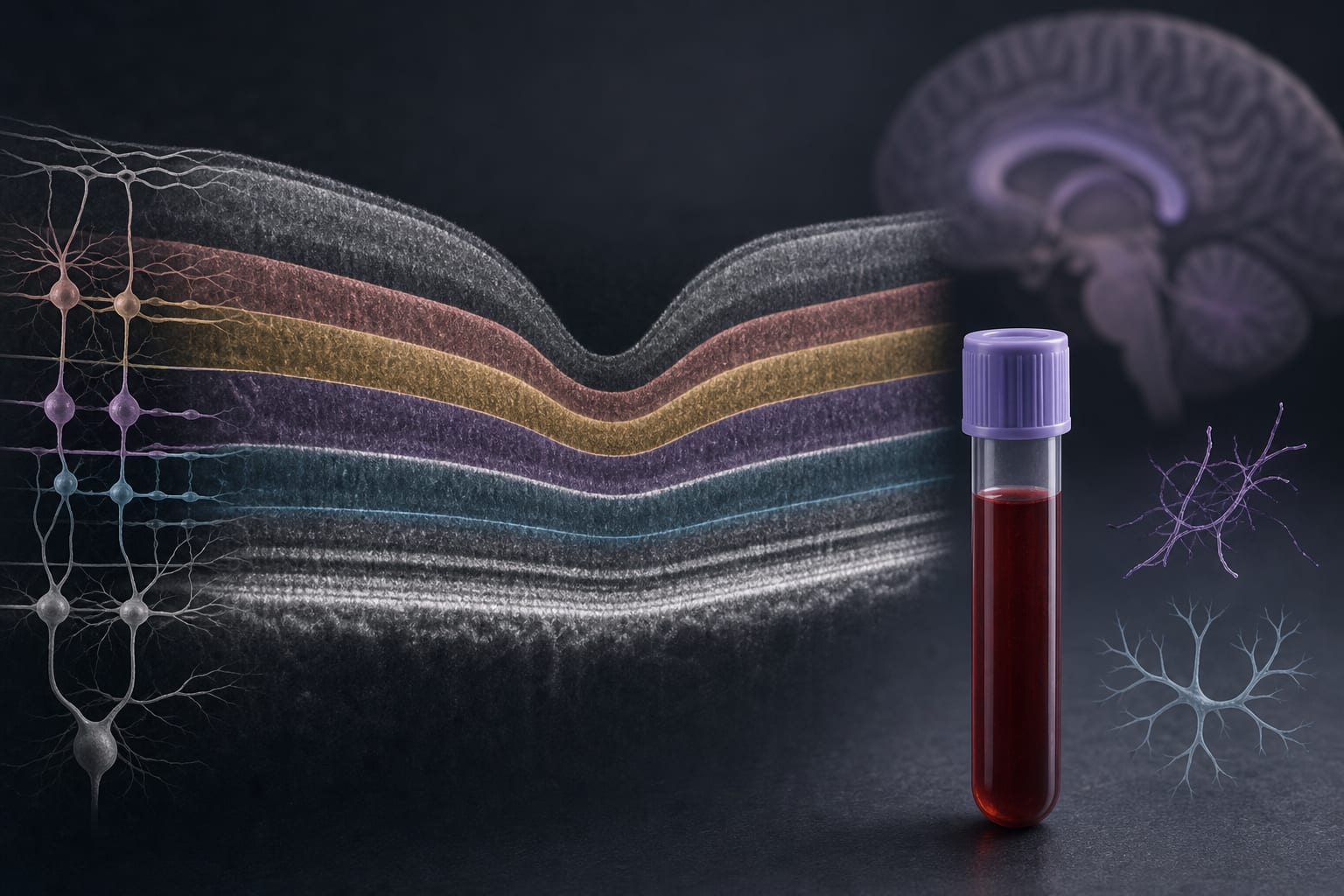
Three recently published studies from Cedars-Sinai investigators have deepened knowledge of how changes in the eye are linked to indicators of Alzheimer’s disease in the brain.
Clinical Report: Cedars-Sinai Advances Research That Could Aid Early Alzheimer’s Diagnosis
Overview
Recent studies from Cedars-Sinai have identified significant links between retinal changes and Alzheimer’s disease biomarkers, potentially enabling earlier diagnosis. The findings suggest that noninvasive eye tests could serve as effective tools for detecting Alzheimer’s disease in clinical settings.
Background
Alzheimer’s disease is a leading cause of cognitive decline, and early diagnosis is crucial for effective intervention. The retina, being part of the central nervous system, offers a unique opportunity for noninvasive imaging to detect changes associated with Alzheimer’s. Understanding the eye-brain connection may lead to innovative diagnostic methods that can enhance patient care.
Data Highlights
Study
Findings
Acta Neuropathologica
Higher levels of abnormal tau in the retina corresponded with cognitive decline.
Acta Neuropathologica Communications
Patients with mild cognitive impairment had 2-3 times more amyloid plaques near blood vessels compared to normal cognition.
Progress in Retinal and Eye Research
Identified additional retinal biomarkers including reduced blood flow and inflammation.
Key Findings
Higher levels of abnormal tau in the retina correlate with tau levels in the brain and cognitive decline.
Patients with mild cognitive impairment show significantly more amyloid plaques in the retina compared to those with normal cognition.
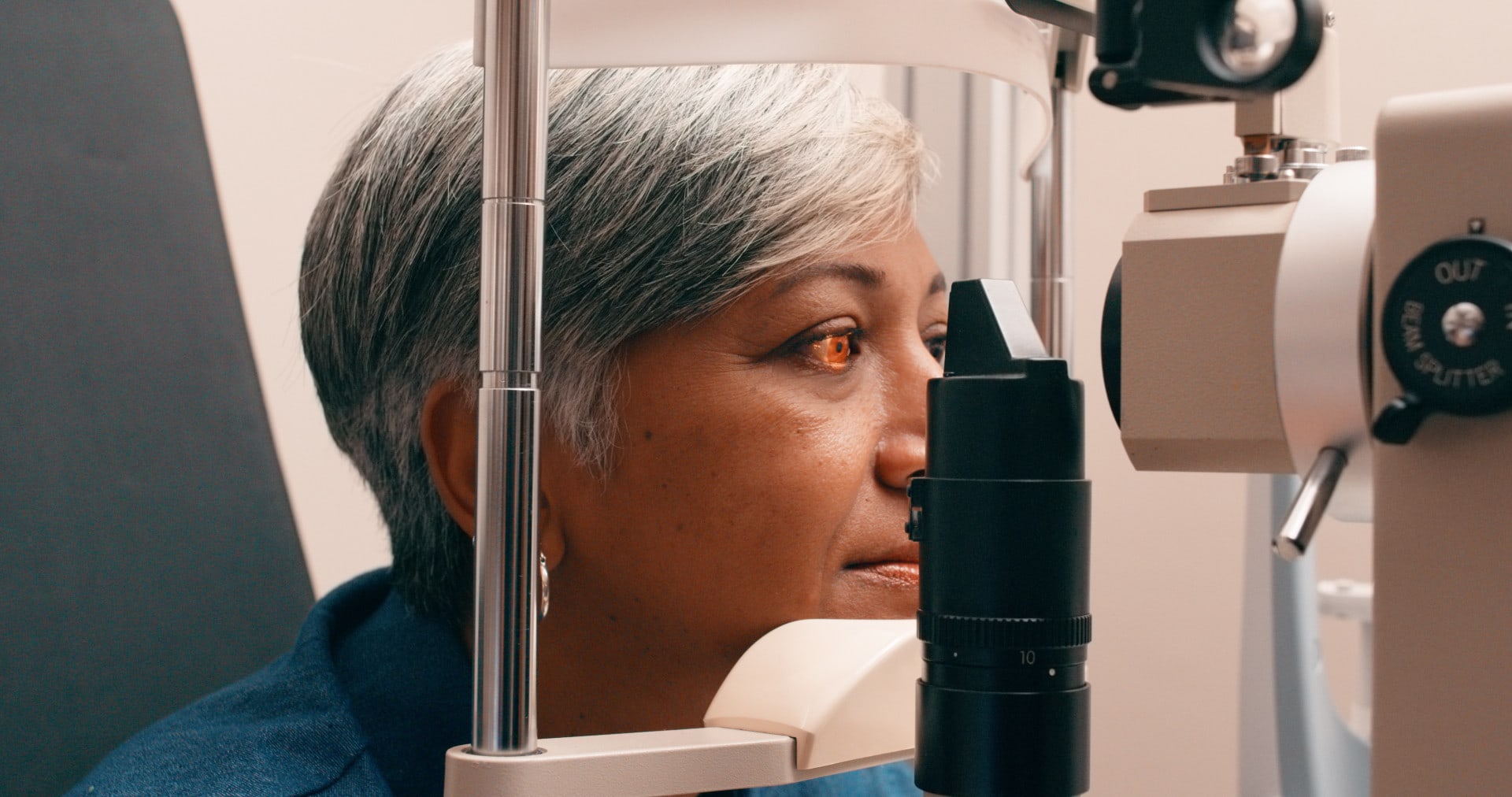
Imaging technology can visualize retinal changes noninvasively, aiding in early diagnosis.
Retinal biomarkers include reduced blood flow and inflammation, which may indicate Alzheimer’s disease progression.
Noninvasive eye tests could be integrated into primary care for early screening of Alzheimer’s disease.
Clinical Implications
The research highlights the potential for noninvasive retinal imaging to serve as a preliminary screening tool for Alzheimer’s disease in primary care settings. Clinicians may consider incorporating these assessments to identify patients at risk and facilitate timely referrals for further diagnostic testing.
Conclusion
The advancements in understanding the eye-brain connection present a promising avenue for early Alzheimer’s diagnosis. Continued research and development of imaging technologies may significantly impact patient outcomes through earlier intervention.