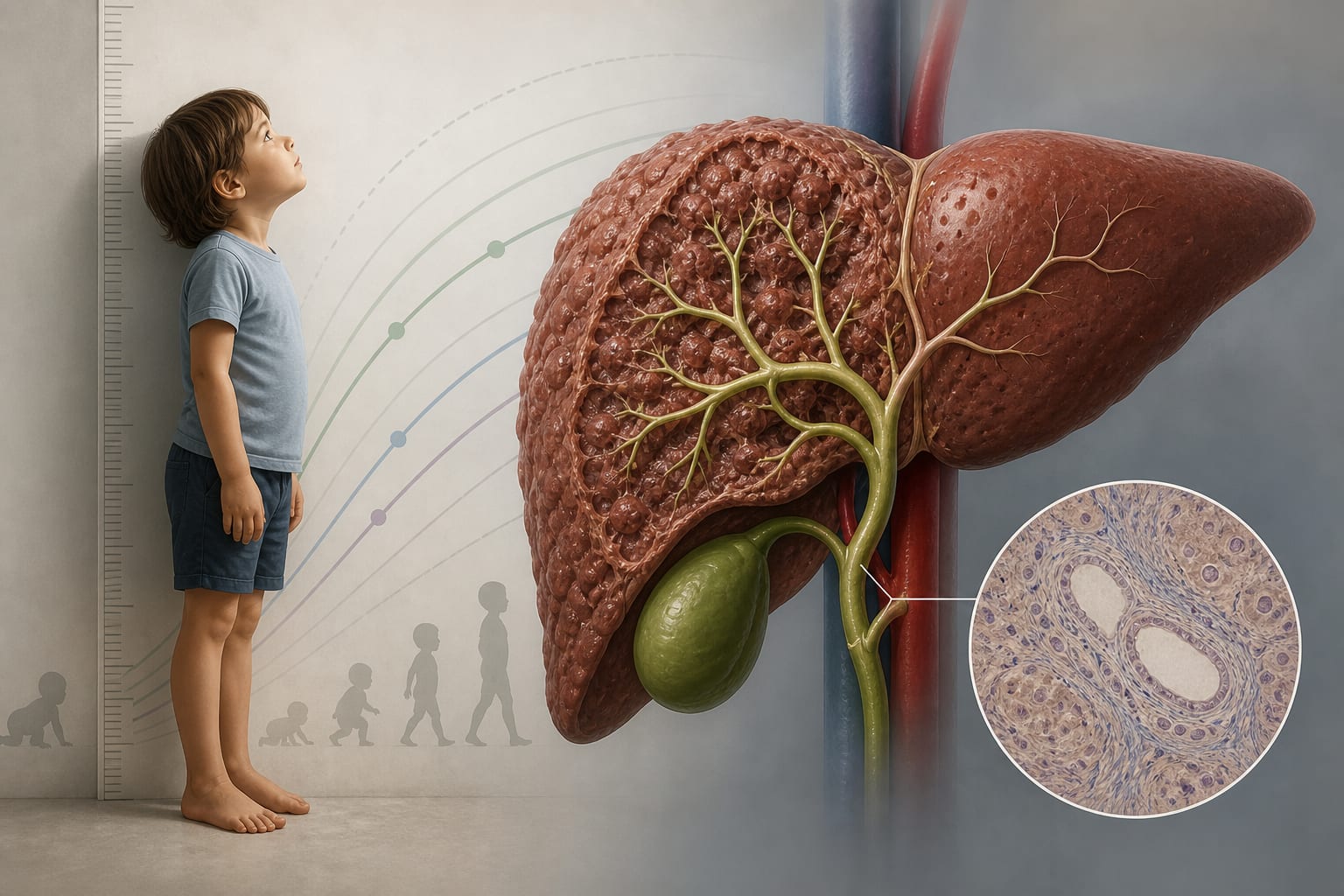
Public Health Motivation for the Eradication of Hepatitis C Virus Among Pediatric Populations
-
By
-
Kathleen B. Schwarz
-
April 17, 2026
Clinical Report: Public Health Motivation for Eradicating Hepatitis C in Children
Overview
The report highlights the urgent need for improved hepatitis C virus (HCV) testing and treatment among pediatric populations, particularly those perinatally exposed. Despite recommendations, testing rates remain low, with significant gaps in care and treatment for affected children.
Background
Hepatitis C virus (HCV) poses a significant health risk to children, with over 3.2 million affected globally. The World Health Organization aims for the eradication of viral hepatitis by 2030, yet challenges such as inadequate screening and treatment hinder progress. Addressing these issues is crucial to prevent long-term complications like liver cirrhosis and cancer in this vulnerable population.
Data Highlights
| Finding | Percentage |
|---|---|
| Perinatally exposed infants tested for HCV | 42% |
| Linked to care | 81.6% |
| Had genotype testing | 65.8% |
| Received HCV treatment | Less than 29% |
Key Findings
- 42% of perinatally exposed infants were tested for HCV.
- 81.6% of children born with confirmed perinatal HCV were linked to care.
- Only 29% of HCV-infected children received treatment by the end of the study.
- Recommendations for HCV testing in high-risk children are not being adequately followed.
- Direct-acting antiviral therapy is FDA-approved for young children and is both effective and safe.
Clinical Implications
Healthcare providers must prioritize HCV testing in high-risk pediatric populations, particularly those with perinatal exposure. Enhanced screening and treatment protocols are essential to improve outcomes and prevent severe liver disease in affected children.
Conclusion
The findings underscore the critical need for improved HCV testing and treatment strategies in pediatric populations to achieve better health outcomes and align with global eradication goals.
Related Resources & Content
- Epstein et al, Pediatrics, 2023 -- Hepatitis C Virus Testing in Perinatally Exposed Children
- Curtis et al, Open Forum Infectious Diseases, 2023 -- Innovative Care Approaches for Hepatitis C
- The New Gastroenterologist — Unfulfilled Potential of a Promising Hepatitis C Treatment
- Open Forum Infectious Diseases — Addressing Racial and Sociodemographic Inequities in Hepatitis C Management at an Urban Academic Medical Institution, 2018-2023
- Healthcare Providers Can Effectively Treat Hepatitis C in Children: A Majority Remain Untreated
- Unfulfilled Potential of a Promising Hepatitis C Treatment
Based on findings from:
Epidemiologic Incentive to Eliminate Hepatitis C Virus in More Children
Kathleen B. Schwarz. Jama Network Open, 2026.
https://jamanetwork.com/journals/jamanetworkopen/fullarticle/2847879
This content is an AI-generated, fully rewritten summary based on a published scholarly article. It does not reproduce the original text and is not a substitute for the original publication. Readers are encouraged to consult the source for full context, data, and methodology.