The efficacy and safety of Femoston combined with Baoqing granules for kidney Yin deficiency in perimenopausal women: a randomized, double-blind, placebo-controlled trial - Report - MDSpire
Advertisement
The efficacy and safety of Femoston combined with Baoqing granules for kidney Yin deficiency in perimenopausal women: a randomized, double-blind, placebo-controlled trial
Safety and Efficacy of Femoston Plus Baoqing Granules in Perimenopausal Kidney Yin Deficiency
Overview
This randomized, double-blind, placebo-controlled study evaluated Femoston combined with Baoqing granules (BQG) versus Femoston plus placebo in perimenopausal women with kidney Yin deficiency. The combination therapy showed greater short-term improvements in menopausal symptoms, quality of life, and sleep quality, with good tolerability and no significant safety concerns.
Background
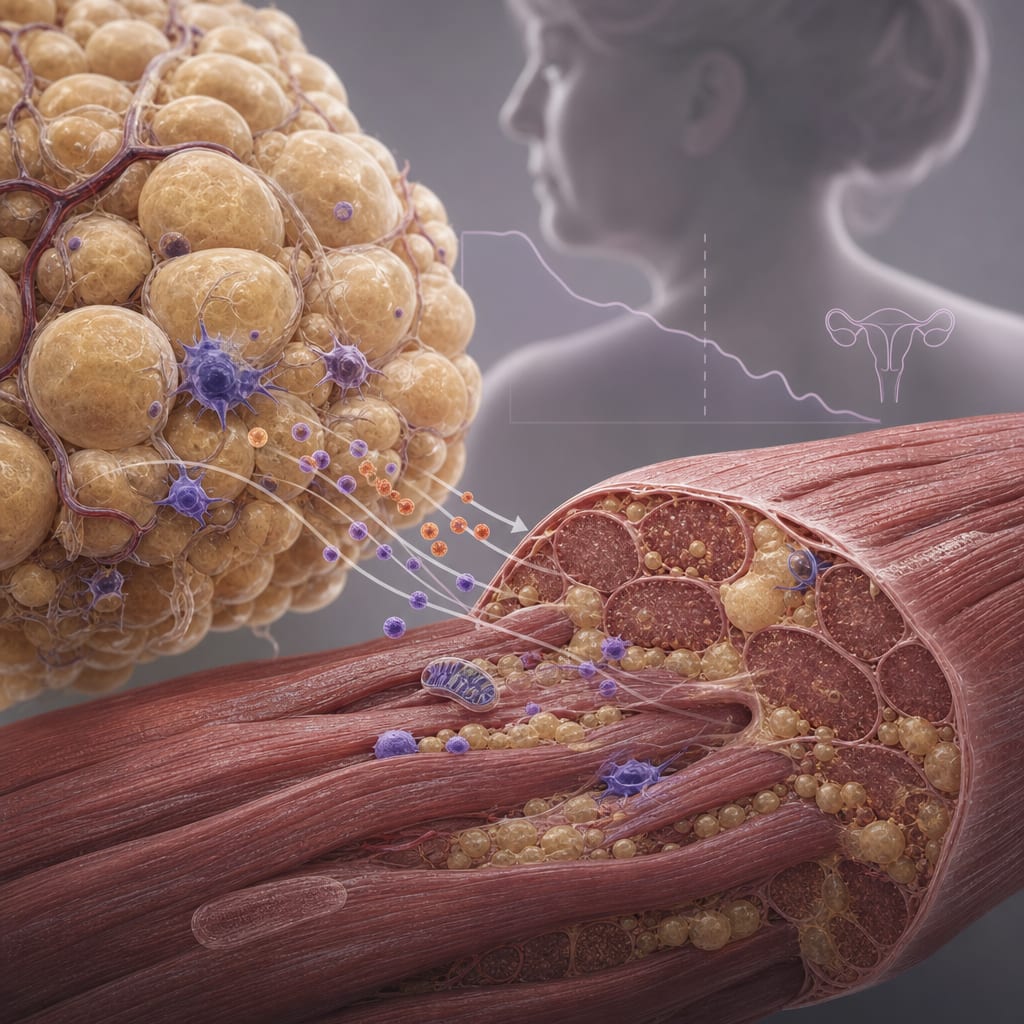
Perimenopause is characterized by fluctuating ovarian function leading to vasomotor, psychological, and sleep disturbances that impair quality of life. Hormone replacement therapy (HRT), such as Femoston, alleviates many symptoms but may not fully address residual issues and carries safety concerns. Traditional Chinese medicine identifies kidney Yin deficiency as a key syndrome in perimenopause, and Baoqing granules, a modified herbal formula, have shown promise in targeting this deficiency. Combining BQG with Femoston may offer a complementary approach to improve multidimensional symptoms safely.
Data Highlights
Outcome Measure
Femoston + Placebo
Femoston + BQG
Significance
Modified Kupperman Menopausal Index (KMI)
Improved from baseline
Greater improvement, sustained at week 8
Significant
TCM Syndrome Scores
Improved
Greater improvement, sustained
Significant
MENQOL (Quality of Life)
Improved
Greater improvement
Significant
PSQI (Sleep Quality)
Improved
Greater improvement
Significant
SAS and SDS (Anxiety and Depression)
Improved
Significant improvement at follow-up
Significant at week 8
Serum Hormones and Lipids
No significant difference
No overall difference; subgroup: higher estradiol, lower FSH in postmenopausal women
Exploratory
Safety (Liver and Kidney Function)
Normal
Normal
Acceptable
Adverse Events
None reported
One mild event
Minimal
Key Findings
Femoston combined with BQG produced significantly greater short-term improvements in menopausal symptom severity (Modified KMI) compared to Femoston alone.
TCM syndrome scores and menopause-specific quality of life (MENQOL) showed enhanced improvement with BQG adjunct therapy.
Sleep quality (PSQI) improved more markedly and sustained in the BQG group.
Anxiety and depression scores (SAS, SDS) showed significant improvement at follow-up only in the BQG group.
No significant overall differences in serum sex hormones and lipids were observed, though subgroup analysis suggested hormonal modulation in postmenopausal women receiving BQG.
The combination therapy was well tolerated with normal liver and kidney function tests and only one mild adverse event reported.
Clinical Implications
Adding Baoqing granules to Femoston therapy may provide enhanced relief of multidimensional perimenopausal symptoms, including vasomotor, psychological, and sleep disturbances, without compromising safety. This complementary approach could be considered for perimenopausal women with kidney Yin deficiency who have residual symptoms despite standard HRT. Longer-term studies are warranted to confirm sustained benefits and safety.
Conclusion
The study supports the adjunctive use of Baoqing granules with Femoston to achieve superior short-term symptom control and quality of life improvements in perimenopausal women with kidney Yin deficiency, with an acceptable safety profile. Further research is needed to establish long-term efficacy and safety.