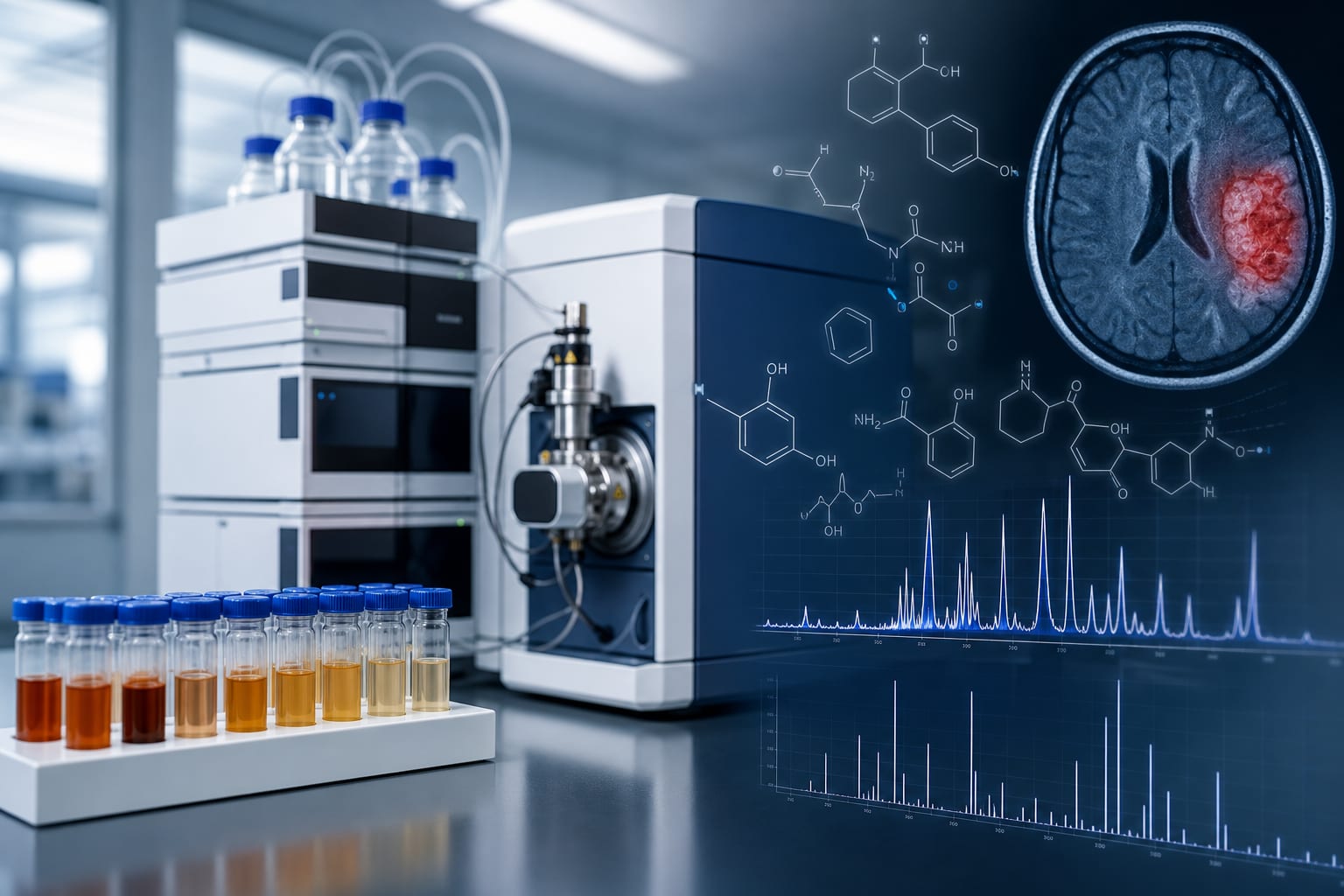
Clinical Report: Serum Metabolic Profiles Identified in Intracerebral Hemorrhage Patients Through LC–MS Analysis
Overview
This study characterizes the serum metabolic profile of patients with intracerebral hemorrhage (ICH). A total of 3,178 metabolites were identified, with significant differences observed between ICH patients and controls.
Background
Intracerebral hemorrhage (ICH) is a critical neurological condition with high mortality and disability rates, often leading to severe neurological impairment. Early detection and assessment are essential for effective clinical intervention, yet conventional imaging techniques may not adequately identify early ICH.
Data Highlights
Metabolite Class
Percentage in ICH
Benzene and substituted derivatives
15.63%
Organic acids
12.47%
Amino acids and their metabolites
12.41%
Heterocyclic compounds
12.07%
Key Findings
3,178 metabolites were identified in the serum of ICH patients.
Significant separation between ICH and control groups was observed (p < 0.01).
Increased levels of benzene derivatives and organic acids were noted in ICH patients.
Decreased levels of amino acids and lipid metabolites were found in ICH patients.
ROC analysis indicated excellent diagnostic performance for several metabolites, including Dibutyl phthalate (AUC = 0.980).
KEGG pathway enrichment revealed significant metabolic pathways involved in ICH.
Clinical Implications
The distinct metabolic alterations identified in ICH patients may provide insights into the underlying mechanisms of the disease.
Conclusion
This study highlights the serum metabolomic profiling in understanding ICH.