Clinical Report: Conservative Treatment Approaches for a Rare Infectious Aneurysm of the Basilar Artery
Overview
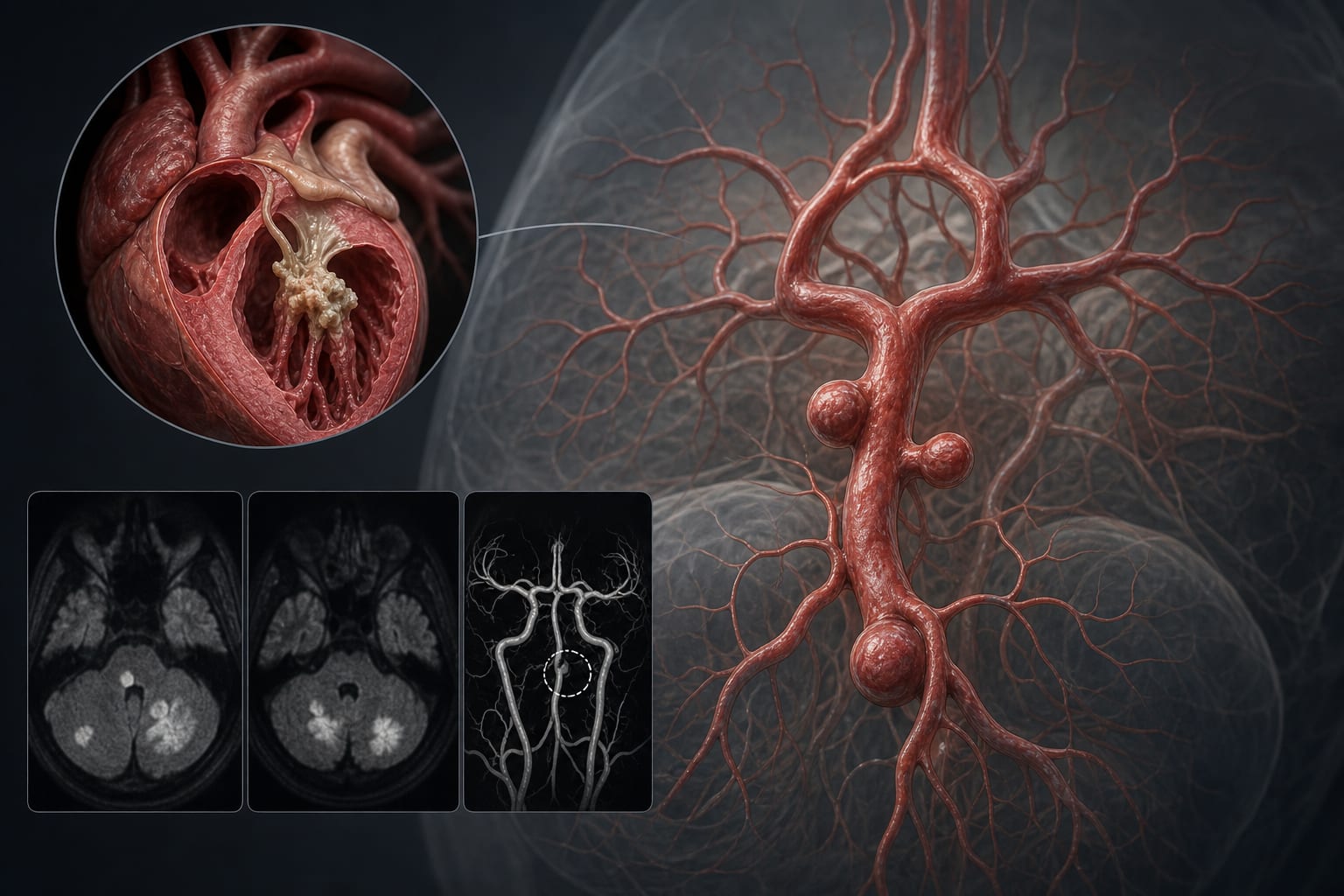
This report presents a case of a 30-year-old male with an unruptured infectious basilar artery aneurysm successfully treated with conservative medical therapy. Follow-up imaging demonstrated complete resolution of the aneurysm after eight months, highlighting the potential for non-interventional management in select cases.
Background
Infectious intracranial aneurysms (IIAs) are rare but serious complications of systemic infections, often linked to infective endocarditis. They carry a high risk of rupture and poor prognosis, making timely diagnosis and management critical. This case underscores the need for individualized treatment strategies, particularly for unruptured aneurysms.
Data Highlights
No numerical data available in the article.
Key Findings
A 30-year-old male presented with symptoms of cerebral infarction and was diagnosed with multiple basilar artery aneurysms.
Conservative treatment with aggressive anti-infective therapy led to symptom resolution and aneurysm stability.
Follow-up imaging at eight months showed complete resolution of the aneurysm without rupture.
Infective endocarditis was identified as a significant predisposing factor for the aneurysm.
Cerebrovascular imaging is recommended for patients with systemic infection and neurological symptoms.
Clinical Implications
This case suggests that conservative management may be a viable option for unruptured infectious basilar artery aneurysms, particularly in patients who decline surgical intervention. Clinicians should consider close monitoring and tailored pharmacological therapy in similar cases.
Conclusion
The successful conservative management of this rare infectious aneurysm emphasizes the importance of individualized treatment approaches. Further studies are needed to establish guidelines for managing unruptured infectious aneurysms.
The nurse practitioner profession claims the No. 1 spot across three categories in the U.S. News & World Report 2026 Best Jobs rankings for the third consecutive year.