Clinical Report: Endocrine Side Effects of Immune Checkpoint Inhibitors in CRC
Overview
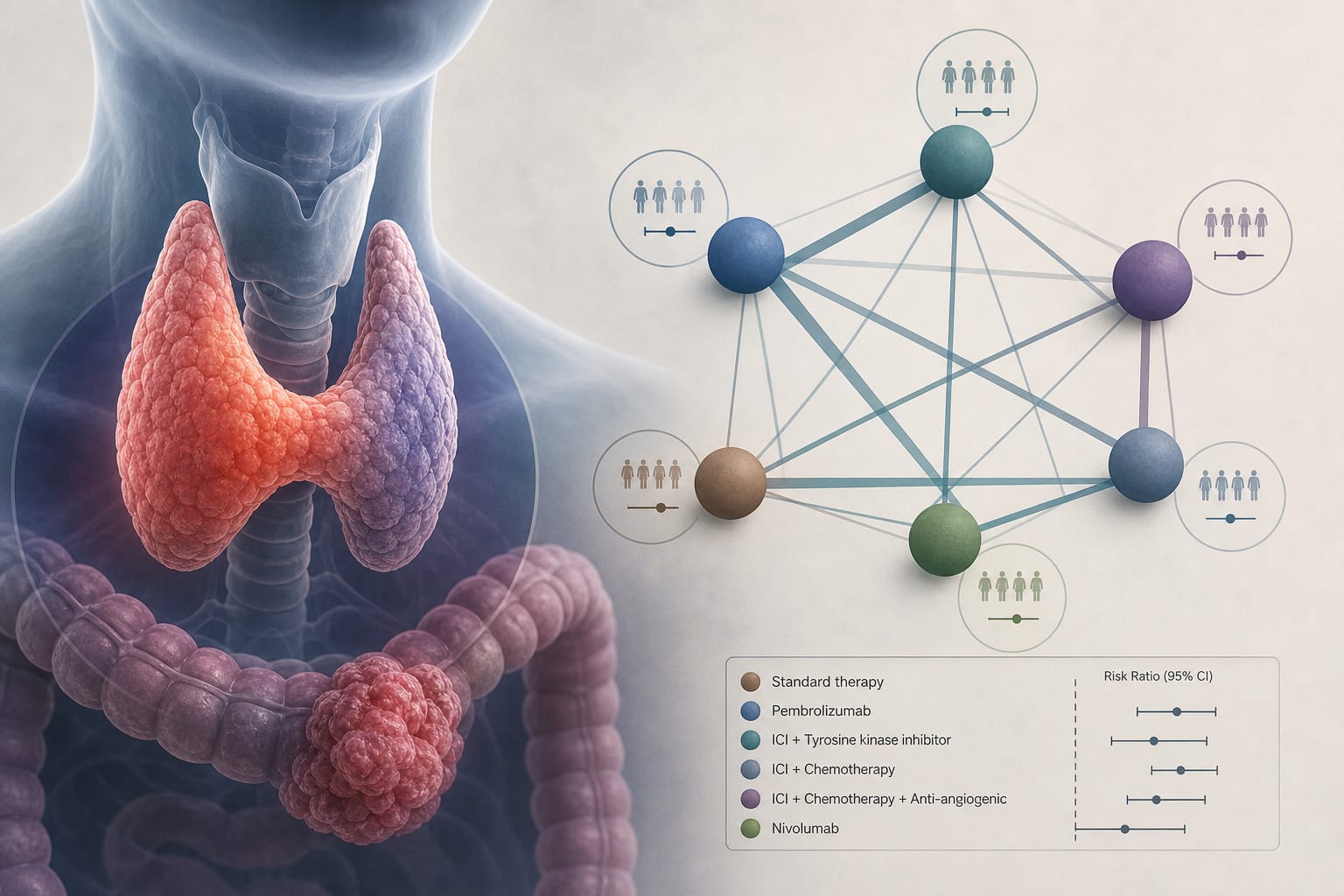
This network meta-analysis evaluates the risk of endocrine adverse events associated with immune checkpoint inhibitors (ICIs) in colorectal cancer (CRC). ICI-based regimens are associated with an increased risk of thyroid-related toxicities, particularly hypothyroidism and hyperthyroidism, compared to conventional therapies.
Background
Colorectal cancer (CRC) is a leading cause of cancer-related mortality globally. Immune checkpoint inhibitors (ICIs) have emerged as a therapy for advanced CRC, particularly in patients with high microsatellite instability. The potential for endocrine adverse events complicates their use.
Data Highlights
No numerical data available in the provided source.
Key Findings
ICI-based regimens are associated with a higher burden of thyroid-related toxicity compared to conventional therapy.
Pembrolizumab and ICI combined with tyrosine kinase inhibitors significantly increase the risk of hypothyroidism.
Hyperthyroidism risk is significantly elevated with ICI combined with tyrosine kinase inhibitors and ICI plus chemotherapy plus an anti-angiogenic antibody.
Grade 1–2 adverse events are consistently increased across ICI-based treatments.
Effect estimates for thyroiditis, diabetes mellitus, and adrenal insufficiency were imprecise.
Endocrine monitoring is important for patients receiving ICI therapy due to the risk of endocrine dysfunction.
Clinical Implications
Clinicians should be aware of the risk of endocrine adverse events associated with ICI therapies in CRC patients. Monitoring of thyroid function and other endocrine parameters is important during the initial months of treatment.
Conclusion
The findings indicate the need for awareness and monitoring of endocrine side effects in patients undergoing ICI therapy for colorectal cancer.