Discrepancies between fall risk and fall awareness in hospitalized elderly patients with cataracts: a cross-sectional study - Report - MDSpire

Discrepancies between fall risk and fall awareness in hospitalized elderly patients with cataracts: a cross-sectional study

  • By

  • Jinxiu Yao

  • Danling Fang

  • Pei Xu

  • Shijie Liu

  • Chunxiu Zhou

  • Lifei Su

  • Danhong Kang

  • Xiaochen Su

  • Lili Ma

  • Minling Mo

  • June 10, 2026

  • 0 min

Share

Clinical Report: Variations in Fall Risk Perception Among Hospitalized Elderly Patients

Overview

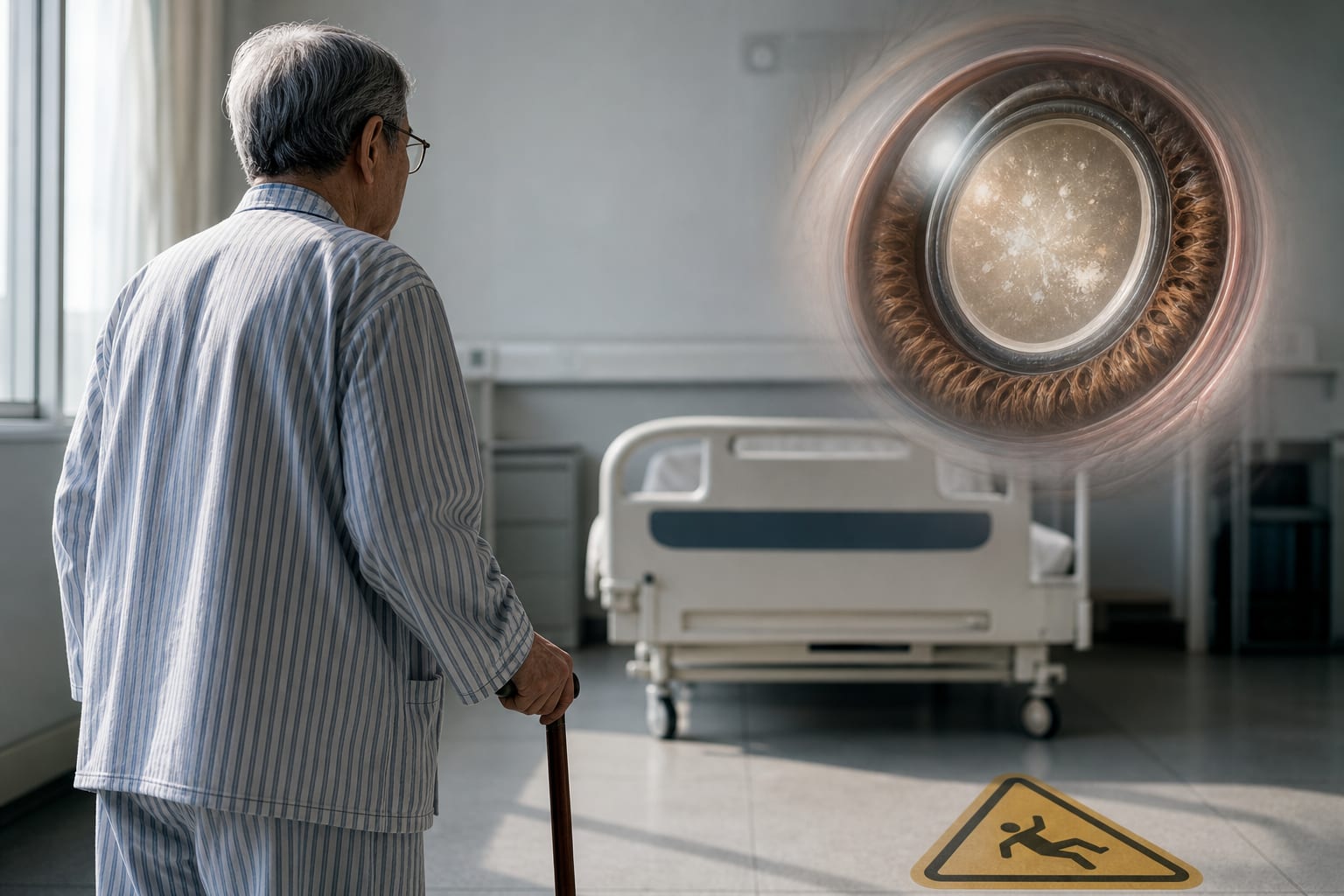
This study investigates the discrepancies between fall risk and awareness among hospitalized elderly cataract patients. Findings reveal a moderate level of fall risk and awareness, with significant mismatches in perception, particularly among high-risk individuals.

Background

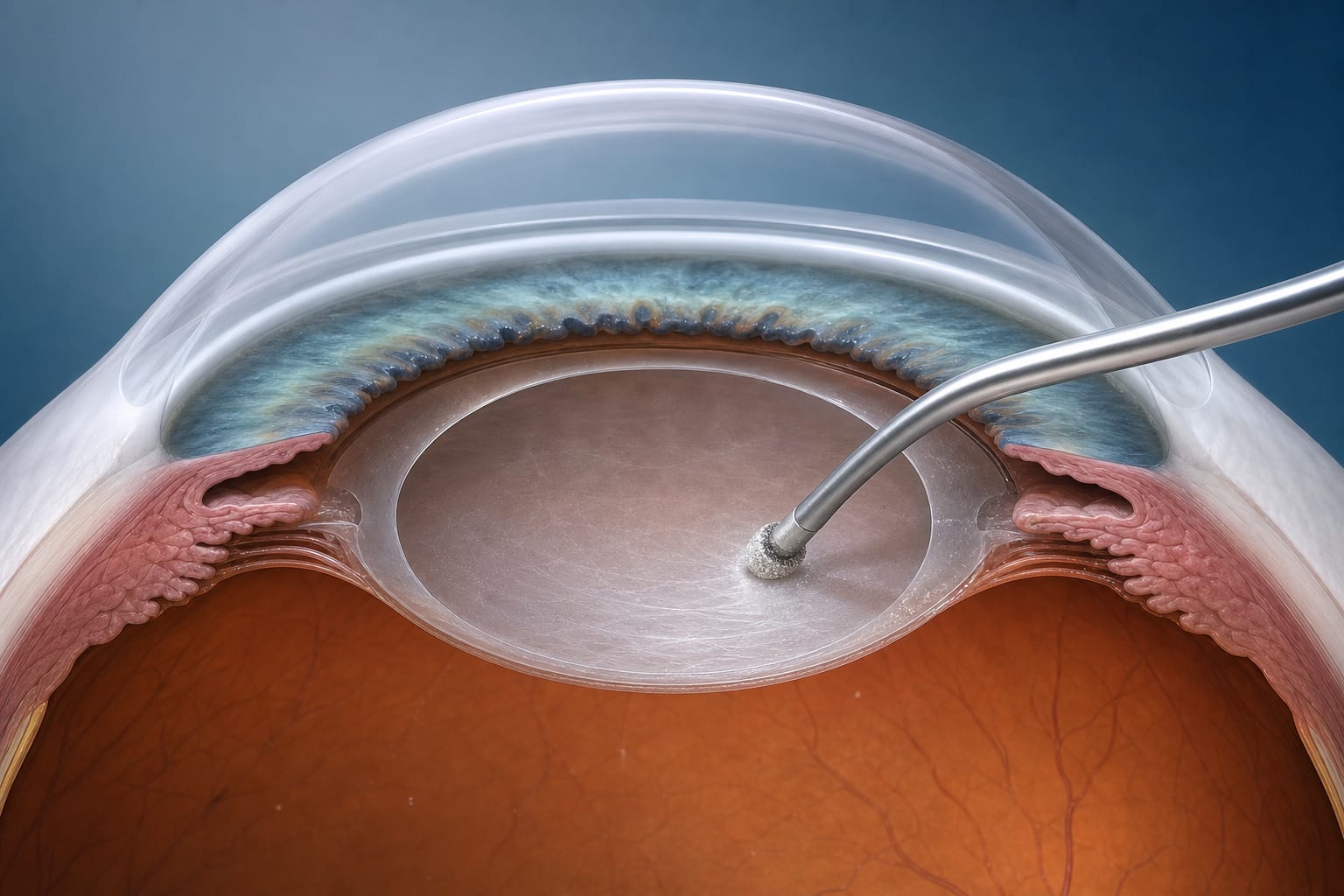
Falls are a prevalent concern among the elderly, significantly impacting health outcomes and quality of life. Cataracts, a common visual impairment in this population, exacerbate fall risk due to impaired balance and environmental awareness. Understanding the relationship between fall risk and patient awareness is crucial for developing effective prevention strategies.

Data Highlights

GroupFall Awareness ScoreInsufficient Awareness (%)Excessive Awareness (%)
High RiskModerate62.50N/A
Medium RiskModerate35.2027.96
Low RiskModerateN/A67.58

Key Findings

  • The average fall risk score among patients was 6.56 ± 3.44, indicating moderate risk.
  • Fall awareness scores averaged 54.45 ± 11.27, also reflecting moderate awareness.
  • 62.50% of high-risk patients had insufficient awareness of their fall risk.
  • 35.20% of medium-risk patients exhibited insufficient awareness, while 27.96% showed excessive awareness.
  • 67.58% of low-risk patients displayed excessive awareness of their fall risk.
  • Factors influencing fall risk included age, marital status, education level, and sleep quality.

Clinical Implications

Healthcare providers should incorporate fall awareness assessments into routine evaluations for elderly cataract patients. This approach can help tailor individualized fall prevention strategies, addressing both objective risk factors and subjective perceptions of risk.

Conclusion

The study highlights a critical gap between actual fall risk and patient awareness, underscoring the need for comprehensive fall prevention strategies that consider both objective assessments and subjective perceptions.
Related Resources & Content

  1. Ye Luo et al., 2025 -- Perception of fall risk in hospitalized patients and associated factors
  2. BMC Geriatrics -- Risk prediction models for falls in hospitalized older patients: a systematic review and meta-analysis
  3. CDC -- Older Adult Fall Prevention
  4. NICE NG249 -- Falls: assessment and prevention in older people
  5. The Journal of Clinical Endocrinology & Metabolism — Links Between Balance Assessments and Fracture Risk in Individuals Aged 70 Years
  6. Optometric Management — What Influences Patients Fear of Cataract Surgery
  7. Ophthalmology Management — Gender Bias in Cataract Surgery
  8. Drugs - Real World Outcomes — Examining Inappropriate Use of Bladder Antimuscarinics in Dementia Patients: Findings from a Retrospective Cohort Analysis
  9. Effect of Cataract Surgery on Frequency of Falls among Older Persons
  10. Understanding older adults' perceptions of hospital falls
  11. Inpatient Care | STEADI - Older Adult Fall Prevention | CDC
  12. NG249 Falls: assessment and prevention in older people and in people 50 and over at higher risk: Evidence review F2 29/04/2025
  13. Risk prediction models for falls in hospitalized older patients: a systematic review and meta-analysis | BMC Geriatrics | Springer Nature Link
  14. The role of blue light-filtering and premium intraocular lenses on postoperative falls: A nationwide target trial emulation in Taiwan - PubMed
  15. Perception of fall risk in hospitalized patients and associated factors: A cross-sectional study and path analysis - Ye Luo, Yuanfei Liu, Suxian Tan, Tian Xu, Guanjun Bao, 2025
  16. Longitudinal associations of psychosocial factors and fear of falling in older adults: a systematic review | BMC Geriatrics | Springer Nature Link

Original Source(s)

Related Content