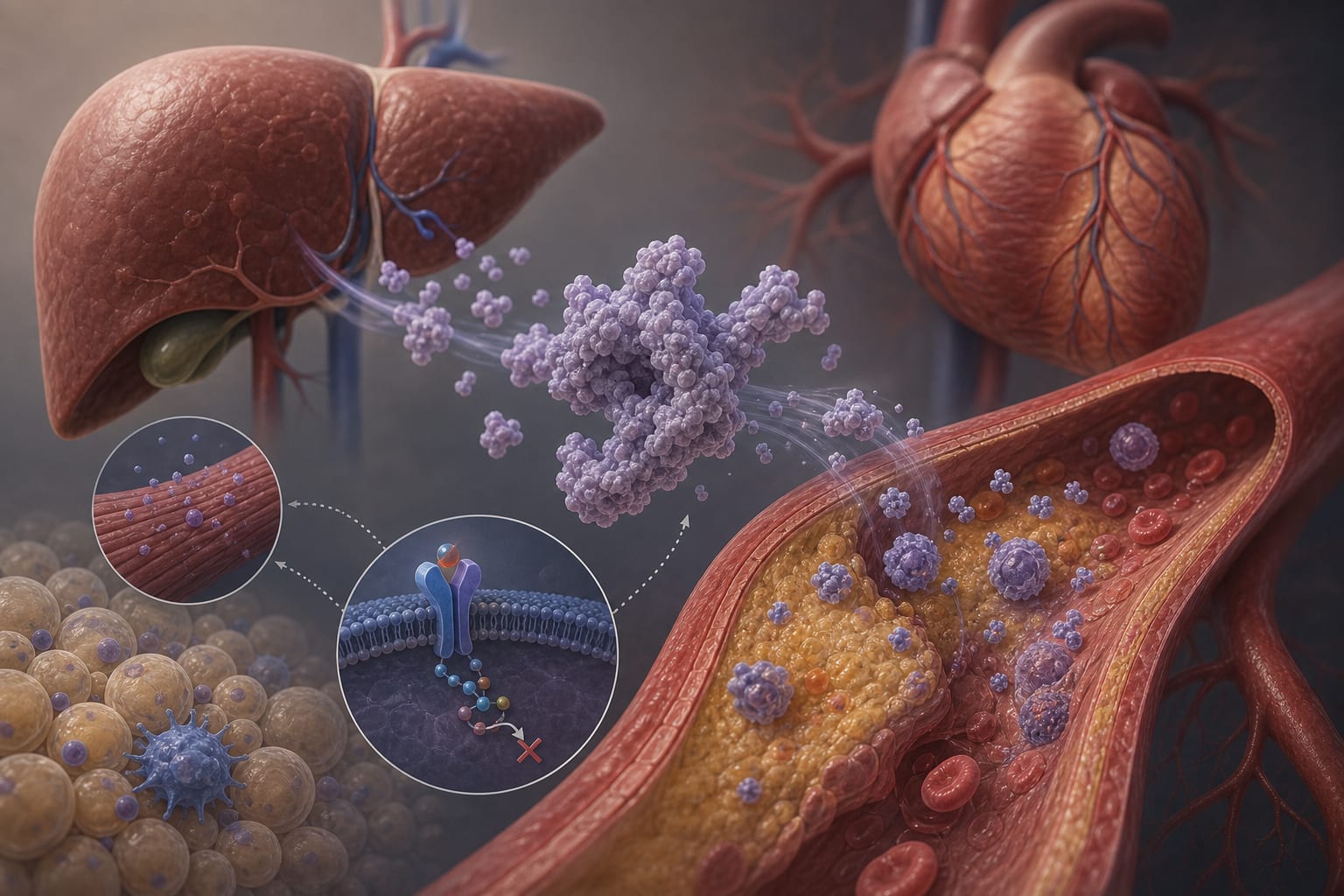
Clinical Report: Metabolic Profiling of Plasma Identifies Distinct Metabolic Variations
Overview
This study identifies significant metabolic differences in plasma profiles among patients with chronic coronary syndrome (CCS), coronary artery calcification (CAC), and healthy controls. Notably, oleic acid and arachidonic acid were highlighted as metabolites that differentiate CAC patients from healthy individuals.
Background
Coronary artery calcification (CAC) is a critical marker of coronary atherosclerotic heart disease, particularly in patients with chronic coronary syndrome (CCS). Understanding the metabolic variations associated with these conditions can provide insights into the metabolic alterations associated with CCS and CAC.
Data Highlights
Group
Significant Findings
CAC
Increased serum creatinine and fasting glucose levels
CCS
Higher blood urea nitrogen levels compared to controls
Metabolites
Oleic acid and arachidonic acid contribute to differentiation between CAC and healthy controls
Key Findings
Serum creatinine and fasting glucose levels were significantly increased in the CAC group.
Blood urea nitrogen levels were significantly higher in both the CAC and CCS groups compared to healthy controls.
Significant metabolic differences were observed between the CCS and CAC groups.
Oleic acid and arachidonic acid were identified as key metabolites differentiating CAC patients from healthy controls.
Identified metabolites may provide insights into metabolic alterations associated with CCS and CAC.
Clinical Implications
The identification of specific plasma metabolites associated with CAC and CCS may aid in the early detection and management of these conditions.
Conclusion
The study identifies distinct metabolic variations present in patients with CAC and CCS.