Correction: Prevalence and risk factors for postextubation dysphagia in ICU patients with orotracheal intubation: a systematic review and meta-analysis - Report - MDSpire
Advertisement
Correction: Prevalence and risk factors for postextubation dysphagia in ICU patients with orotracheal intubation: a systematic review and meta-analysis
Correction: A Systematic Review and Meta-Analysis on Postextubation Dysphagia
Overview
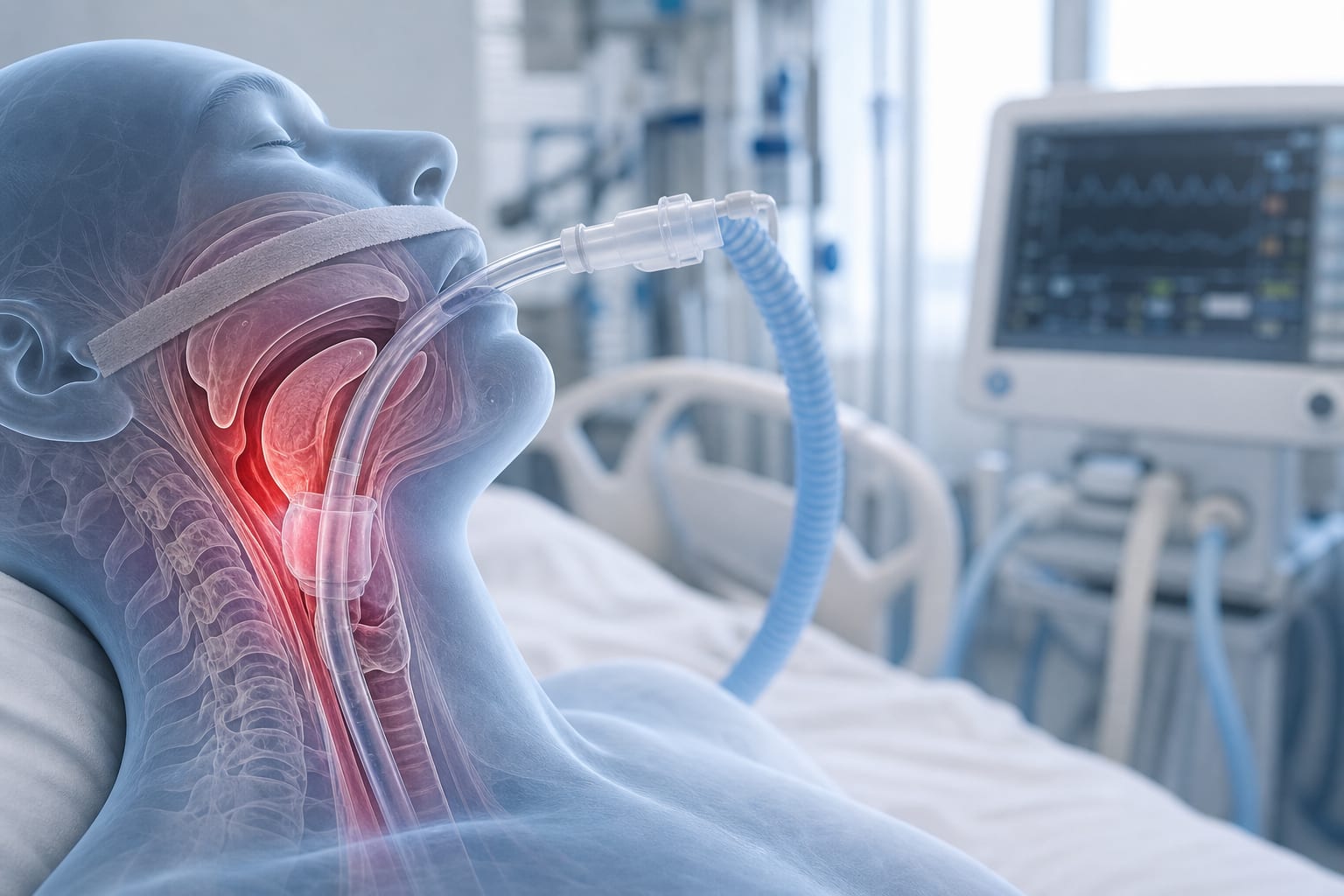
This correction addresses the prevalence and risk factors associated with postextubation dysphagia (PED) in ICU patients undergoing orotracheal intubation.
Background
Postextubation dysphagia is a common complication in ICU patients, with data indicating that approximately 41% of these patients may develop this condition. It is associated with serious outcomes such as aspiration and malnutrition.
Data Highlights
No numerical data is provided in the correction article.
Key Findings
41% of ICU patients developed postextubation dysphagia.
Older age and higher illness severity are significant risk factors for PED.
Longer intubation duration increases the likelihood of developing dysphagia.
Neurological disorders and emergency admissions are associated with higher odds of PED.
Gastric tube retention is a notable risk factor for postextubation dysphagia.
Clinical Implications
Healthcare professionals should be vigilant in screening for postextubation dysphagia in ICU patients, especially those with identified risk factors. Early assessment and intervention may mitigate the risks associated with this condition.
Conclusion
The correction emphasizes the importance of recognizing and addressing postextubation dysphagia in ICU patients to improve clinical outcomes. Further research and standardized protocols may enhance patient care in this area.
Federal prosecutors allege that a Florida physician and research staff fabricated clinical trial records that were submitted into database systems used to evaluate investigational drugs.