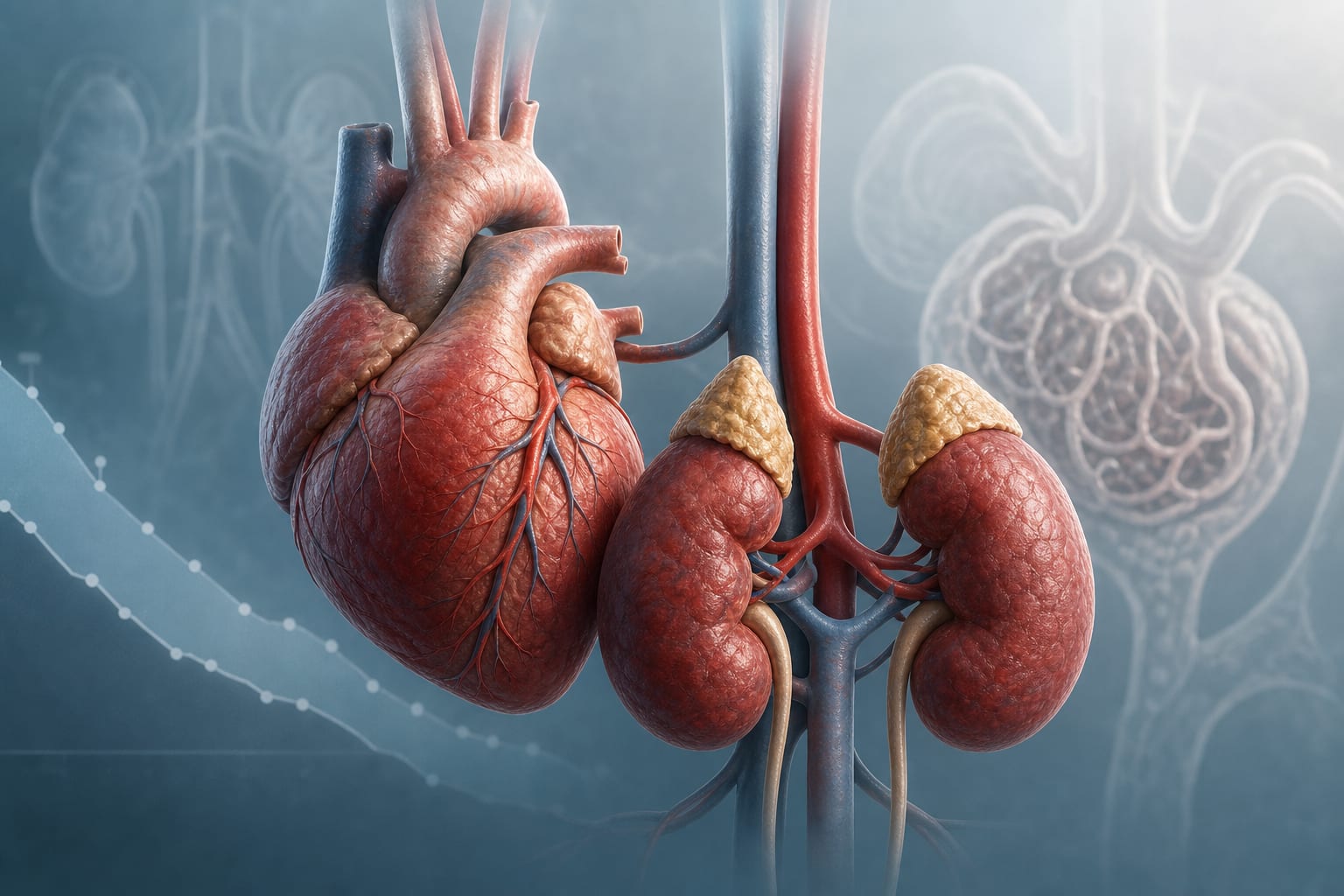
Clinical Report: Beta-Blockers in Post-MI Care with Preserved LV Function
Overview
Recent evidence supports the continued use of beta-blockers (BB) after myocardial infarction (MI) in patients with preserved left ventricular (LV) function. A large pooled analysis showed an 11% reduction in all-cause mortality with BB use, corroborated by randomized trial data indicating harm from BB interruption.
Background
Beta-blockers have long been established for secondary prevention after MI, especially in patients with reduced ejection fraction (EF). However, their benefit in patients with preserved LV function (>40% EF) has been debated due to advances in reperfusion and adjunctive therapies. Recent trials and meta-analyses have revisited this question, examining BB effects on mortality and cardiovascular outcomes in this lower-risk population.
Data Highlights
Study
Population
Sample Size
Outcome
Effect Size
Chi et al. Meta-analysis
Post-MI, EF >40%, no HF
~290,000
All-cause mortality
HR 0.89 (95% CI 0.81–0.97)
ABYSS Trial
Post-MI, EF >40%, BB continuation vs. interruption
3,698
Primary composite endpoint
HR 1.16 (95% CI 1.01–1.33) increased risk with BB interruption
REDUCE-MI Trial
Low-risk post-MI, EF >50%
Underpowered
Death or MI
No significant difference
Key Findings
Beta-blocker use post-MI with preserved LV function is associated with an 11% reduction in all-cause mortality (HR 0.89).
The mortality benefit is more pronounced in patients with mildly reduced EF (40–50%) (HR 0.79).
The ABYSS randomized trial showed increased risk of adverse outcomes with BB interruption years after MI (HR 1.16).
Randomized controlled trials in low-risk populations have not demonstrated survival benefit, possibly due to smaller sample sizes and lower event rates.
BB continuation lowers blood pressure (~4 mmHg) and resting heart rate (~10 bpm), both linked to reduced cardiovascular risk.
BB tolerance is generally excellent, with low cross-over rates in clinical trials.
Clinical Implications
Clinicians should consider continuing beta-blocker therapy in post-MI patients with preserved LV function who have tolerated the medication for several months or years. Discontinuation may increase the risk of rehospitalization and adverse cardiovascular events. Decisions should be individualized, but current evidence supports BB use as part of secondary prevention in this population.
Conclusion
Beta-blockers remain a valuable therapy after MI in patients with preserved LV function, reducing mortality and cardiovascular events. Until further data emerge, continuation of BB therapy is advisable to optimize long-term outcomes.