The intratumoral microbiome: a review of the tumor microenvironment’s fourth axis shaping anti-tumor immunity, cancer prognosis, and therapeutic response - Report - MDSpire
Clinical Report: The Role of the Intratumoral Microbiome in Modulating Anti-Tumor Immunity
Overview
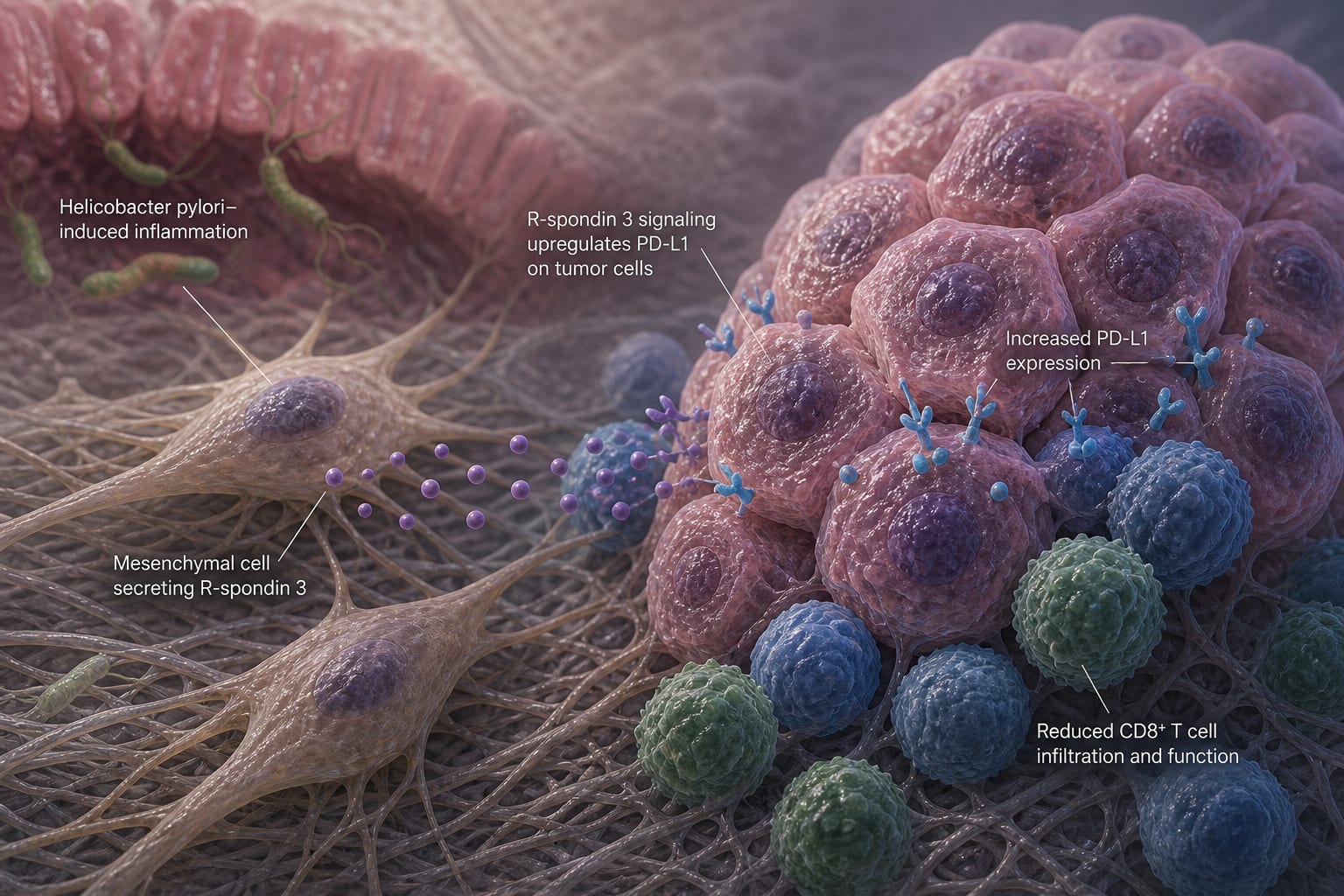
The intratumoral microbiome is emerging as a significant factor influencing anti-tumor immunity and treatment efficacy within the tumor microenvironment (TME). This report reviews the complex interactions between intratumoral microbes and immune cells, highlighting their potential impact on cancer outcomes.
Background
Understanding the tumor microenvironment (TME) is crucial for improving cancer therapies, as it encompasses malignant cells, stromal cells, and infiltrating immune cells. Recent research suggests that intratumoral microbes may constitute a fourth component of the TME, influencing tumor progression and therapeutic responses. This evolving perspective necessitates a reevaluation of how we approach cancer treatment and prognosis.
Data Highlights
No specific numerical data or trial results were provided in the source material.
Key Findings
The TME is traditionally viewed as comprising malignant cells, stromal cells, and immune cells.
Intratumoral microbes may significantly impact the TME, suggesting a need for their inclusion in TME assessments.
Specific TME profiles correlate with cancer prognosis and therapeutic responses.
Subtyping of the TME can inform treatment strategies, though a standardized framework is lacking.
Emerging evidence indicates that intratumoral microbiomes can modulate immune responses and influence cancer outcomes.
Clinical Implications
Clinicians should consider the role of the intratumoral microbiome when evaluating tumor characteristics and potential treatment responses. Future research may lead to microbiome-targeted therapies that enhance the efficacy of existing cancer treatments.
Conclusion
The inclusion of the intratumoral microbiome in the TME framework represents a paradigm shift in understanding cancer biology and treatment. Continued exploration of this area may yield novel therapeutic strategies and improve patient outcomes.