Mechanical Signals as Modulators of Immunity in Neuroinflammation-Induced Spinal Sensitization
Overview
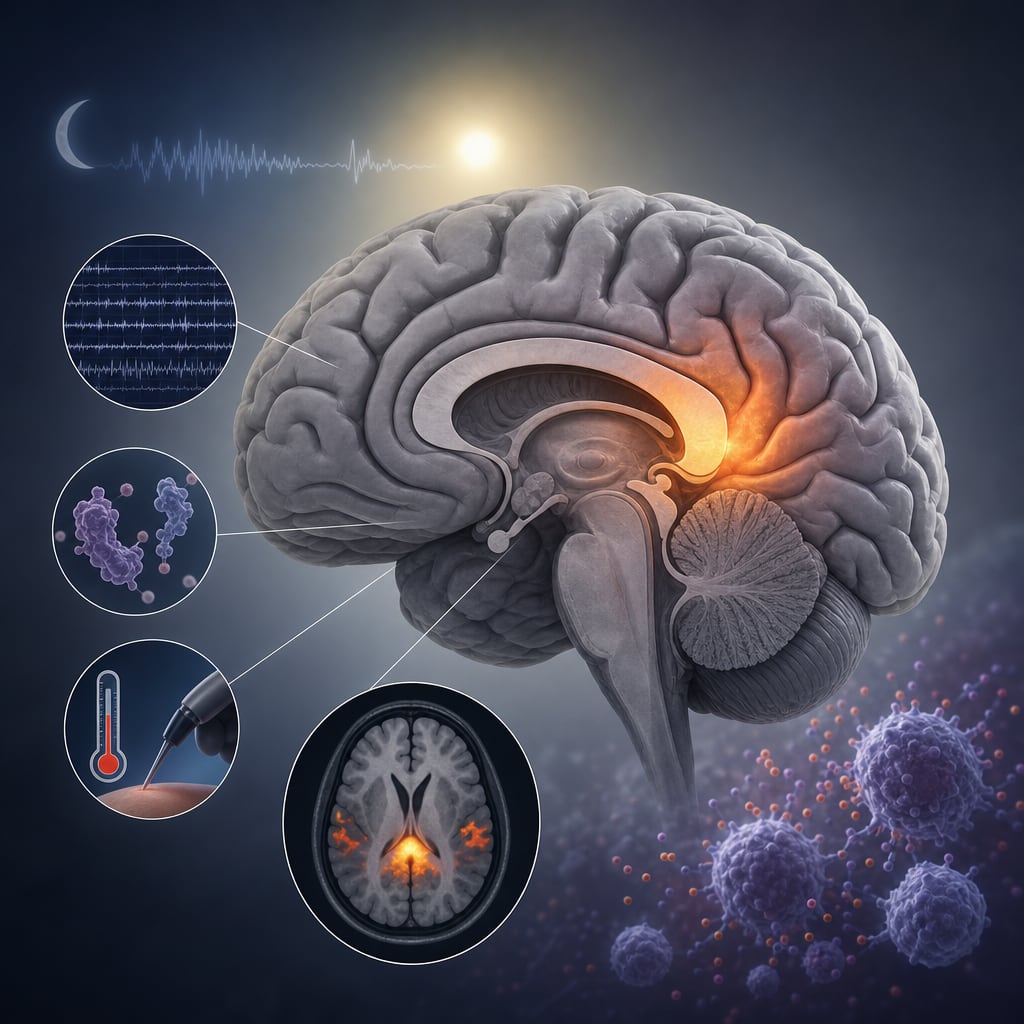
This report discusses how mechanical interventions can modulate neuroinflammation and spinal sensitization, potentially offering non-pharmacological pain relief strategies. It highlights the need for a mechanobiological framework to better understand these interactions and improve treatment protocols.
Background
Chronic pain affects approximately 30% of the global population, often leading to significant functional limitations and reduced quality of life. Current pain management strategies heavily rely on pharmacological treatments, which can have limited efficacy and adverse effects. Understanding the role of neuroinflammation in chronic pain is crucial for developing effective non-pharmacological interventions.
Data Highlights
No numerical data provided in the article.
Key Findings
Neuroinflammation is a key driver of spinal sensitization and chronic pain.
Mechanical stimuli, such as tuina, can modulate glial activation and inflammatory signaling.
There is a need for standardized mechanical dosing and mechanism-informed biomarkers for effective treatment.
Mechanical interventions may enhance perfusion and metabolic homeostasis in the spinal microenvironment.
Current clinical practices often overlook the potential of non-pharmacological analgesia.
Clinical Implications
Healthcare professionals should consider integrating mechanical interventions into chronic pain management protocols. A mechanobiological approach may provide insights into personalized treatment strategies that address neuroinflammation and spinal sensitization.
Conclusion
Mechanical signals have the potential to serve as immunomodulatory cues in the treatment of chronic pain. Further research is needed to establish standardized protocols and biomarkers for clinical application.