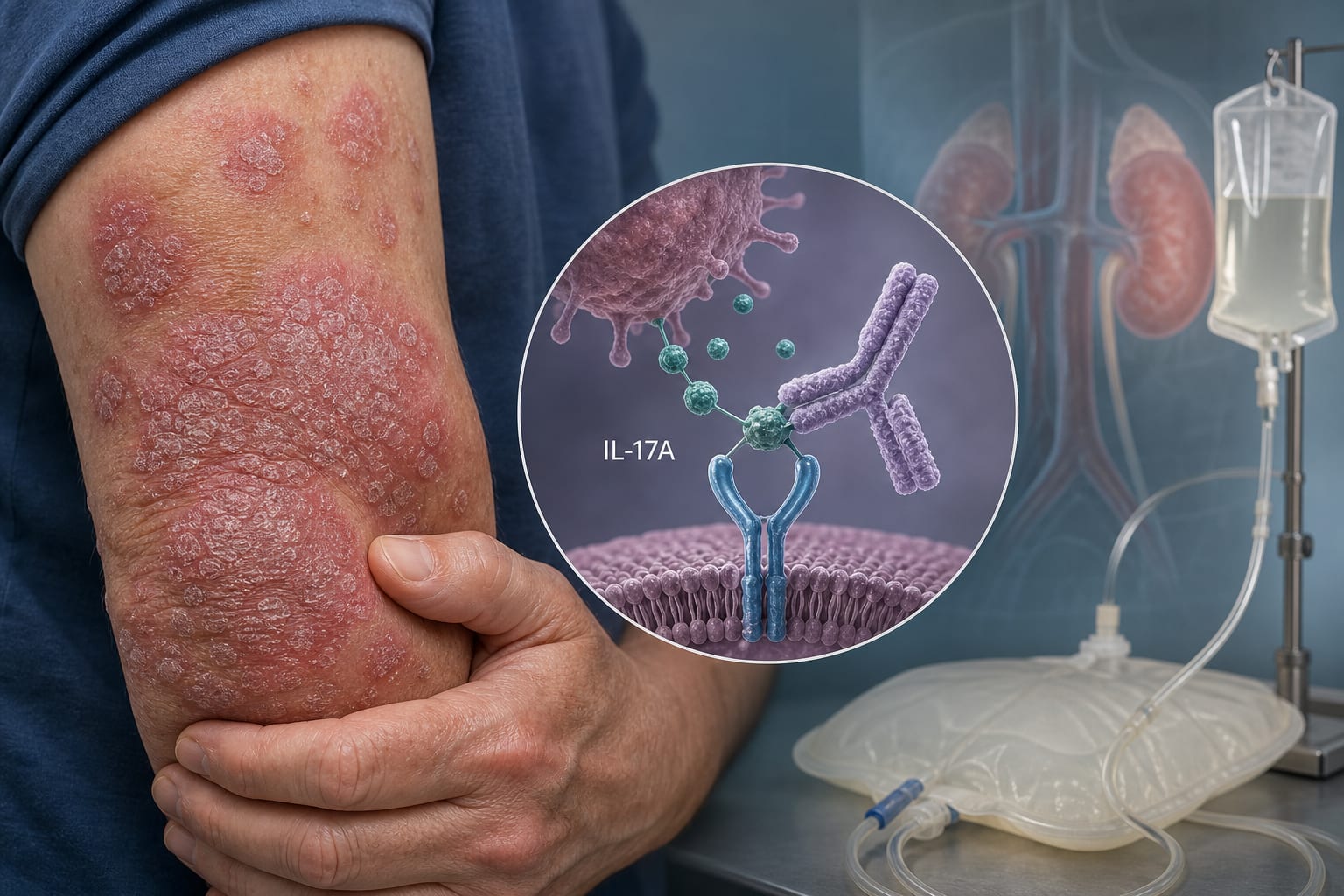
Incidence of Arthritis in a Large Cohort of Pediatric Patients Diagnosed with Psoriasis
Overview
This study investigates the incidence of psoriatic arthritis (PsA) in pediatric patients diagnosed with psoriasis, revealing that 2% developed juvenile psoriatic arthritis (JPsA) during a mean follow-up of 5 years.
Background
Psoriasis is a chronic inflammatory skin condition that can lead to psoriatic arthritis, a significant comorbidity. Early identification of psoriatic arthritis in pediatric patients is crucial for effective management.
Data Highlights
No specific numerical data provided in the source material.
Key Findings
2% of pediatric patients with psoriasis developed JPsA during a mean follow-up of 5 years.
Older age at first psoriasis diagnosis and presence of uveitis were identified as risk factors for developing JPsA.
JPsA accounts for approximately 8% of the juvenile idiopathic arthritis population.
Diagnosis of JPsA can be challenging, particularly in patients without psoriatic lesions.
Clinical features of JPsA may differ from those of pediatric psoriasis patients who do not develop arthritis.
Clinical Implications
Healthcare providers should be vigilant in monitoring pediatric patients with psoriasis for signs of psoriatic arthritis, particularly in those with identified risk factors. Early referral to a rheumatologist may be warranted for patients exhibiting persistent joint complaints or other concerning symptoms.
Conclusion
The findings underscore the need for increased awareness and early intervention strategies for psoriatic arthritis in pediatric patients with psoriasis.