Predictors of Anxiety: A Comprehensive Analysis of Lifestyle, Psychological, and Demographic Factors
Overview
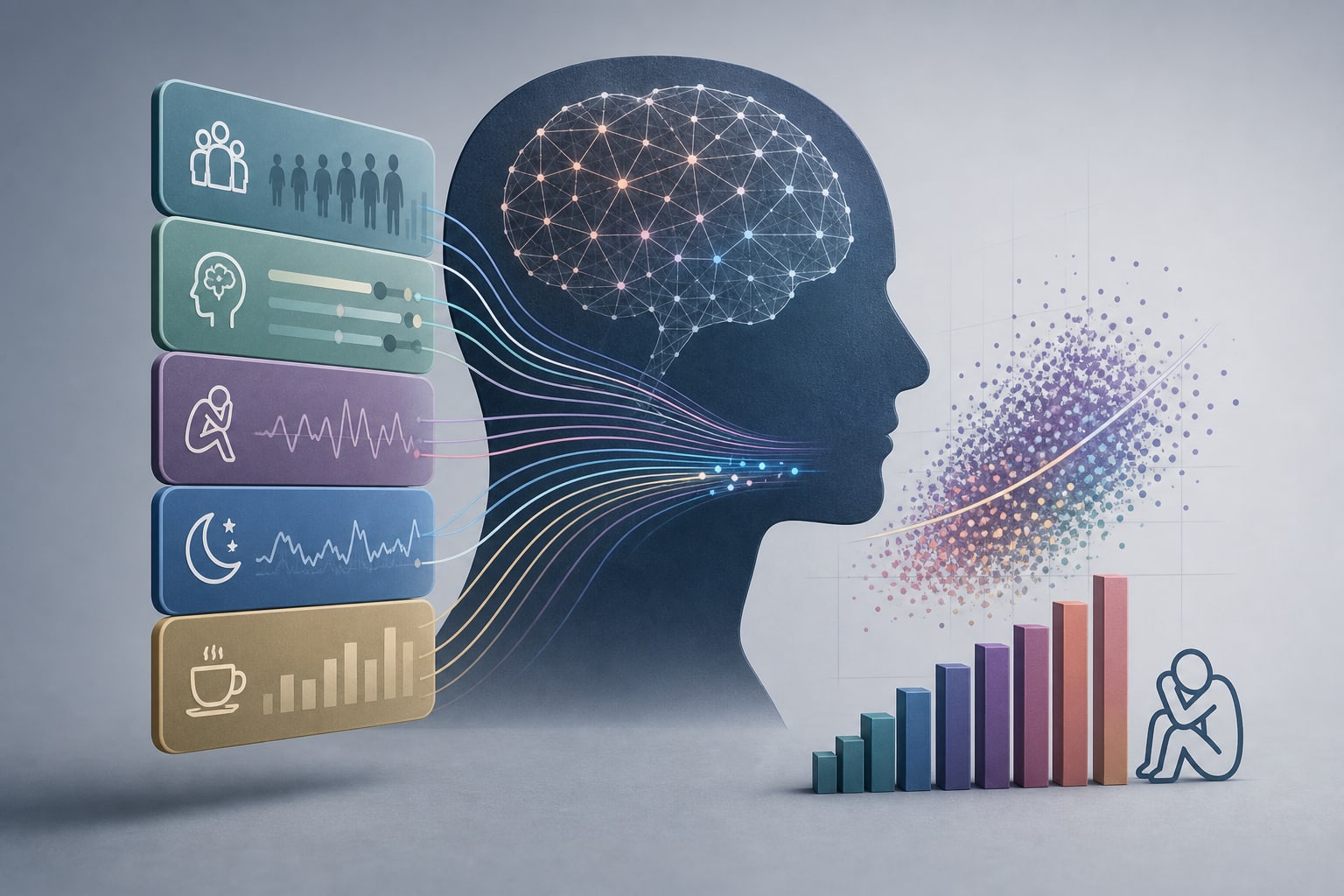
This study identifies significant predictors of anxiety severity using machine learning techniques applied to a large dataset of 11,000 adults. Key findings highlight the influence of stress, sleep duration, and caffeine intake, with ensemble models outperforming traditional regression methods.
Background
Anxiety disorders are prevalent and can lead to serious health consequences if untreated. Understanding the multifactorial influences on anxiety is crucial for developing effective interventions. This study leverages machine learning to enhance predictive modeling in mental health care, addressing a critical gap in current research.
Data Highlights
The study analyzed a dataset of 11,000 adults, evaluating associations between anxiety levels and various factors using machine learning techniques.
Key Findings
Significant associations were found between anxiety and stress, sleep duration, and caffeine intake.
Demographic factors such as family history of anxiety and occupation also influenced anxiety outcomes.
Ensemble machine learning algorithms demonstrated superior performance compared to traditional linear models.
Feature importance analysis identified stress, sleep, and caffeine intake as the top predictors of anxiety.
The study emphasizes the need for longitudinal research to improve predictive accuracy in clinical settings.
Clinical Implications
Healthcare professionals should consider lifestyle factors such as sleep and caffeine consumption when assessing anxiety in patients. The use of machine learning models may enhance the identification of at-risk individuals, allowing for more tailored interventions.
Conclusion
This study underscores the complex interplay of various factors influencing anxiety and the potential of machine learning to improve predictive modeling in mental health care.