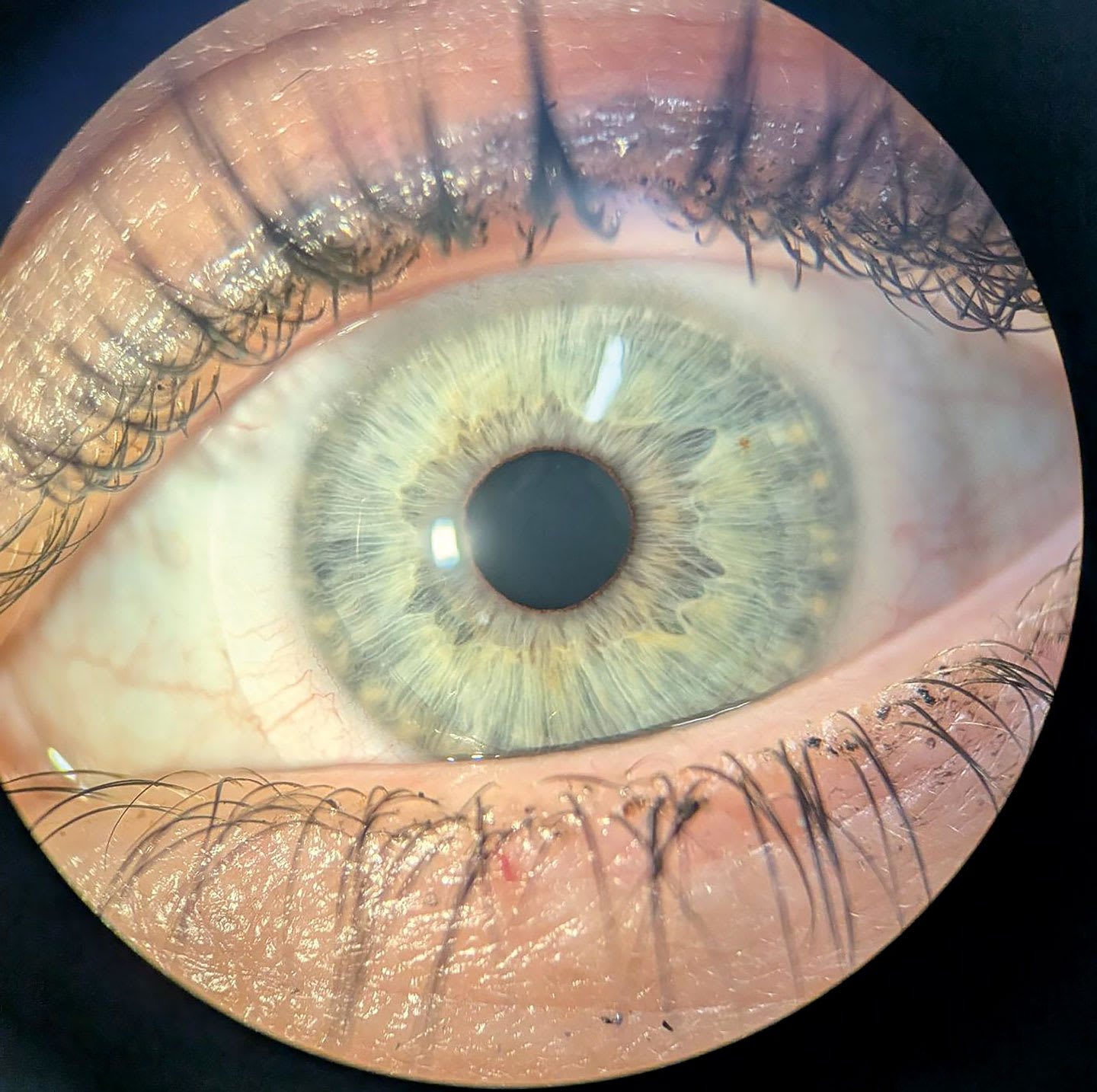
The global landscape of myopia prevalence and its social determinants in children and adolescents: a cross-regional analysis - Report - MDSpire

The global landscape of myopia prevalence and its social determinants in children and adolescents: a cross-regional analysis

  • By

  • Chengfei Liu

  • Wei Dong

  • Zihao Wang

  • Yanying Li

  • Boyang Song

  • Yukang Li

  • Ye Zhang

  • Xiaokang He

  • Zhaojiang Du

  • July 13, 2026

Share

Clinical Report: A Cross-Regional Examination of Myopia Prevalence

Overview

This study investigates the global prevalence of myopia among children and adolescents, highlighting significant correlations with social factors such as GDP and urbanization. The findings indicate that East Asia has the highest prevalence rates, while Europe and the Americas show lower, yet variable, rates.

Background

Myopia is a growing public health concern, particularly among children and adolescents, with projections indicating a global prevalence of 45.20% by 2040. Understanding the social determinants influencing myopia is essential for developing effective prevention and control strategies. This study aims to provide insights into the societal factors affecting myopia prevalence across different regions.

Data Highlights

FactorCorrelation Coefficient (β)P-value
GDP0.3690.027
Longitude0.5510.001
GDP per capita-0.8630.001
Urban population (% of total)0.7370.008
Population distribution (Northern vs. Southern Hemisphere)0.5720.011

Key Findings

  • East Asia has the highest prevalence of myopia among children and adolescents.
  • GDP is positively correlated with myopia prevalence.
  • Higher GDP per capita is negatively associated with myopia prevalence.
  • Urbanization significantly influences myopia rates.
  • Longitude is a significant factor in myopia prevalence.

Clinical Implications

Healthcare professionals should consider the influence of socioeconomic and environmental factors when addressing myopia in children. Targeted interventions may be necessary in regions with high prevalence rates to mitigate the impact of these social determinants.

Conclusion

The study underscores the importance of understanding the social factors influencing myopia prevalence to inform public health strategies and interventions.


Related Resources & Content

  1. Author(s)/Org, Source, Year -- Title
  2. Author(s)/Org, Source, Year -- Title
  3. Author(s)/Org, Source, Year -- Title
  4. Author(s)/Org, Source, Year -- Title
  5. Author(s)/Org, Source, Year -- Title
  6. Author(s)/Org, Source, Year -- Title
  7. Frontiers in Medicine — Prevalence, vector evolution, and visual impact of astigmatism: a large-scale study of 79,066 children in Beijing, China
  8. Pediatric Eye Evaluations Preferred Practice Pattern - Ophthalmology
  9. Updated AOA Pediatric Eye and Vision Examination Guideline Opens for Peer and Public Review
  10. IMI Global Trends in Myopia Management Attitude and Strategies in Clinical Practice – 2025 Update - Myopia Institute
  11. Final Recommendation Statement: Vision in Children Ages 6 Months to 5 Years: Screening | United States Preventive Services Taskforce
  12. Interventions to slow the progression of short-sightedness in children | Cochrane
  13. Low-Concentration Atropine for Myopia Progression (LAMP) Study: A Randomized, Double-Blinded, Placebo-Controlled Trial of 0.05%, 0.025%, and 0.01% Atropine Eye Drops in Myopia Control - PubMed
  14. Effect of High Add Power, Medium Add Power, or Single-Vision Contact Lenses on Myopia Progression in Children: The BLINK Randomized Clinical Trial | Ophthalmology | JAMA | JAMA Network
  15. FDA Authorizes Marketing of First Eyeglass Lenses to Slow Progression of Pediatric Myopia | FDA
  16. Global prevalence, trend and projection of myopia in children and adolescents from 1990 to 2050: a comprehensive systematic review and meta-analysis - PubMed
  17. Is Spending More Time Outdoors Able to Prevent and Control Myopia in Children and Adolescents? A Meta-Analysis - PubMed
  18. Time Outdoors in Reducing Myopia - Ophthalmology

Original Source(s)

Related Content