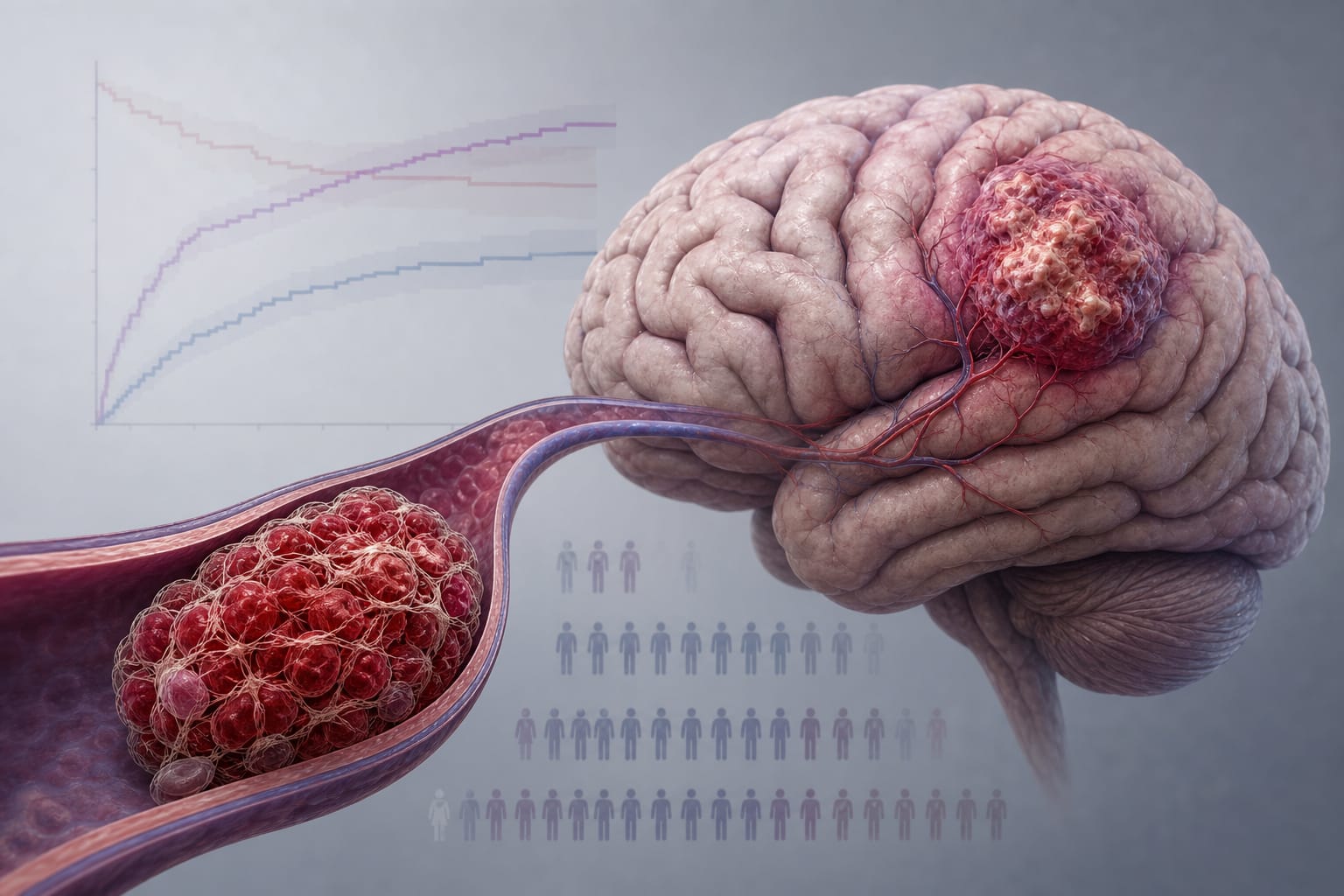
Sleep Disorders in Adults with Primary Brain Tumors and Their Caregivers: A Systematic Review
Overview
This systematic review highlights the high prevalence and significant impact of sleep disturbances in adults with primary brain tumors (PBT) and their caregivers. It identifies key risk factors and underscores the limited evidence on effective sleep-focused interventions in this population.
Background
Sleep dysfunction is a common and debilitating symptom in cancer patients, adversely affecting quality of life and potentially survival. Primary brain tumors, although rare, present unique challenges due to their neurological impact and poor prognosis. Caregivers of PBT patients also experience sleep disturbances related to caregiving demands and psychological stress. Previous literature has been limited by small samples, focus on low-grade tumors, and lack of caregiver inclusion, necessitating an updated comprehensive review.
Data Highlights
The review included studies published between September 2015 and May 2022, focusing on adults with PBT and their caregivers. Various validated tools were used to assess sleep disturbances, including self-report assessments, sleep diaries, and quality of life measures. The search strategy followed PRISMA guidelines and included multiple databases with rigorous screening and quality appraisal processes. Despite heterogeneity in study designs and measures, sleep disturbance emerged as a frequent and severe symptom in this population.
Key Findings
Sleep disturbances are highly prevalent among PBT survivors, often reported as one of the most frequent and impactful symptoms throughout the disease trajectory.
Caregivers of PBT patients also experience significant sleep disruption due to caregiving responsibilities and psychological stressors such as anxiety and depression.
Most existing studies rely on single-item sleep measures within broader quality of life assessments, limiting detailed understanding of sleep patterns and severity.
Research predominantly involves small samples with low-grade or benign tumors, restricting generalizability to higher-grade PBT cases.
There is a notable lack of studies evaluating sleep-focused interventions specifically tailored for PBT survivors and their caregivers.
Risk factors for sleep disturbance include tumor-related neurological symptoms, treatment side effects, psychological distress, and caregiving burden.
Clinical Implications
Clinicians should proactively assess sleep disturbances in both PBT patients and their caregivers as part of comprehensive supportive care. Given the multifactorial nature of sleep problems, multidisciplinary approaches addressing neurological, psychological, and caregiving factors are warranted. The paucity of targeted interventions highlights the need for development and evaluation of sleep management strategies tailored to this population.
Conclusion
Sleep disturbances significantly affect adults with primary brain tumors and their caregivers, yet remain under-recognized and under-treated. Enhanced research efforts are needed to better characterize sleep issues and develop effective interventions to improve quality of life in this vulnerable group.
References
Jeon et al. 2015 -- Sleep disturbance in primary brain tumor patients
PRISMA 2020 -- Preferred Reporting Items for Systematic Reviews and Meta-Analyses
Joanna Briggs Institute 2022 -- Critical Appraisal Tools