Clinical Report: Imbalance of Iron Homeostasis in Neuropsychiatric Conditions
Overview
Iron plays a critical role in brain physiology, including oxygen transport, energy metabolism, and neurotransmitter synthesis. Dysregulation of brain iron homeostasis is implicated in various neuropsychiatric disorders, with iron overload linked to neurodegenerative diseases and iron deficiency associated with neurodevelopmental and mental disorders.
Background
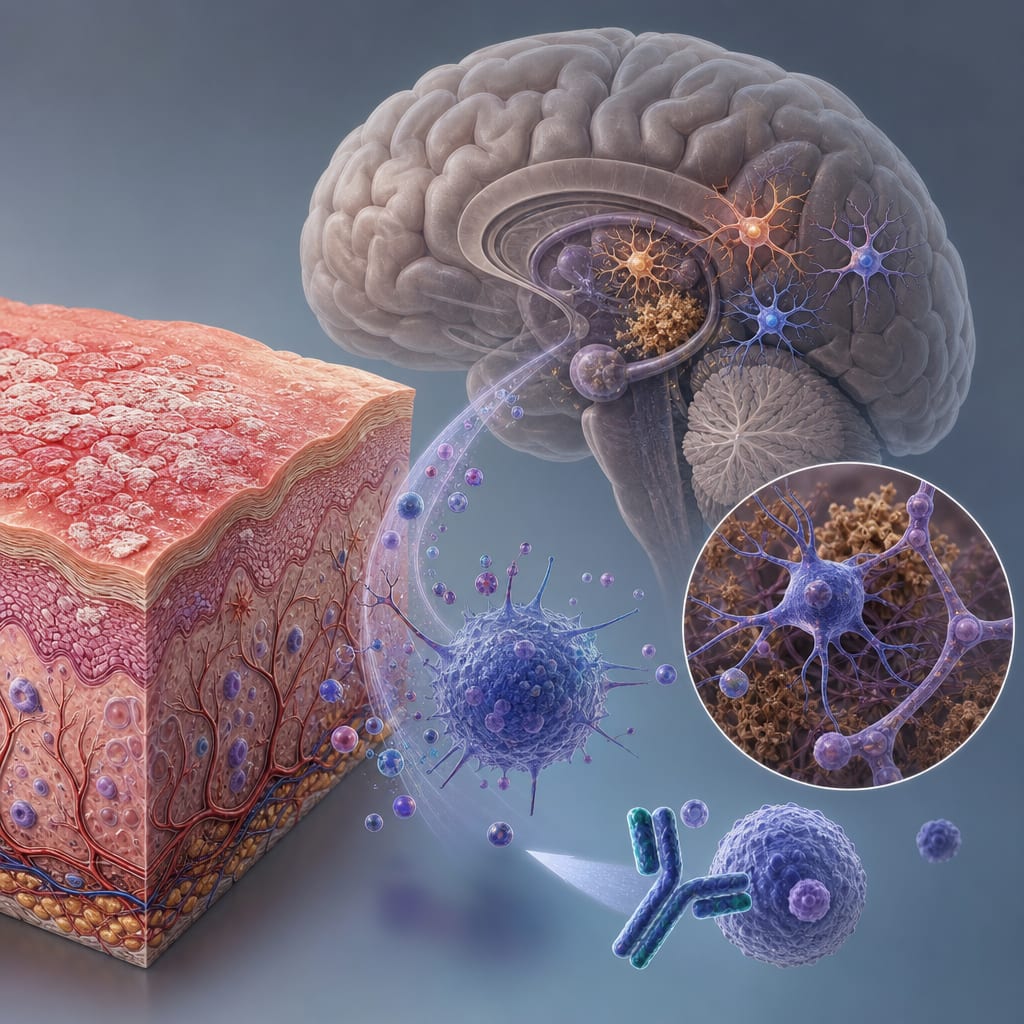
The brain, despite its small weight, demands substantial oxygen and energy, relying heavily on iron for multiple biological processes such as mitochondrial energy production, DNA synthesis, and myelin formation. Iron homeostasis is tightly regulated through complex transport mechanisms involving transferrin, transferrin receptors, and other transporters. Disruption of this balance leads to oxidative stress and neuroinflammation, contributing to the pathophysiology of diseases like Parkinson’s, Alzheimer’s, ADHD, and depression.
Data Highlights
Iron enters the brain primarily via the blood-brain barrier through transferrin-transferrin receptor and DMT1-ferroportin pathways. In endothelial cells, Fe3+ bound to transferrin is endocytosed, reduced to Fe2+, and transported into brain interstitial fluid. Neurons and astrocytes uptake iron through specific receptors and transporters, with astrocytes producing ceruloplasmin to facilitate iron oxidation and transfer. Iron is excreted mainly via the choroid plexus epithelial cells, completing the cerebral iron cycle.
Key Findings
Iron is essential for brain functions including oxygen transport, energy metabolism, neurotransmitter synthesis, and myelin formation.
Neurodegenerative diseases like Parkinson’s and Alzheimer’s show abnormal iron accumulation in specific brain regions, leading to oxidative stress and neuroinflammation.
Neurodevelopmental disorders such as ADHD are associated with functional iron deficiency affecting myelination and dopamine neurotransmission.
Brain iron metabolism involves tightly regulated transport mechanisms across the blood-brain barrier and cellular uptake via transferrin receptors and metal transporters.
Excess free iron catalyzes reactive oxygen species formation through the Fenton reaction, causing oxidative damage to neural tissue.
Astrocytes play a key role in brain iron homeostasis by producing ceruloplasmin and facilitating iron oxidation and transfer.
Clinical Implications
Understanding the dual role of iron overload and deficiency in neuropsychiatric disorders highlights the importance of precise iron regulation in clinical management. Therapeutic strategies targeting iron metabolism may offer novel approaches for treating neurodegenerative and neurodevelopmental conditions. Monitoring brain iron status could aid in diagnosis and guide interventions to restore iron balance.
Conclusion
Iron homeostasis imbalance is a central factor in the pathophysiology of diverse neuropsychiatric disorders. Targeting cerebral iron metabolism represents a promising avenue for future research and therapeutic development.
References
Author/Source/Year -- Imbalance of Iron Homeostasis in Neuropsychiatric Conditions