Clinical Report: Vascular Wellness and Its Impact on Cognitive Function and Brain Health
Overview
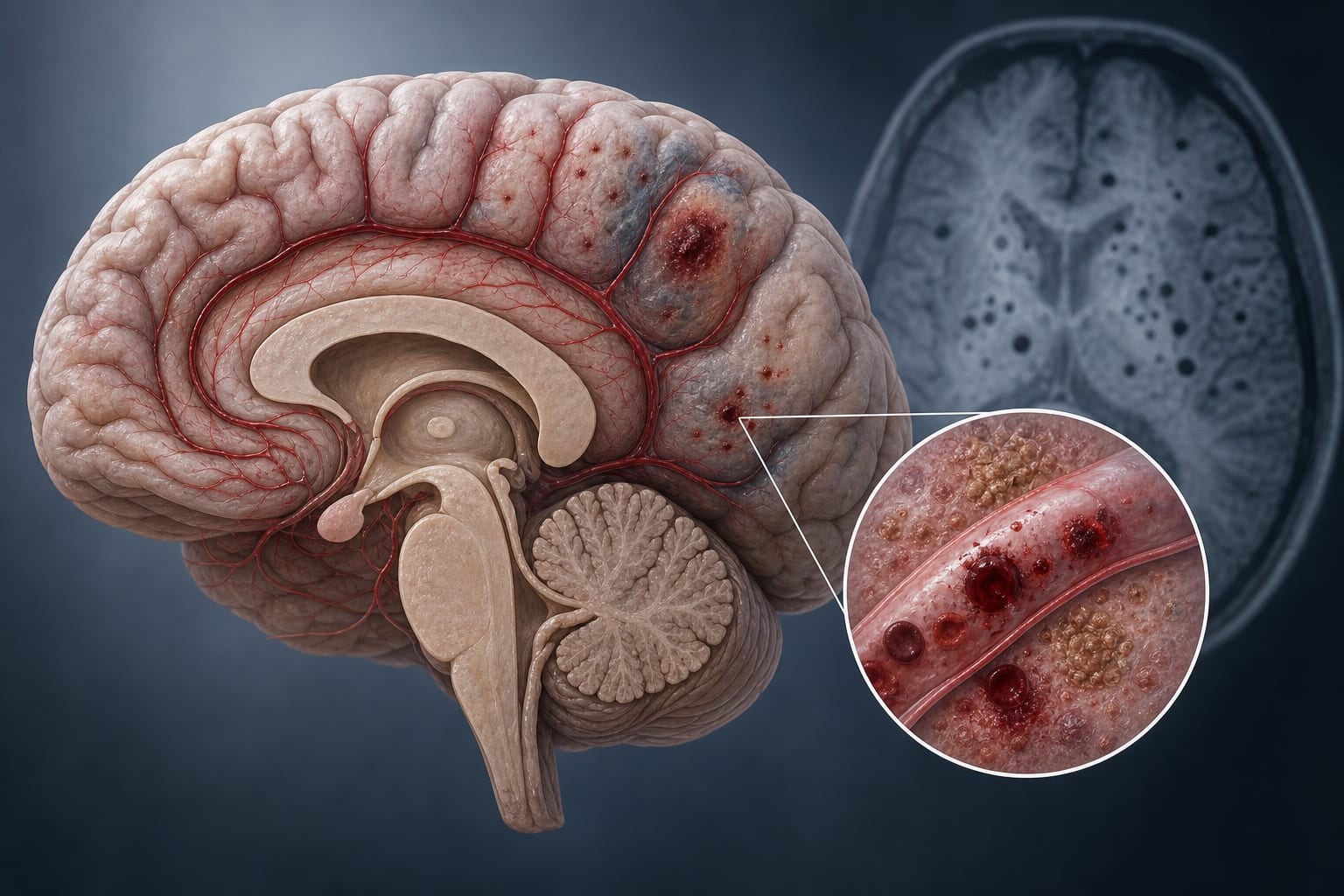
Optimizing vascular health through management of blood pressure, LDL cholesterol, and blood glucose shows promise in reducing dementia risk. Recent studies highlight benefits of antihypertensives, statins, and certain glucose-lowering agents in lowering incidence of mild cognitive impairment and Alzheimer's disease.
Background
Hypertension has long been linked to increased dementia risk, though definitive trial evidence for antihypertensive benefits on dementia has been limited. Emerging data also implicate lipid metabolism and glycaemic control as important vascular factors influencing cognitive decline. New pharmacologic interventions, including statins and glucose-lowering drugs like GLP-1 receptor agonists and SGLT2 inhibitors, may offer additional protective effects beyond traditional vascular risk reduction.
Data Highlights
| Intervention | Effect on Dementia Risk |
|---|---|
| SBP >140 mmHg | Associated with worse cognitive function |
| LDL cholesterol <1.8 mmol/l | 26% reduction in dementia risk; 28% reduction in AD dementia |
| Statin use | Reduced risk of all-cause dementia, AD dementia, vascular dementia |
| GLP-1 receptor agonists | 33% reduction in AD dementia incidence; OR 0.55 for all-cause dementia |
| SGLT2 inhibitors | 43% reduction in AD dementia incidence |
Key Findings
- SPRINT-MIND trial showed significant reduction in mild cognitive impairment and combined MCI/probable dementia with antihypertensive treatment.
- Untreated hypertension significantly increases dementia risk; antihypertensive therapy reduces this risk substantially.
- Low LDL cholesterol (<1.8 mmol/l) and statin use are associated with reduced dementia and Alzheimer's disease risk.
- GLP-1 receptor agonists and SGLT2 inhibitors in type 2 diabetes patients are linked to decreased incidence of Alzheimer's disease dementia.
- GLP-1 receptor agonists may confer dementia risk reduction beyond glycaemic control, potentially via neuroprotective mechanisms.
- Targeting vascular risk factors offers a cost-effective strategy to reduce dementia risk, especially in low and middle-income countries.
Clinical Implications
Clinicians should prioritize management of vascular risk factors including hypertension, dyslipidemia, and hyperglycemia to potentially reduce dementia risk. Use of statins and certain glucose-lowering agents such as GLP-1 receptor agonists may provide additional neuroprotective benefits. Early intervention in patients at risk, particularly those with preclinical type 2 diabetes, could be a valuable approach to prevent neurodegenerative diseases.
Conclusion
Targeting vascular health represents a promising, scalable strategy to improve brain health and reduce dementia risk. Further research is needed to elucidate the mechanisms by which vascular interventions confer neuroprotection.
References
- SPRINT-MIND Trial -- Effects of Intensive Blood Pressure Control on Cognitive Outcomes
- Meta-analyses on Hypertension and Dementia Risk
- South Korean Retrospective Study on LDL Cholesterol and Dementia
- Meta-analysis of Statin Use and Dementia Risk
- Study on GLP-1 Receptor Agonists, SGLT2 Inhibitors, and Alzheimer's Disease
- Meta-analysis on Glucose Lowering Drugs and Dementia Risk
- Brain Publication on T2DM and Neurodegenerative Disease Risk
This content is an AI-generated, fully rewritten summary based on a published scholarly article. It does not reproduce the original text and is not a substitute for the original publication. Readers are encouraged to consult the source for full context, data, and methodology.