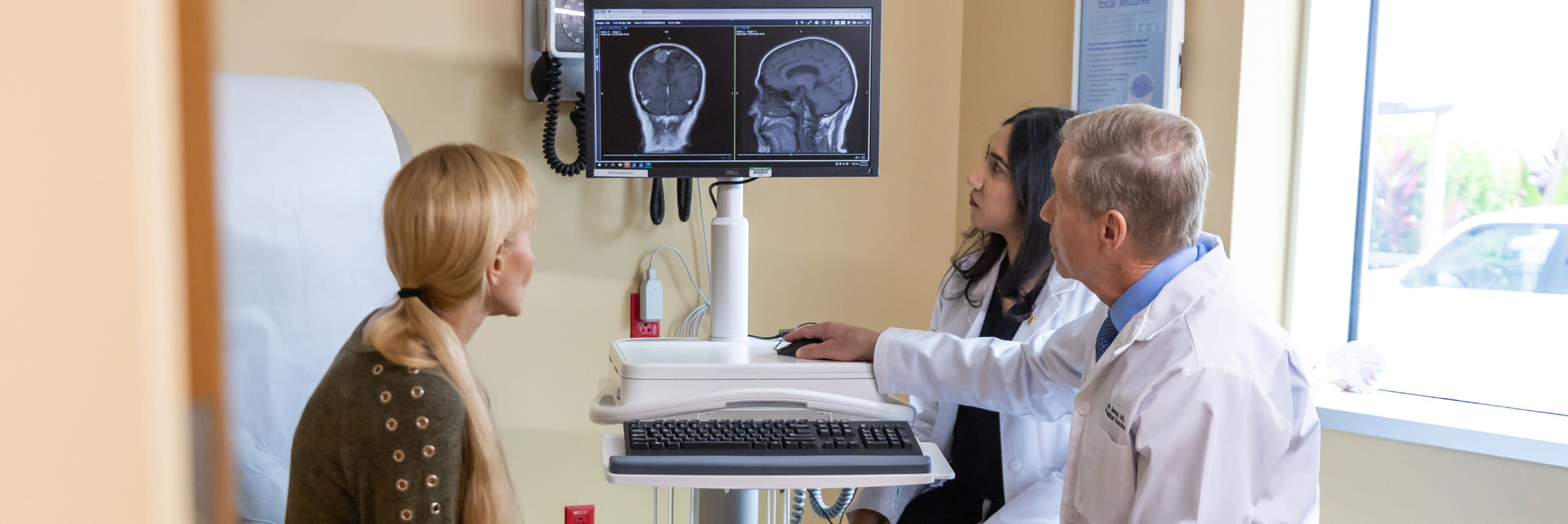
Awake Craniotomy for Brain Tumors in Elderly Patients: Institutional Insights
Overview
This retrospective study of 70 patients aged 75 and older undergoing awake craniotomy (AC) demonstrates that AC is a feasible and safe surgical option in the geriatric population. Key outcomes include acceptable postoperative complication rates, manageable hospital length of stay, and preservation of functional status, supporting AC as a valuable approach for brain tumor resection in elderly patients.
Background
The incidence of central nervous system tumors increases significantly with age, posing unique challenges for surgical management in elderly patients due to comorbidities and reduced physiological reserve. Awake craniotomy allows maximal safe tumor resection while preserving critical brain functions, potentially improving survival and quality of life. Functional status assessments such as ASA, KPS, and frailty indices guide patient selection and risk stratification. Understanding perioperative outcomes in this population is essential to optimize care and inform treatment decisions.
Data Highlights
Parameter
Value
Number of Patients
70
Age Range
75 years and older
Primary Outcomes
Postoperative complications, new neurological deficits, hospital length of stay, discharge disposition, 30-day readmission rates
ASA class, Karnofsky Performance Status (KPS), modified 11-factor Frailty Index (mFI-11)
Key Findings
Awake craniotomy was successfully performed using an asleep-awake-asleep protocol with intraoperative neurophysiological monitoring and cortical mapping.
Postoperative complications were categorized into neurosurgical and medical, with new neurological deficits defined as persistent impairments at discharge.
Functional status was assessed preoperatively using ASA, KPS, and mFI-11 scores to guide patient selection and predict outcomes.
Hospital length of stay and discharge disposition varied, with key metrics including ICU stay duration and 30-day readmission rates analyzed.
Progression-free survival and overall survival were measured from surgery date, with censoring at last follow-up or imaging.
Multivariable regression analyses identified predictors of length of stay, ICU duration, discharge disposition, and readmission risk.
Clinical Implications
Awake craniotomy can be safely offered to selected elderly patients, balancing maximal tumor resection with preservation of neurological function. Preoperative functional and frailty assessments are critical to optimize patient selection and anticipate perioperative risks. Monitoring length of stay and readmission rates informs postoperative care planning to enhance recovery and quality of life in this vulnerable population.
Conclusion
This institutional experience supports awake craniotomy as a viable surgical approach for brain tumor resection in geriatric patients, demonstrating favorable functional and survival outcomes. Careful patient selection and multidisciplinary perioperative management are essential to maximize benefits and minimize risks.
References
Incidence and challenges of CNS tumors in elderly patients
Benefits of awake craniotomy for glioma resection
Functional status assessment tools in neuro-oncology
Institutional retrospective cohort study methodology and outcomes
by Vratko Himic, Victor M. Lu, Roxanne C. Mayrand, Emma R. Sass, Caleigh Roach, Kate Stillman, Sebastian Vargas-George, Jay Chandar, Vaidya Govindarajan, Adham M. Khalafallah, Zachary C. Gersey, Daniel M. Aaronson, Michael E. Ivan, Ashish H. Shah, Ricardo J. Komotar