Clinical Report: Progressing in Sports Cardiology: Innovative Approaches
Overview
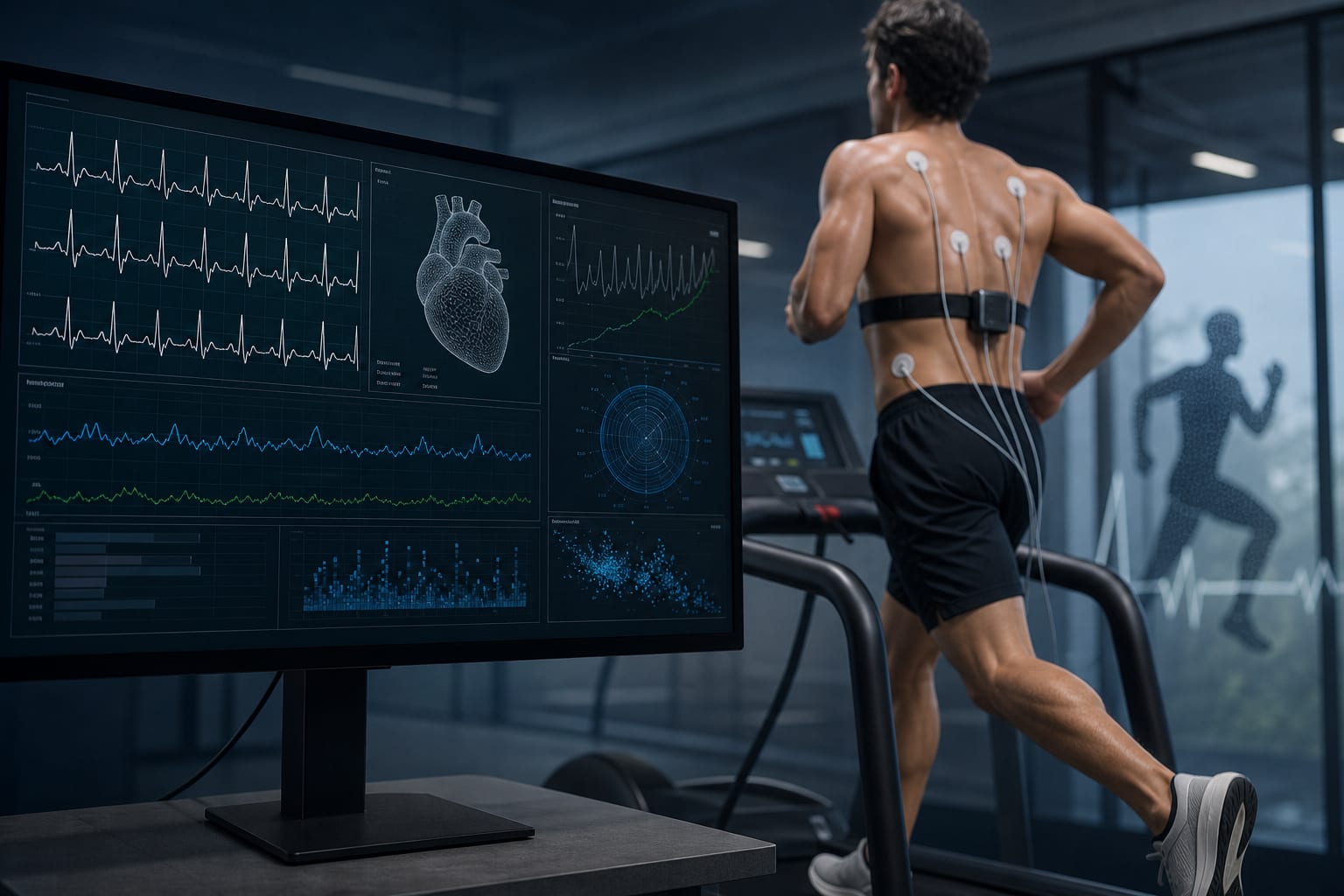
This editorial discusses advancements in sports cardiology, focusing on innovative screening methods and recovery protocols for athletes. Key findings include the integration of artificial intelligence in cardiovascular evaluations and evidence supporting safe return-to-play strategies post-COVID-19.
Background
Sports cardiology is crucial for balancing athletic performance with cardiovascular health. As diagnostic technologies evolve, understanding the cardiac effects of intense physical activity becomes increasingly complex. This editorial highlights the need for tailored approaches in athlete evaluation and rehabilitation.
Data Highlights
No numerical data presented in the editorial.
Key Findings
Integration of AI tools can enhance diagnostic accuracy in athlete cardiovascular evaluations.
Multimodal AI-driven frameworks can reduce false positives in risk stratification.
Long-term follow-up shows stable cardiac function in athletes post-mild SARS-CoV-2 infection.
Heart rate variability is a promising predictor of training-induced inflammation.
Plyometric training significantly improves neuromuscular performance compared to routine training.
Clinical Implications
Healthcare professionals should consider incorporating AI and multimodal screening techniques to improve cardiovascular assessments in athletes. Additionally, evidence-based return-to-play protocols are essential for ensuring athlete safety, particularly following infections like COVID-19.
Conclusion
The shift towards personalized cardiovascular assessment and training strategies in sports cardiology represents a significant advancement in athlete care. Continued integration of technology and evidence-based practices will enhance athlete safety and performance.