Clinical Report: Impact of Laparoscopic Ovarian Cystectomy on Ovarian Reserve Function
Overview
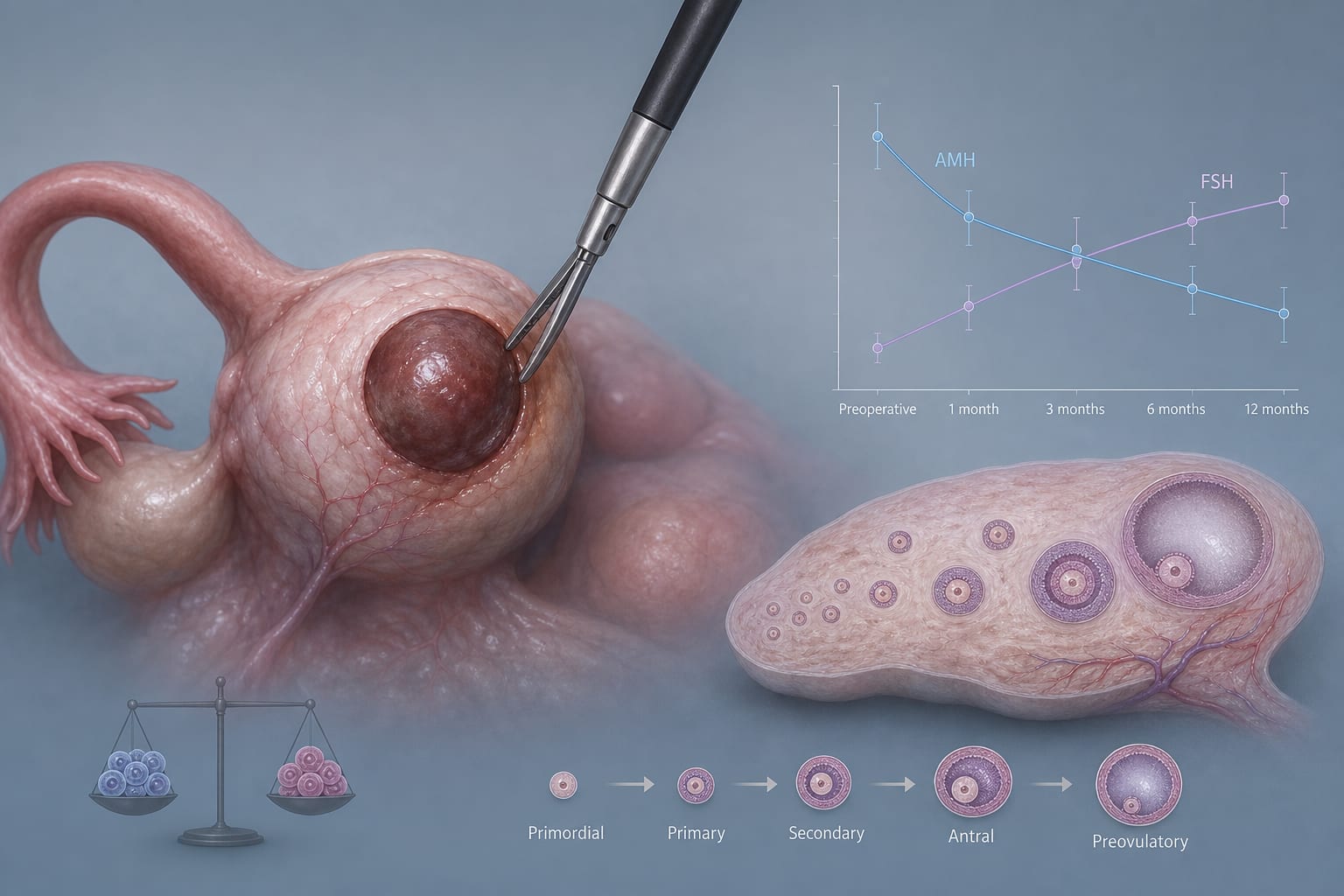
This study investigates the effects of laparoscopic ovarian cystectomy on ovarian reserve function, revealing decreases in AMH levels and increases in FSH levels post-surgery. Independent risk factors for postoperative AMH decrease include cyst diameter, type of cyst, hemostasis method, and ovarian tissue loss.
Background
Ovarian cysts are prevalent among women of reproductive age and can lead to various complications affecting reproductive health. Laparoscopic ovarian cystectomy is a common surgical intervention aimed at removing these cysts while preserving ovarian tissue. Understanding the impact of this procedure on ovarian reserve is crucial for informing surgical decisions and managing patient fertility.
Data Highlights
Time Point
AMH Levels
FSH Levels
Before Surgery
Baseline
Baseline
1 Month
Data needed
Data needed
3 Months
Data needed
Data needed
6 Months
Data needed
Data needed
12 Months
Data needed
Data needed
Key Findings
AMH levels decreased and FSH levels increased at 1, 3, 6, and 12 months post-surgery (P < 0.05).
The decrease in AMH and increase in FSH were greater in patients with cysts ≥7 cm compared to those with smaller cysts (P < 0.001).
Electrocoagulation hemostasis resulted in a more significant decline in AMH than suture hemostasis (P < 0.05).
Among patients with fertility intentions, the overall pregnancy rate was 59.3% and the live birth rate was 48.8%.
Independent risk factors for significant postoperative AMH decrease included cyst diameter ≥7 cm, endometriotic cysts, electrocoagulation hemostasis, and moderate-to-severe ovarian tissue loss (P < 0.05).
Clinical Implications
The findings indicate that laparoscopic ovarian cystectomy can adversely affect ovarian reserve, particularly in patients with larger cysts or those undergoing specific hemostatic techniques. Clinicians should consider these factors when counseling patients regarding fertility and surgical options.
Conclusion
Laparoscopic ovarian cystectomy is associated with a decline in ovarian reserve function, with recovery observed over time. Identifying risk factors for AMH decrease can aid in surgical planning and patient management.
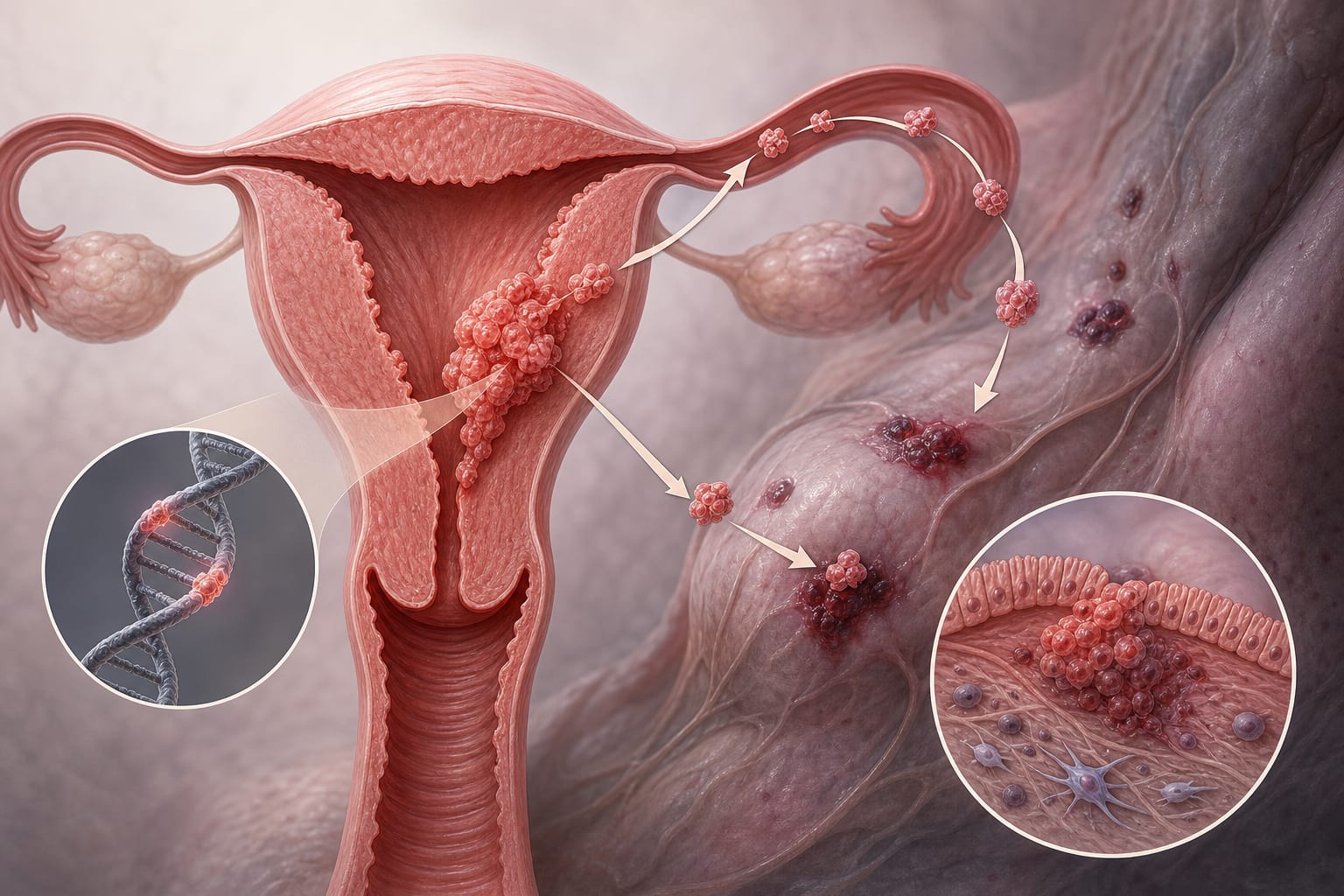
A two-marker methylated DNA assay identified endometrial cancer with 96% sensitivity in self-collected vaginal fluid — but prospective validation is needed before it can reduce biopsies in routine care.