Conexiant’s news site is now MDSpire News. Learn more
Advertisement
A New Era for Pancreatic Cancer: How Baptist Health Research Helped Get Us Here
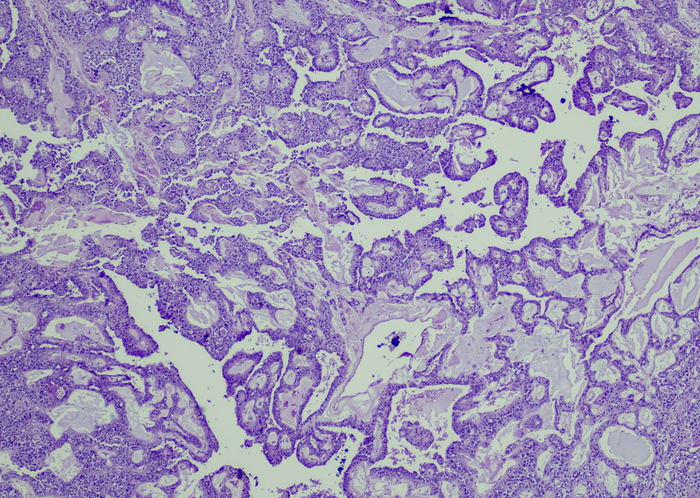
Pancreatic adenocarcinoma, the most common form of pancreatic cancer, accounts for roughly 90 to 95 percent of cases. It's notoriously difficult to catch early, because symptoms often don't appear until the disease has already spread
Clinical Report: FDA Approves Daraxonrasib for Metastatic Pancreatic Cancer
Overview
The FDA has approved daraxonrasib, an oral targeted therapy for metastatic pancreatic adenocarcinoma. This approval is based on the RASolute 302 Phase 3 trial.
Background
Pancreatic adenocarcinoma is the most prevalent form of pancreatic cancer, accounting for 90-95% of cases. Historically, treatment options have been limited, with chemotherapy providing minimal long-term success and significant side effects.
Data Highlights
Outcome
Daraxonrasib
Chemotherapy
Median Overall Survival
13.2 months
6.7 months
Risk of Death
60% lower
N/A
Progression-Free Survival
Nearly double
N/A
Key Findings
Daraxonrasib targets activated KRAS proteins, a key driver in pancreatic cancer.
Median overall survival was 13.2 months for daraxonrasib compared to 6.7 months for chemotherapy.
Patients on daraxonrasib had a 60% lower risk of death compared to those receiving standard chemotherapy.
Progression-free survival was nearly double for patients on daraxonrasib.
Daraxonrasib is the first significant advancement in treatment for advanced pancreatic cancer in many years.
Clinical Implications
The approval of daraxonrasib provides a new targeted treatment option for patients with metastatic pancreatic adenocarcinoma.
Conclusion
The introduction of daraxonrasib marks a new treatment option for metastatic pancreatic cancer.