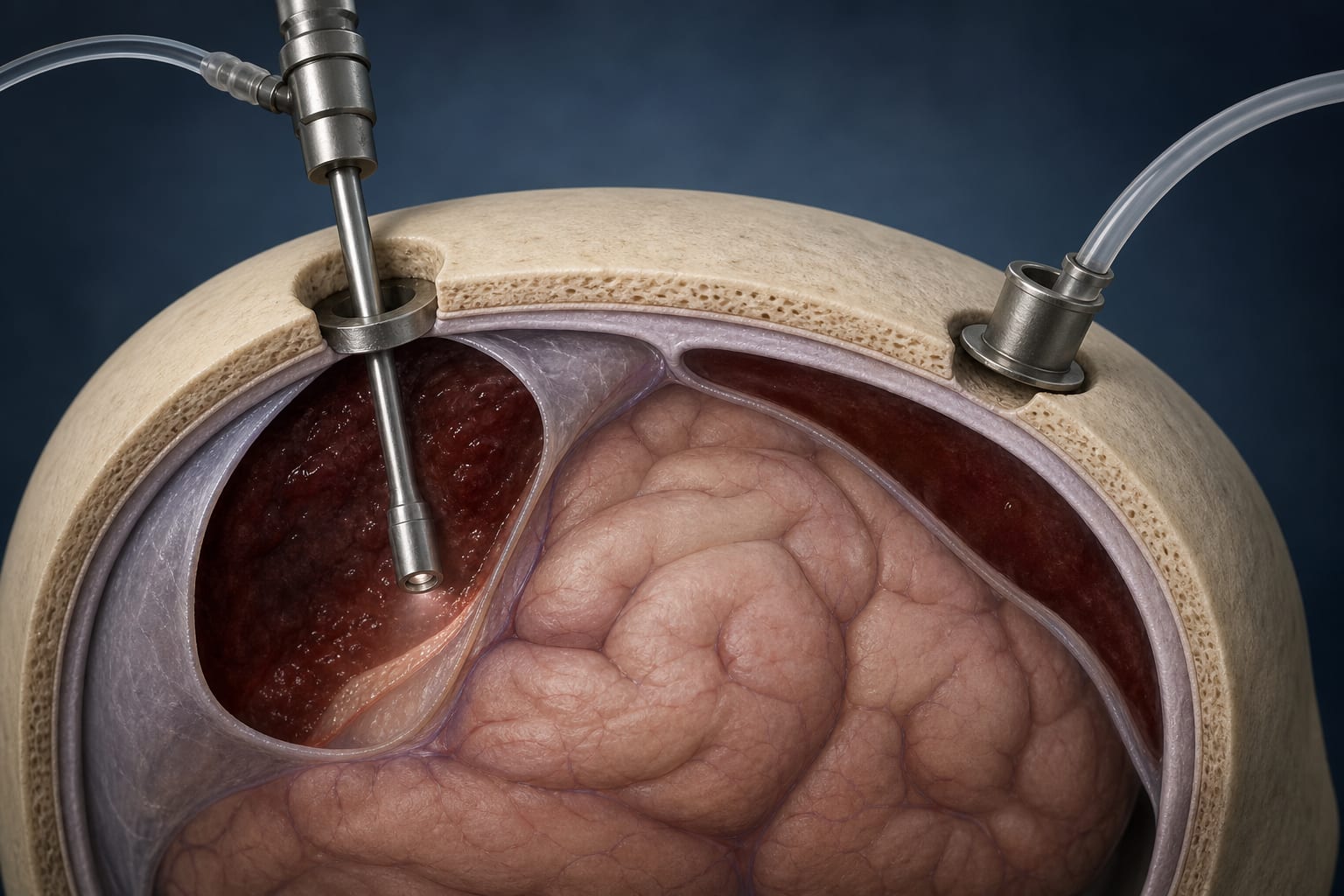
Chronology of Cognitive Performance in Glioma Patients Undergoing Awake Brain Tumor Resection
Overview
This prospective study evaluated cognitive functioning in glioma patients undergoing awake brain tumor surgery at multiple time points: preoperative, intraoperative, immediate postoperative, and months after surgery. The findings indicate that cognitive performance may temporarily decline immediately after surgery but generally recovers to preoperative levels within months. Intraoperative cognitive assessment was feasible in some patients and provided additional insight into cognitive changes during surgery.
Background
Awake brain tumor surgery is a safe and effective technique to maximize tumor resection while minimizing neurological deficits, especially for tumors in eloquent brain areas. It involves intraoperative cortical and subcortical electrostimulation with the patient awake, allowing real-time monitoring of cognitive functions. Previous studies have shown preserved cognitive functioning months after awake surgery, but detailed timelines of cognitive changes immediately post-surgery are lacking. Understanding the course of cognitive functioning can improve patient psychoeducation and postoperative care.
Data Highlights
Characteristic
Value
Number of patients analyzed
37
Age (mean ± SD)
53 ± 13 years
Gender
57% male
Education level
38% lower, 62% higher
Handedness
78% right, 14% left, 8% ambidextrous
WHO tumor grade
20 grade IV, others grade II and III
Tumor location
Frontal lobe most common, then parietal, temporal, occipital, and multi-lobar
Key Findings
Cognitive functioning was assessed using a concise screener covering object naming, reading, attention span, working memory, inhibition, switching, and visuoperception.
Assessments were conducted preoperatively, intraoperatively (when feasible), immediately postoperatively, and months after surgery.
Most patients showed no significant cognitive deterioration months after awake brain tumor surgery compared to preoperative baseline.
Some patients experienced temporary cognitive decline immediately after surgery, likely due to brain swelling or fatigue.
Intraoperative cognitive testing was feasible in a subset of patients and provided valuable real-time data on cognitive status during surgery.
The study supports the safety of awake brain tumor surgery in preserving cognitive functions over time.
Clinical Implications
Clinicians can reassure patients that awake brain tumor surgery generally preserves cognitive functions, with any immediate postoperative decline being temporary. Incorporating intraoperative cognitive assessments may help tailor surgical approaches and optimize outcomes. Detailed timelines of cognitive recovery can enhance patient counseling and postoperative rehabilitation planning.
Conclusion
Awake brain tumor resection in glioma patients is associated with stable cognitive functioning in the months following surgery, despite possible transient postoperative declines. This supports the procedure's safety and utility in preserving neurocognitive health.
References
Van Kessel et al. 2021 -- Cognitive functioning after awake brain tumor surgery
Delis-Kaplan Executive Function System (DKEFS) Colour-Word Interference Test
Medical Research Ethics Committee UMC Utrecht -- Study approval statement
Aviva Abosch, M.D., Ph.D., a neurosurgeon at Baptist Health Miami Neuroscience Institute, part of Baptist Health Brain and Spine Care, was installed as the Esernia Endowed Chair in Surgical Treatment of Adult Epilepsy and Movement Disorders.
A VHA study across 11 vendors finds AI-generated primary care notes score lower than clinician-written notes, with the largest deficits in thoroughness, organization, and usefulness