Orchestrating the gut microbiota–mitochondrial–immune axis in gynecological diseases: mechanisms and dual-targeting therapeutic strategies - Report - MDSpire
Conexiant’s news site is now MDSpire News. Learn more
Advertisement
Integrating the Gut Microbiome, Mitochondrial Function, and Immune Response in Gynecological Disorders: Mechanistic Insights and Combined Therapeutic Approaches
Clinical Report: Integrating the Gut Microbiome, Mitochondrial Function, and Immune Response
Overview
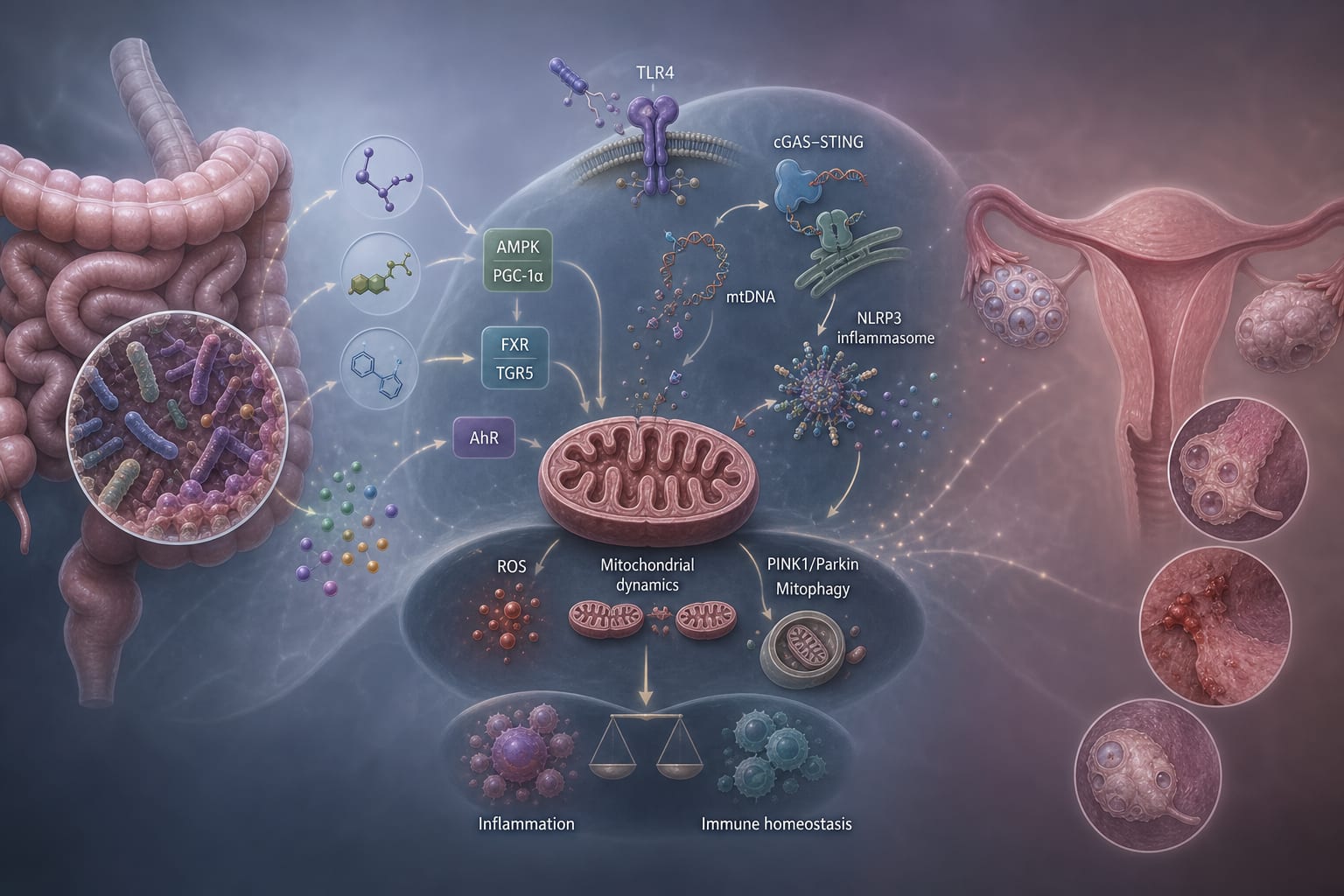
This review explores the gut microbiota–mitochondria axis and its role in gynecological disorders, highlighting the interactions between metabolism, immunity, and endocrine regulation. It discusses disease-specific correlations.
Background
Gynecological disorders such as polycystic ovary syndrome (PCOS), endometriosis, and premature ovarian insufficiency significantly impact women's health and quality of life. Recent research indicates that the interplay between gut microbiota and mitochondrial function is a crucial factor in the pathogenesis of these conditions.
Data Highlights
No specific numerical data or trial data provided in the article.
Key Findings
The gut microbiota–mitochondria axis is a key regulatory mechanism in gynecological diseases.
Intestinal metabolites like short-chain fatty acids (SCFAs) influence mitochondrial function and immune responses.
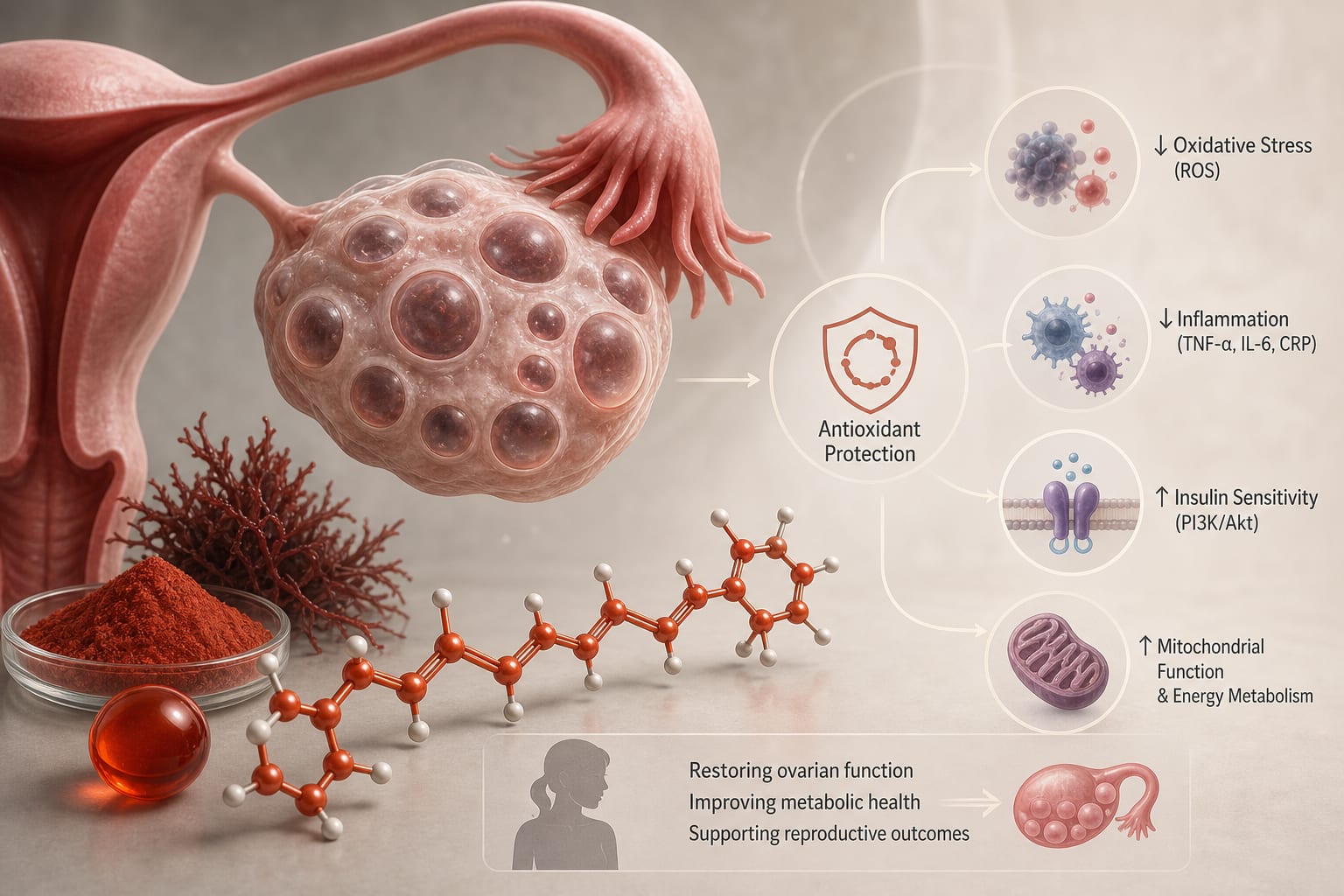
Dysbiosis in gut microbiota is observed in conditions like PCOS, leading to increased oxidative stress and insulin resistance.
Inflammation from mitochondrial DNA can activate the NLRP3 inflammasome, contributing to chronic inflammation in endometriosis.
Targeted interventions focusing on microbiota and mitochondrial function may improve outcomes in gynecological disorders.
Clinical Implications
Clinicians should consider the gut microbiota and mitochondrial function when evaluating and treating gynecological disorders.
Conclusion
The integration of microbiota and mitochondrial research offers insights into the treatment of gynecological disorders.