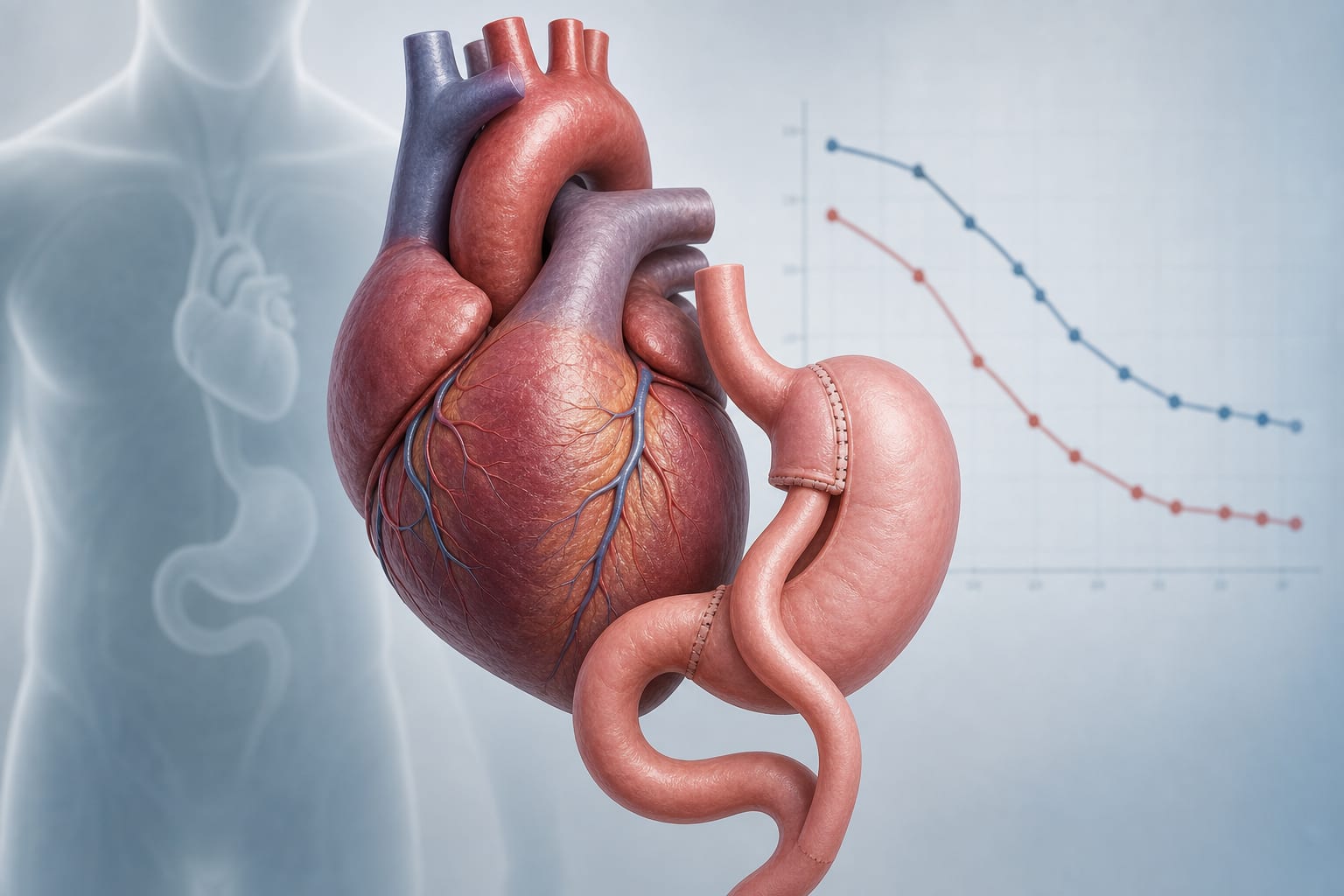
Clinical Report: Psychosocial and Relationship Outcomes After Metabolic and Bariatric Surgery
Overview
Metabolic and bariatric surgery (MBS) effectively induces durable weight loss and improves metabolic health in patients with class III obesity. Beyond physical benefits, MBS significantly impacts psychosocial well-being and interpersonal relationships, with changes in self-esteem, body image, and partner dynamics playing critical roles in postoperative quality of life.
Background
Obesity is a chronic disease characterized by excessive adipose tissue and is a leading cause of morbidity and mortality worldwide. It is classified by BMI into overweight and three obesity classes, with class III obesity (BMI ≥ 40 kg/m²) associated with severe health risks. While pharmacotherapies such as GLP-1 receptor agonists have advanced non-surgical treatment, MBS remains the primary intervention for severe obesity. Psychosocial comorbidities, including mood and anxiety disorders, are highly prevalent in MBS candidates, necessitating integrated mental health screening and support.
Data Highlights
A large meta-analysis found that 50–60% of MBS candidates have at least one current axis-I psychiatric condition, including 30–40% with mood disorders, 15–25% with anxiety disorders, and 8–20% with binge-eating pathology. Pharmacotherapy trials report mean weight loss of approximately 15% at 68 weeks with semaglutide and 15–21% with tirzepatide. ASMBS/IFSO guidelines recommend MBS for adults with BMI ≥ 35 kg/m² or BMI 30–34.9 kg/m² with metabolic disease, with lower BMI thresholds for Asian populations.
Key Findings
MBS produces durable weight loss and improves metabolic parameters, reducing cardiovascular risk.
Postoperative psychosocial changes include improved self-esteem and body image, though some patients experience discordance between external praise and self-perception.
Interpersonal relationships, including family and partner dynamics, often undergo significant transformation after surgery.
Psychiatric comorbidities are common in MBS candidates, highlighting the need for routine mental health screening and integrated care.
Newer endoscopic procedures offer less invasive options but may be less effective for sustained weight loss compared to traditional surgery.
Psychosocial outcomes vary widely across studies, underscoring the importance of individualized follow-up and support.
Clinical Implications
Clinicians should incorporate routine mental health assessments before and after MBS to identify and manage psychiatric comorbidities effectively. Understanding the psychosocial and relational changes patients may experience postoperatively can guide supportive interventions that enhance adherence and quality of life. Multidisciplinary care pathways integrating surgical, psychological, and social support are essential for optimizing patient outcomes.
Conclusion
Metabolic and bariatric surgery not only improves physical health but also profoundly affects psychosocial well-being and interpersonal relationships. Comprehensive care addressing these dimensions is critical to maximizing patient satisfaction and long-term success.
References
ASMBS/IFSO Guidelines 2024 -- Indications for Metabolic and Bariatric Surgery
Meta-analysis 2023 -- Psychiatric Comorbidity in Bariatric Surgery Candidates
Pharmacotherapy Trials 2023 -- Semaglutide and Tirzepatide Weight Loss Outcomes
Obesity Epidemiology 2022 -- Global Burden and Classification