Disentangling on and off-target binding in flortaucipir PET: a voxel-to-voxel P-tau, ferric iron, and MAO-B histology-to-flortaucipir PET comparison - Report - MDSpire
Advertisement
Disentangling on and off-target binding in flortaucipir PET: a voxel-to-voxel P-tau, ferric iron, and MAO-B histology-to-flortaucipir PET comparison
Voxelwise Analysis of Flortaucipir PET Binding to Tau, Iron, and MAO-B in Neurodegeneration
Overview
This study used a novel voxel-to-voxel correlation method to analyze Flortaucipir PET signals in relation to phospho-tau, ferric iron, and MAO-B histology in postmortem brains. Findings highlight distinct contributions of tau pathology and off-target binding substrates, such as ferric iron and MAO-B, across Alzheimer's disease and other tauopathies.
Background
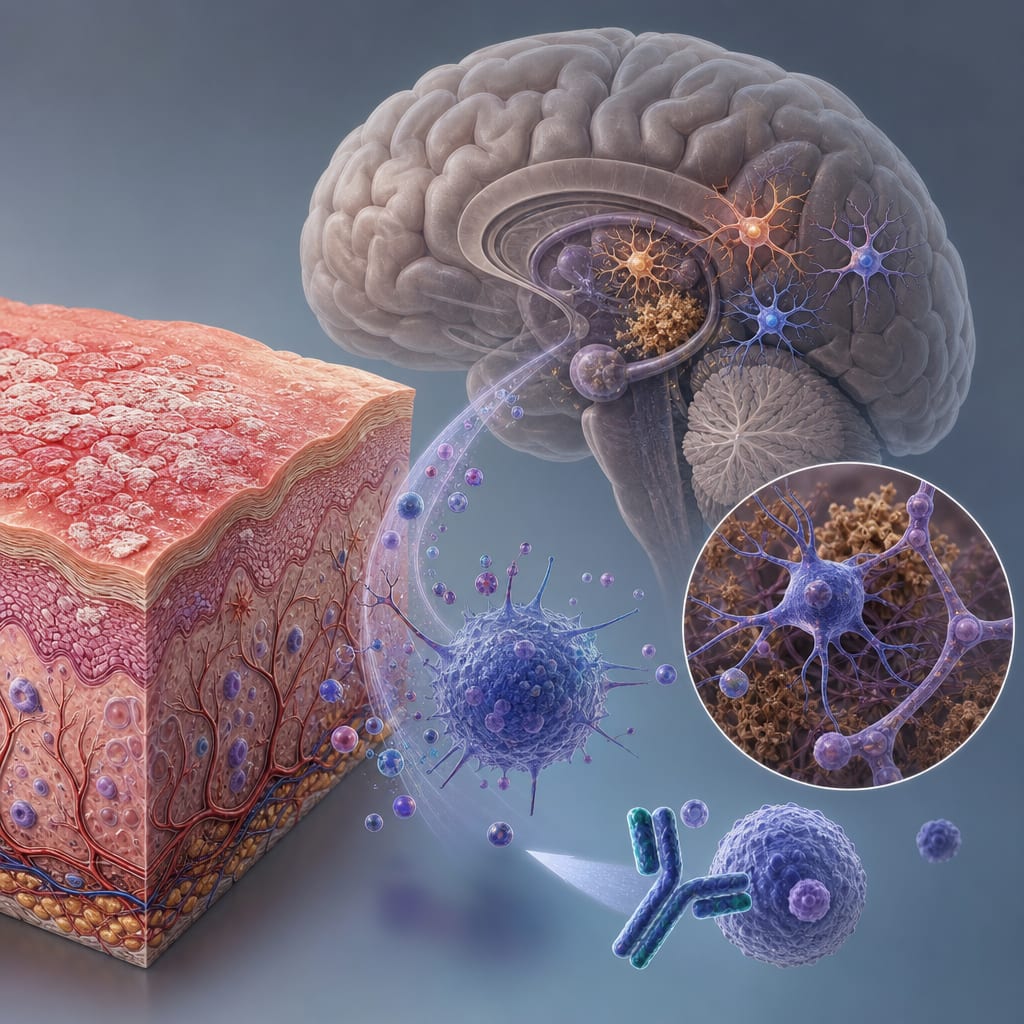
Neurodegenerative disorders, including Alzheimer's disease (AD) and other tauopathies, are characterized by abnormal tau protein accumulation leading to dementia. Flortaucipir PET imaging enables in vivo detection of tau pathology but is complicated by off-target binding in regions like the basal ganglia and substantia nigra. Ferric iron accumulation and MAO-B expression have been implicated as potential sources of off-target Flortaucipir retention, but their relative contributions remain unclear. This study aimed to clarify these relationships using advanced histological and imaging correlation techniques.
Data Highlights
The study included five subjects with diverse neuropathological diagnoses: AD (3R/4R tauopathy), corticobasal degeneration (CBD, 4R tauopathy), progressive supranuclear palsy (PSP, 4R tauopathy), FTLD with MAPT mutation (4R tauopathy), and FTLD-TDP type A (non-tauopathy). PET-to-autopsy intervals ranged from 0.75 to 4.16 years. Postmortem neuropathological assessments followed standardized guidelines. A convolutional neural network (CNN)-based method enabled voxelwise correlation of Flortaucipir PET signal with quantitative histology for phospho-tau, ferric iron, and MAO-B from the same individuals.
Key Findings
Flortaucipir PET signal strongly correlates with phospho-tau pathology in AD and other tauopathies, confirming on-target binding.
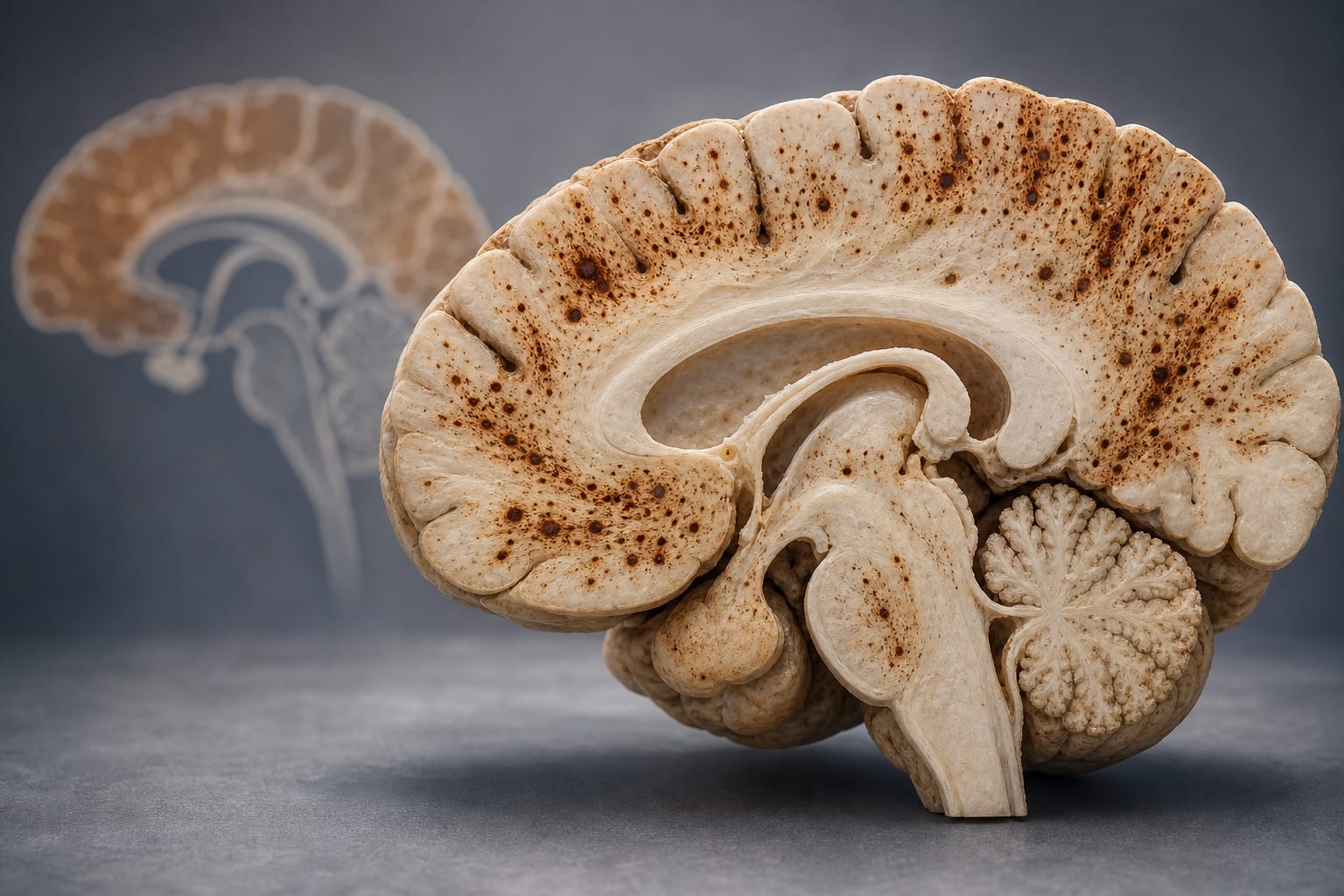
Off-target Flortaucipir retention in basal ganglia and related regions overlaps spatially with ferric iron accumulation, suggesting iron contributes to non-tau binding.
MAO-B, enriched in reactive astrocytes, shows variable association with Flortaucipir signal; in vivo evidence suggests limited impact on typical clinical interpretation.
Non-tauopathy cases (e.g., FTLD-TDP) exhibit elevated Flortaucipir retention in regions lacking tau but with increased ferric iron or astrogliosis, indicating off-target binding substrates.
The voxelwise CNN-based approach enables precise spatial mapping of PET signal to histological substrates, improving understanding of tracer binding specificity.
Clinical Implications
Clinicians should interpret Flortaucipir PET signals with awareness of potential off-target binding, especially in regions prone to ferric iron accumulation or astrogliosis. This understanding can improve diagnostic accuracy and disease monitoring by distinguishing true tau pathology from confounding signals. The findings support cautious use of Flortaucipir PET in non-AD tauopathies and conditions with prominent neuroinflammation.
Conclusion
This study elucidates the complex neurobiological substrates of Flortaucipir PET signals, demonstrating both on-target tau binding and off-target contributions from ferric iron and MAO-B. Advanced voxelwise correlation methods enhance interpretation of tau PET imaging in neurodegenerative diseases.
References
Baker, Harrison et al. -- MAO-B and Flortaucipir Binding
University of California, San Francisco Memory and Aging Center -- Neurodegenerative Disease Brain Bank
AD Research Center (ADRC) -- Neuropathological Assessment Guidelines
by Yuheng Chen, Renaud La Joie, Felipe L. Pereira, Ganna Blazhenets, Lucile Zhu, Salvatore Spina, William W. Seeley, Helmut Heinsen, Daniela Ushizima, Duygu Tosun, Gil D. Rabinovici, Lea T. Grinberg