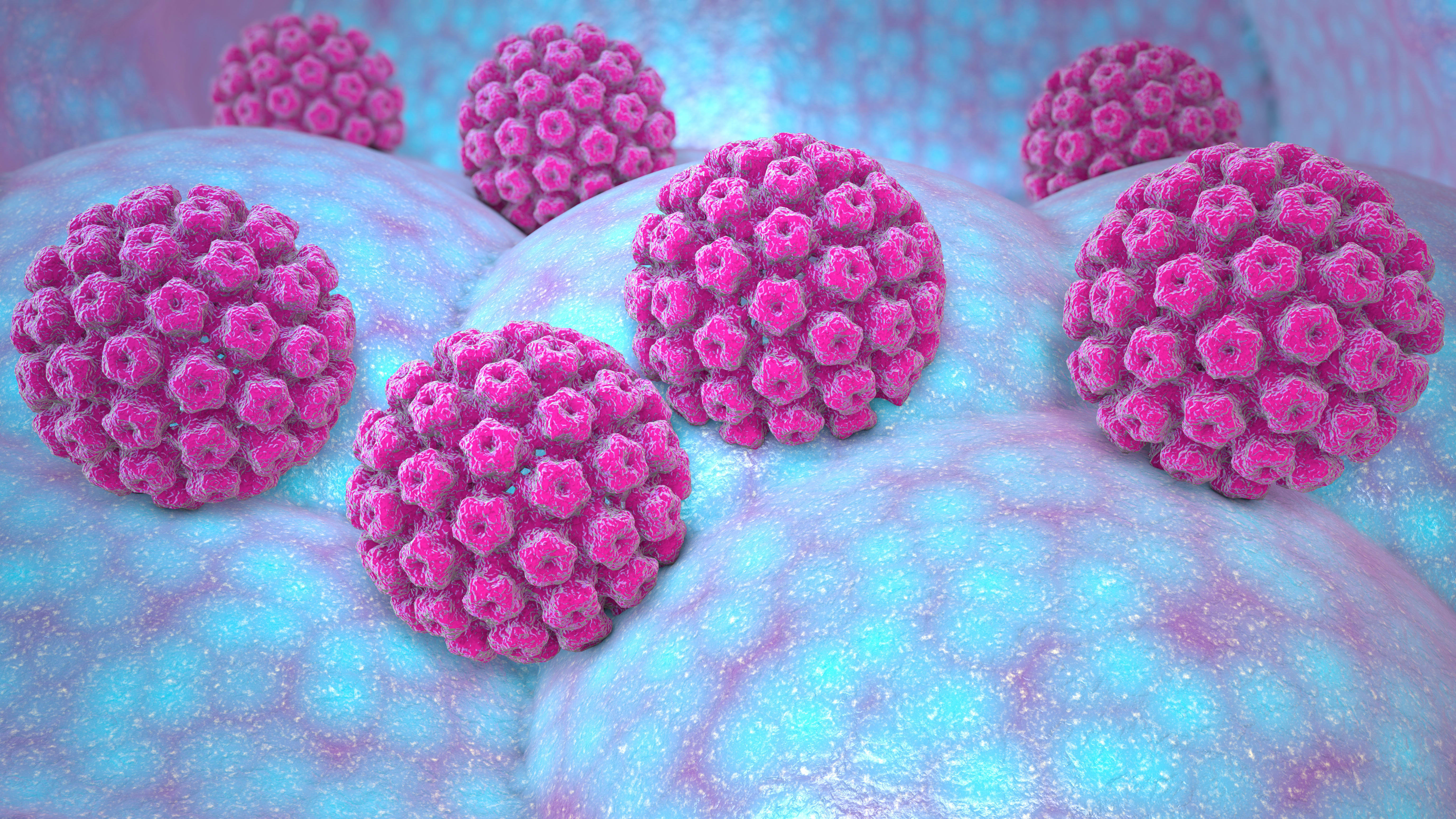
Clinical Report: HPV Vaccine Delays Persist in Teens
Overview
A study reveals that 12% of adolescents remain unvaccinated against HPV prior to sexual debut, highlighting missed opportunities for cancer prevention. The findings suggest that improved vaccination strategies and clinic workflows are necessary to enhance timely vaccine uptake.
Background
Human papillomavirus (HPV) vaccination is crucial for preventing HPV-related cancers, particularly when administered before the onset of sexual activity. Despite the known benefits, vaccination rates among adolescents remain suboptimal, with significant disparities observed based on demographic and practice-level factors. Understanding the barriers to vaccination can inform strategies to improve uptake and ultimately reduce cancer incidence.
Data Highlights
| Vaccination Status | Percentage |
|---|---|
| Completed series prior to sexual debut | 79% |
| Initiated but not completed | 9% |
| Unvaccinated prior to sexual activity | 12% |
| Unvaccinated who later initiated vaccination | 23% |
| Unvaccinated who later completed the series | 7% |
Key Findings
- 79% of adolescents completed the HPV vaccination series before sexual debut.
- 12% of adolescents were unvaccinated prior to sexual activity, representing missed opportunities for cancer prevention.
- 70% of those unvaccinated prior to sexual debut remained unvaccinated later.
- Missed opportunities were more common among non-Hispanic White and commercially insured adolescents.
- Clinics initiating HPV vaccination at age 9 had lower rates of missed opportunities.
- Factors such as physician recommendations and clinic processes significantly influence vaccination rates.
Clinical Implications
Healthcare providers should prioritize early HPV vaccination and enhance communication strategies to encourage timely immunization among adolescents. Standardizing clinic workflows may also help reduce missed opportunities for vaccination.
Conclusion
The study underscores the importance of early HPV vaccination and the need for improved clinical practices to enhance vaccine uptake among adolescents, ultimately aiding in cancer prevention efforts.
Related Resources & Content
- CDC Recommends Only Two HPV Shots for Younger Adolescents, The ASCO Post, 2016 -- CDC Recommendations
- Study Shows HPV Vaccine Reduced Rate of Infection in Teenage Girls by 56%, The ASCO Post, 2013 -- Vaccine Effectiveness
- SIDEBAR: HPV Vaccine Reduces HPV Infection Rate in Girls, The ASCO Post, 2013 -- Infection Rate Reduction
- Advisory Committee on Immunization Practices Recommended Immunization Schedule for Children and Adolescents Aged 18 Years or Younger, MMWR, 2025 -- Immunization Schedule
- Vaccination Coverage Among Adolescents Aged 13–17 Years, National Immunization Survey-Teen, United States, 2024 | MMWR
- The ASCO Post — Organizations Issue Statement Encouraging Return to HPV Vaccination
- Advisory Committee on Immunization Practices Recommended Immunization Schedule for Children and Adolescents Aged 18 Years or Younger — United States, 2025 | MMWR
- Final analysis of a 14-year long-term follow-up study of the effectiveness and immunogenicity of the quadrivalent human papillomavirus vaccine in women from four nordic countries - PMC
- Vaccination Coverage Among Adolescents Aged 13–17 Years — National Immunization Survey-Teen, United States, 2024 | MMWR
Based on findings from:
HPV Vaccine Delays Persist in Teens
Conexiant News Staff. Conexiant, 2026.
https://conexiant.com/pediatrics/articles/hpv-vaccine-delays-persist-in-teens/
This content is an AI-generated, fully rewritten summary based on a published scholarly article. It does not reproduce the original text and is not a substitute for the original publication. Readers are encouraged to consult the source for full context, data, and methodology.