Metabolic sovereignty through oxidative hostility: a mechanistic perspective on how cancer engineers stromal dependency via ROS-mediated lysosomal reprogramming - Report - MDSpire
Advertisement
Metabolic sovereignty through oxidative hostility: a mechanistic perspective on how cancer engineers stromal dependency via ROS-mediated lysosomal reprogramming
Clinical Report: Harnessing Metabolic Control through Oxidative Stress
Background
Understanding the tumor microenvironment (TME) is crucial as it plays a significant role in cancer progression and treatment resistance. The metabolic alterations within the TME, driven by cancer cells, can suppress immune responses, complicating the effectiveness of immunotherapies. This report explores the mechanisms by which cancer cells utilize reactive oxygen species (ROS) to reprogram stromal cells, particularly cancer-associated fibroblasts (CAFs), to support tumor growth. [Cite relevant studies to support these claims.]
Data Highlights
No numerical data or trial data available in the source material, which limits the ability to quantify findings.
Key Findings
Cancer cells generate superoxide through NADPH oxidase upregulation and mitochondrial respiration. [Cite source]
Superoxide is converted to hydrogen peroxide, which permeates stromal cell membranes and triggers lysosomal alterations. [Cite source]
Hydrogen peroxide induces lysosomal membrane permeabilization, releasing catalytic iron that activates Fenton chemistry. [Cite source]
This cascade leads to a shift in CAF metabolism towards fatty acid oxidation, producing metabolites that fuel tumor growth. [Cite source]
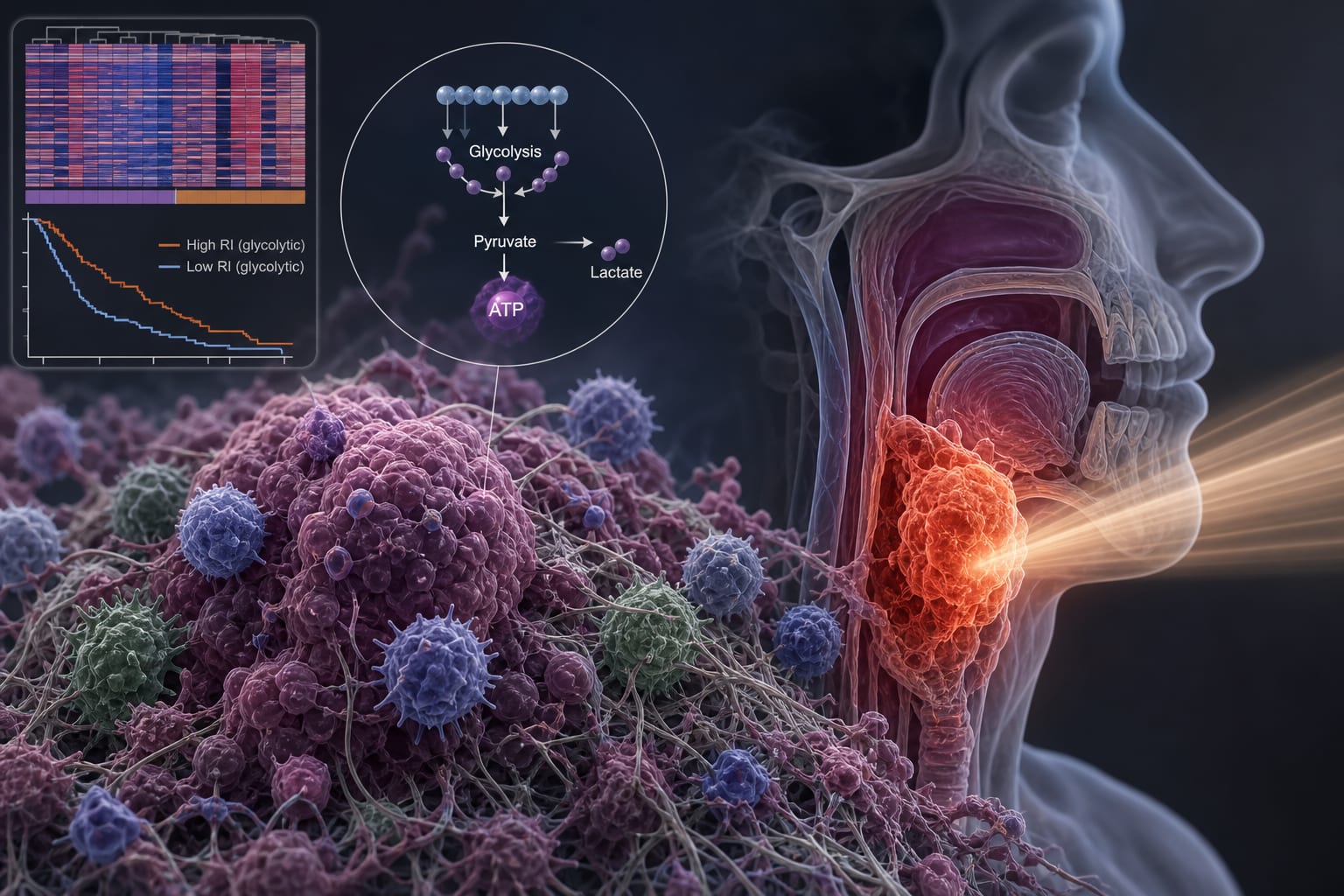
The resulting lactate-enriched, acidic microenvironment is hostile to immune function. [Cite source]
Targeting stromal metabolic engineering in combination with checkpoint blockade may address immunotherapy resistance. [Cite source]
Clinical Implications
The findings emphasize the importance of understanding the metabolic alterations in the TME when considering immunotherapy strategies.