Clinical Report: Exploring the Role of PCSK9 Inhibitors in Cancer Therapy
Overview
Revise to include specific sources for preliminary findings and details on ongoing trials.
Background
Immune checkpoint inhibitors have transformed cancer therapy, yet many patients experience resistance or lack of response. PCSK9 inhibitors, already approved for cardiovascular indications, may offer a novel approach to enhance antitumor immunity and improve outcomes for patients undergoing ICI therapy. Understanding their role could address significant gaps in current cancer treatment strategies.
Data Highlights
No numerical data available in the provided source material.
Key Findings
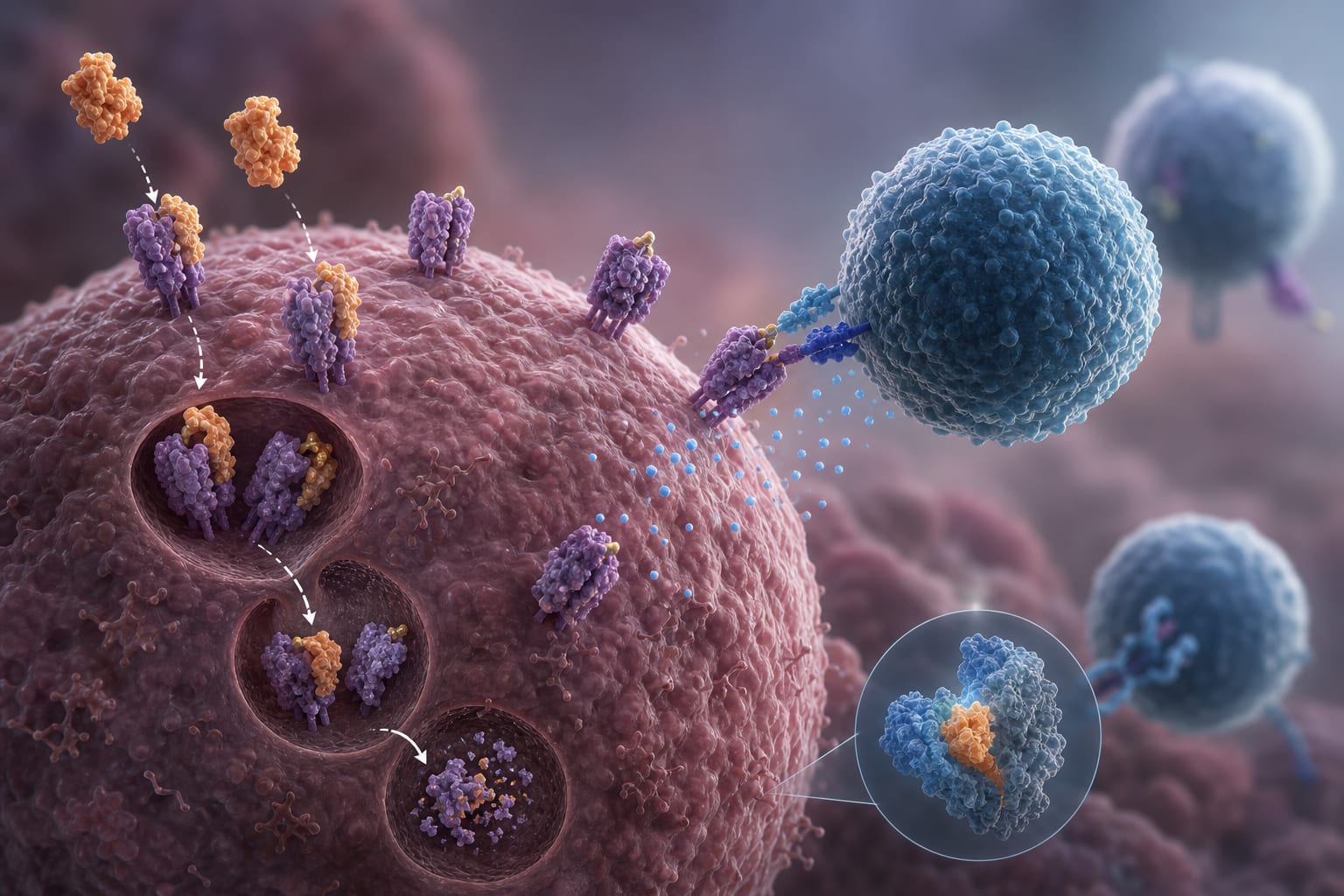
PCSK9 inhibition may enhance tumor antigen presentation and T-cell activity.
PCSK9Is are FDA-approved for lowering LDL cholesterol and improving cardiovascular outcomes.
Ongoing trials are evaluating the combination of PCSK9Is with ICIs in various cancers.
The study utilized a large electronic health record database to assess outcomes in patients receiving ICIs with PCSK9Is versus high-intensity statins.
Primary outcomes included overall survival and major adverse cardiovascular events (MACE).
Clinical Implications
The findings suggest that PCSK9 inhibitors could be a valuable adjunct to immune checkpoint therapy, potentially improving patient outcomes. Clinicians should consider the implications of these findings in managing patients with elevated cardiovascular risk undergoing cancer treatment.
Conclusion
Highlight specific future research directions and potential clinical guidelines.