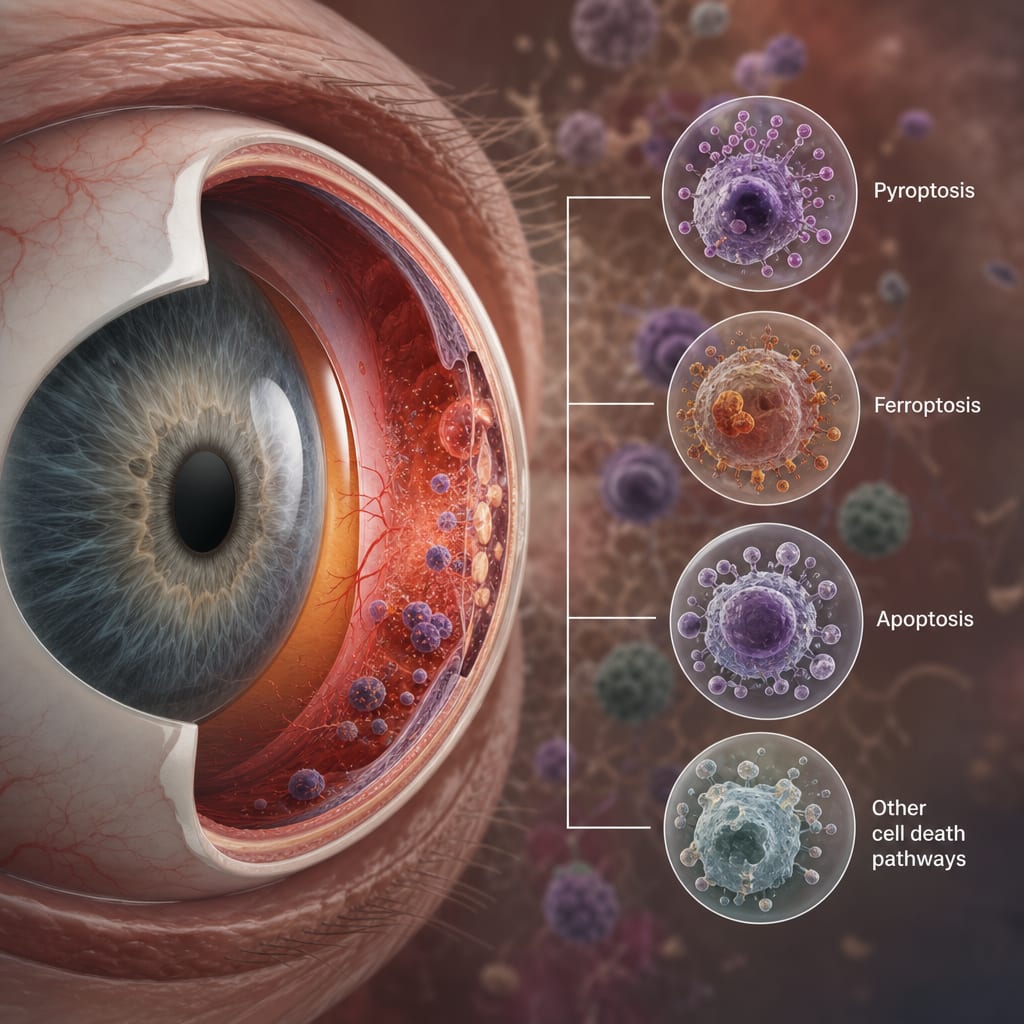
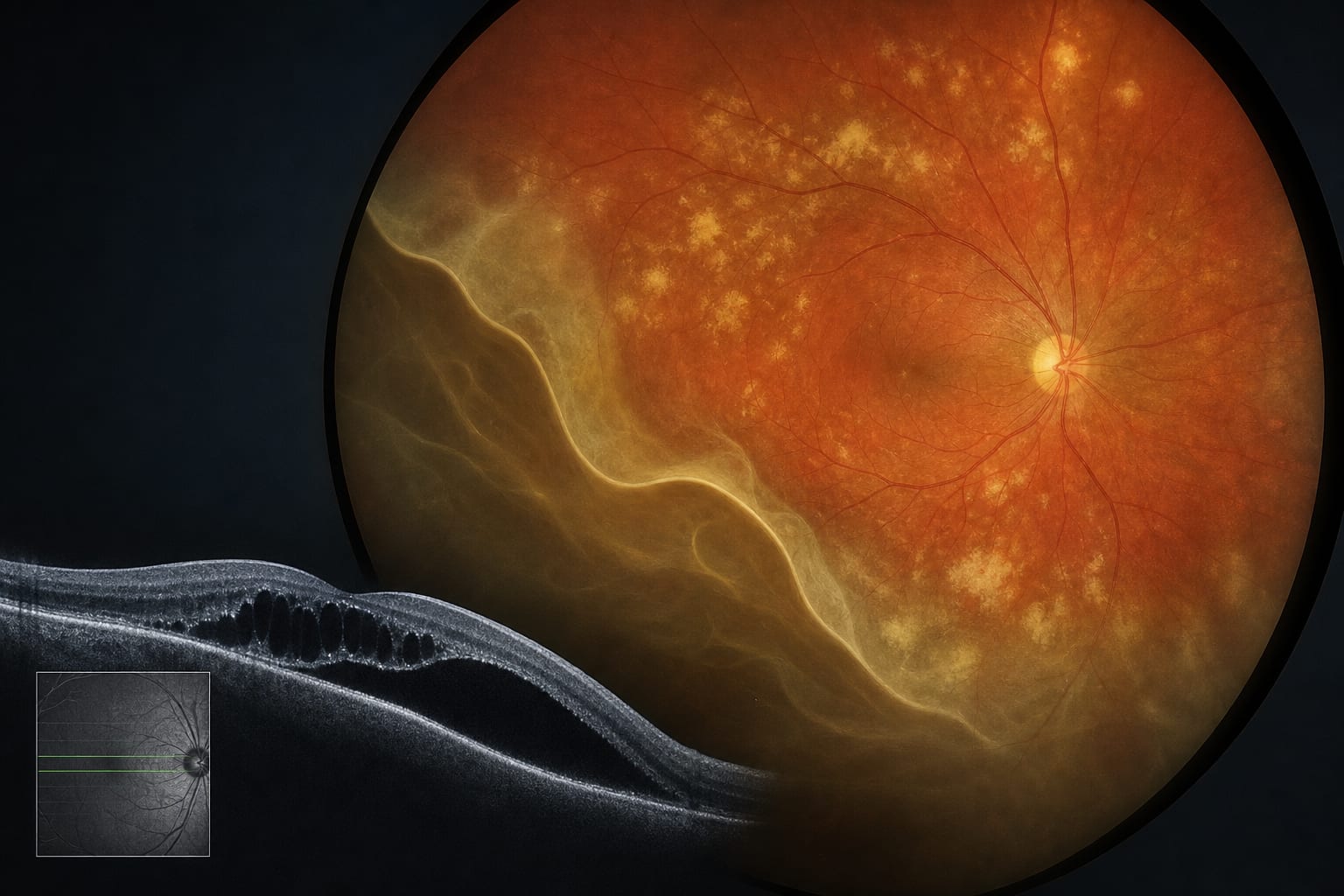
Clinical Report: Mechanisms of Cell Death in Uveitis: Exploring Pyroptosis, Ferroptosis, Apoptosis, and More
Overview
This report reviews the various mechanisms of cell death involved in uveitis, highlighting their roles in disease pathogenesis and potential therapeutic targets. The findings emphasize the dual role of cell death pathways in both promoting inflammation and facilitating resolution in uveitis.
Background
Uveitis is a significant cause of vision loss due to intraocular inflammation, influenced by multiple factors including autoimmune and infectious processes. Understanding the mechanisms of cell death is crucial for developing targeted therapies and improving patient outcomes. This review provides insights into how different forms of cell death contribute to uveitis pathology and treatment strategies.
Data Highlights
No numerical data presented in the article.
Key Findings
Pyroptosis and necroptosis are linked to immune responses and tissue damage in uveitis.
Ferroptosis and NETosis promote Th17 cell activation, exacerbating uveitis.
Apoptosis is essential for the resolution of uveitis but can contribute to disease progression when immune homeostasis is disrupted.
Autophagy regulates various cell death pathways, and its impairment is associated with aggravated uveitis.
Targeting cell death pathways may lead to the development of uveitis-specific biomarkers and personalized therapies.
Clinical Implications
Clinicians should consider the role of different cell death mechanisms when evaluating uveitis patients and developing treatment plans. Targeting specific pathways may enhance therapeutic efficacy and reduce inflammation, paving the way for personalized medicine approaches in uveitis management.
Conclusion
The review underscores the complexity of cell death mechanisms in uveitis and their potential as therapeutic targets. Further research is needed to translate these findings into clinical practice.