Clinical Report: Alterations in the Gut Microbiome and Their Influence on Cancer
Overview
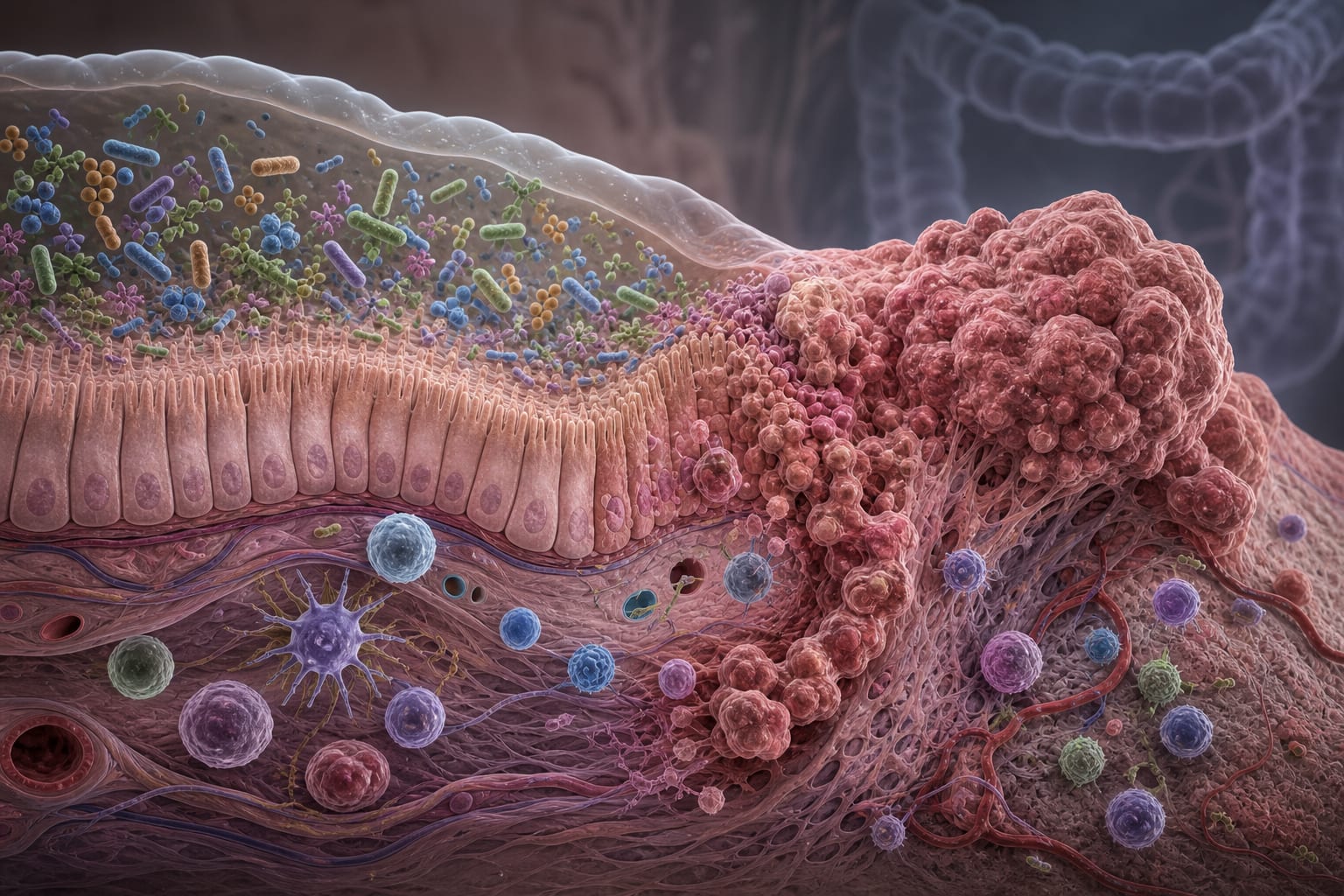
This review discusses the role of gut microbiome dysbiosis in cancer development and treatment response. It highlights mechanisms linking dysbiosis to oncogenic transformation.
Background
The gut microbiome is essential for maintaining host health, influencing nutrient metabolism, immune function, and pathogen defense. Dysbiosis, or microbial imbalance, can contribute to various diseases, including cancer. Understanding the microbiome's role in cancer initiation and progression is crucial.
Data Highlights
No numerical data or trial data provided in the source material.
Key Findings
Dysbiosis can promote tumor development through mechanisms such as chronic inflammation and immune suppression.
Microbiome-targeting strategies, including dietary modulation and probiotics, are being explored for restoring microbial homeostasis.
Advances in microbial genomics and metabolomics aid in identifying biomarkers for cancer risk.
Challenges in translating microbiome research into clinical practice include interindividual variability and lack of standardized interventions.
Clinical Implications
Healthcare professionals should consider the gut microbiome's influence on cancer progression and treatment response.
Conclusion
Understanding the interplay between the gut microbiome and cancer is important for future research.
Dana-Farber Cancer Institute's Dr. Sara Tolaney presented a subgroup analysis of the ASCENT-04 study based on biomarkers. Across all subgroups, patients who received sacituzumab govitecan plus pembro as first-line therapy had longer progression-free survival compared to standard therapy.
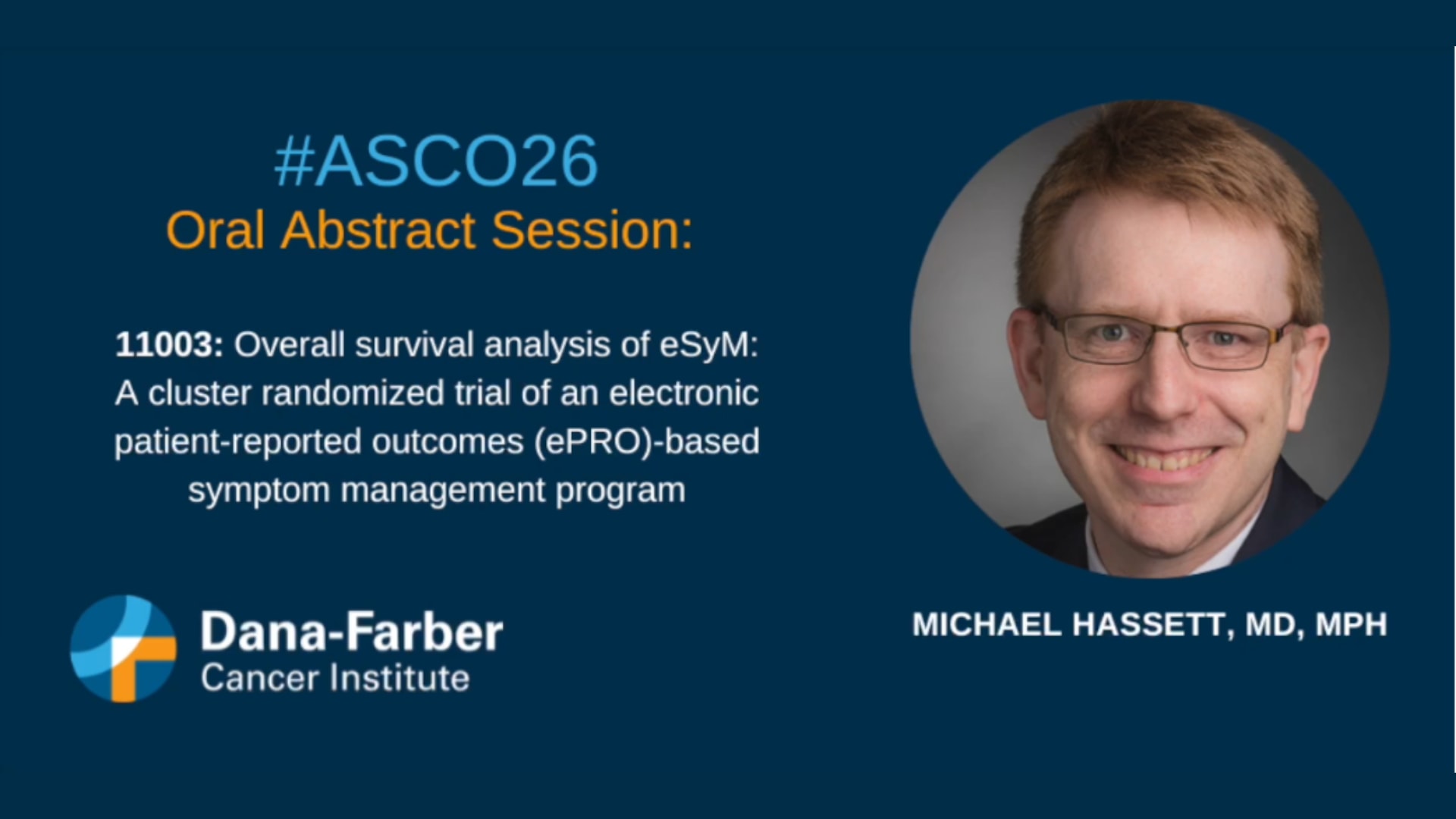
Dr. Michael Hassett of Dana-Farber Cancer Institute shared new findings showing deployment of eSyM, an ePRO-based, EHR-integrated symptom management program, was associated with statistically significant and potentially meaningful improvements in overall survival. Strategies to improve adoption of ePRO-based symptom management may be warranted.