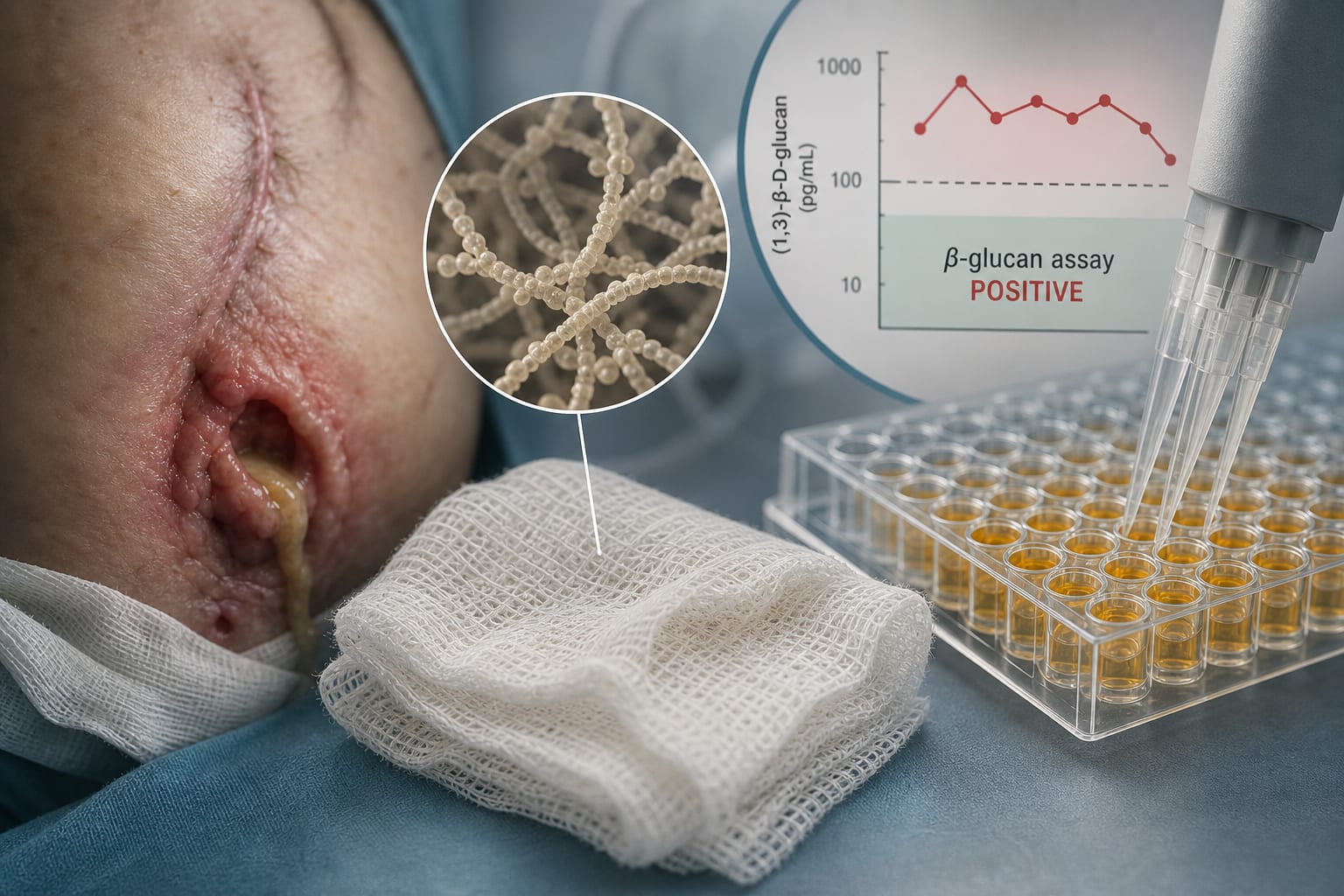
Clinical Report: Immune System Reactions in Patients Experiencing Infections Following Spine Surgery
Overview
This study investigates immune cell profile changes in patients who developed infections after spine surgery compared to those without infections. Significant differences were observed in various immune cell types.
Background
Surgical site infections (SSIs) are serious complications following spine surgery, leading to increased morbidity and healthcare costs. This study aims to elucidate the immune cell alterations associated with postoperative infections.
Data Highlights
Immune Cell Type
Infection Group (I)
Non-Infection Group (NI)
p-value
Natural Killer Cells
Decreased
Normal
0.0043
Monocytes
Decreased
Normal
0.0357
Th17 Cells
Increased
Normal
0.0152
B Cells
Increased
Normal
0.0305
HLA-DR+ CD4+ T Cells
Increased
Normal
0.0032
Key Findings
46 immune cell clusters identified, with 30 showing significant differences between infection and non-infection groups.
Natural killer cells and monocytes were significantly decreased in patients with infections.
Th17, B cells, and HLA-DR+ CD4+ T cells were significantly increased in patients with infections.
ROC curve analysis indicated potential for differentiating between infection and non-infection groups based on immune cell counts.
Clinical Implications
The findings suggest that monitoring specific immune cell profiles could aid in the early detection of infections following spine surgery. Further research may enhance understanding of immune activation and exhaustion in this context.
Conclusion
This study highlights significant alterations in immune cell profiles in patients with surgical site infections.
by Fehrenbach, Pia , Lang, Siegmund , Gocević, Maja , Kwant, Puk , Haschtmann, Daniel , Fekete, Tamas F., Menzel, Ursula , De Jong, Esther Christina, Moriarty, Fintan Thomas, Grad, Sibylle , Loibl, Markus