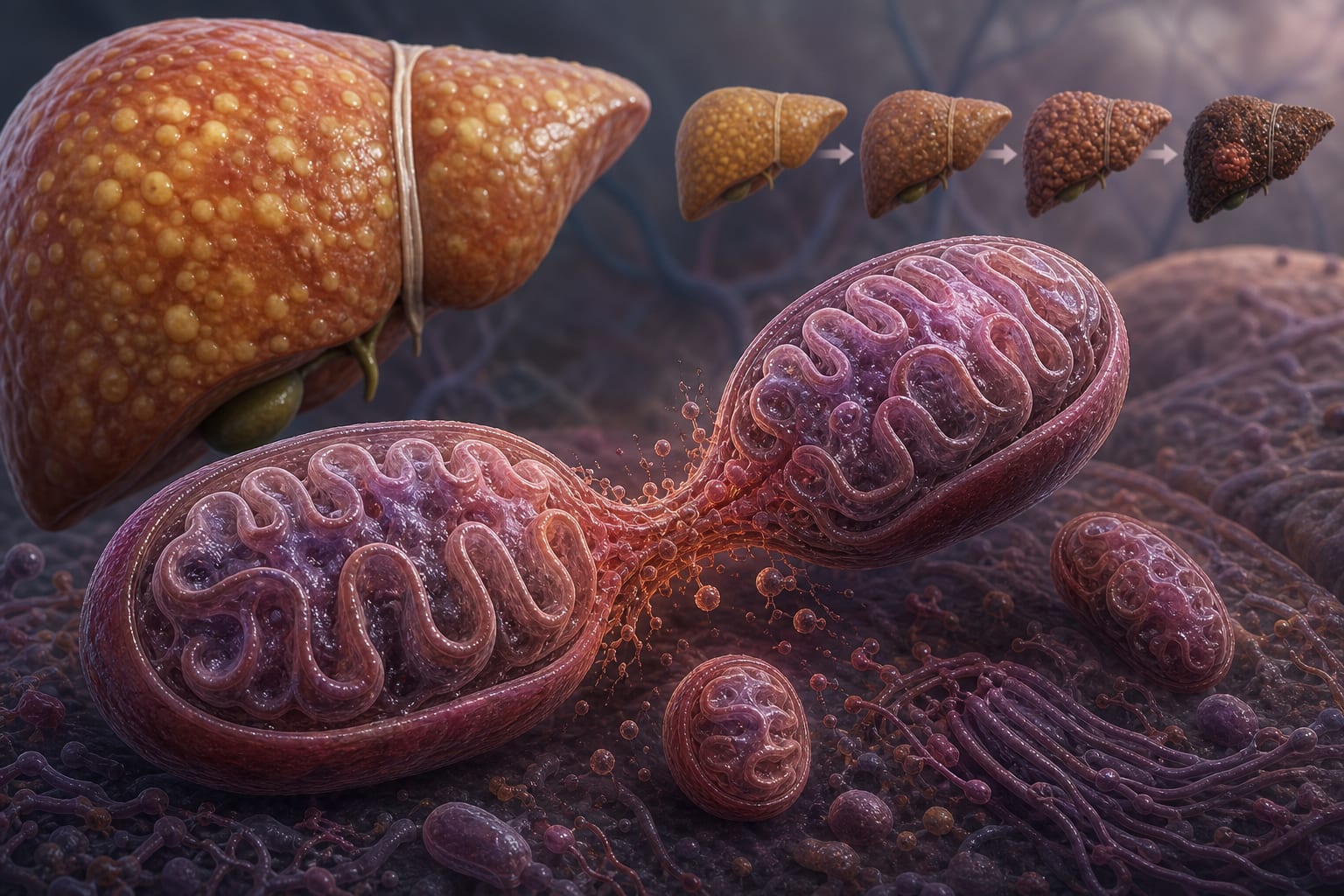
Clinical Report: Modulating Macrophage Activity in Hepatic Fibrosis
Overview
This report discusses the role of macrophages in hepatic fibrosis, highlighting their potential for therapeutic modulation. Recent findings suggest that reprogramming macrophages towards restorative phenotypes may facilitate fibrosis resolution.
Background
Hepatic fibrosis is a significant endpoint of chronic liver diseases, contributing to organ dysfunction and a major public health burden. Macrophages play a crucial role in the fibrotic process, influencing both fibrogenesis and resolution. Understanding their dynamic behavior and activation states is essential for developing effective anti-fibrotic therapies.
Data Highlights
No specific numerical data provided in the article.
Key Findings
Macrophages exhibit heterogeneity and plasticity, adapting to various tissue environments.
Hepatic macrophages can adopt diverse activation states beyond the classical M1/M2 paradigm.
Reprogramming macrophages towards restorative phenotypes is linked to enhanced efferocytosis and reduced inflammation.
Current therapeutic strategies are shifting towards promoting pro-resolution programs rather than merely inhibiting monocyte recruitment.
Macrophage-based therapies are emerging as promising approaches for reversing liver fibrosis.
Clinical Implications
Clinicians should consider the role of macrophages in liver fibrosis when developing treatment plans. Targeting macrophage activity may enhance the effectiveness of existing therapies and promote liver health in patients with chronic liver diseases.
Conclusion
Macrophages are central to the pathophysiology of hepatic fibrosis, and their modulation presents a novel therapeutic avenue. Continued research into macrophage-targeted strategies may lead to significant advancements in the management of liver fibrosis.