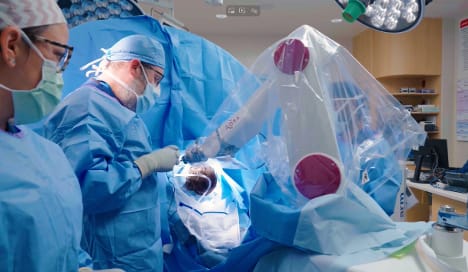
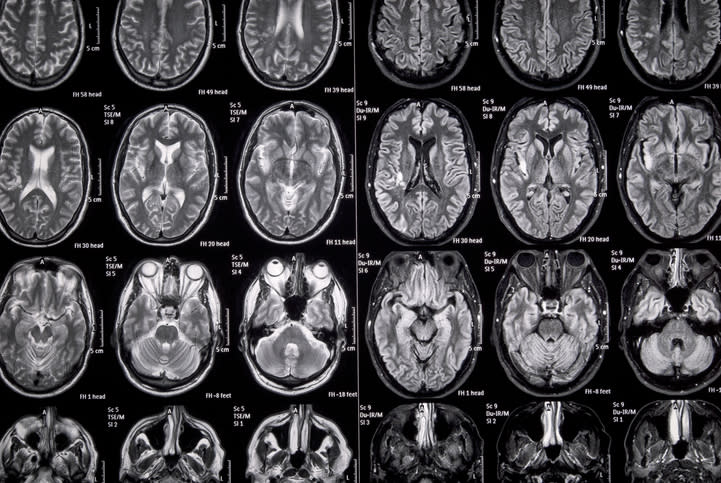
Enhancing Precision in Pediatric Neurosurgery: Advanced Robotics Integration with LITT
-
November 25, 2025
Clinical Report: Enhancing Precision in Pediatric Neurosurgery with Robotics
Overview
The integration of advanced robotics into Laser Interstitial Thermal Therapy (LITT) enhances surgical accuracy in pediatric neurosurgery. This approach allows for precise targeting of lesions, resulting in reduced operative time and improved safety profiles for conditions such as epilepsy and brain tumors.
Background
Minimally invasive neurosurgical techniques are crucial for treating pediatric patients with deep-seated or difficult-to-access lesions. The combination of robotic navigation and thermal ablation capabilities represents a significant advancement in image-guided care. This integration not only improves surgical outcomes but also aligns with evolving guidelines that support minimally invasive approaches in pediatric neurosurgery.
Data Highlights
No numerical data available in the source material.
Key Findings
- Robotic integration in LITT procedures enhances surgical accuracy through real-time stereotactic guidance.
- Minimally invasive techniques reduce operative time and improve safety profiles for pediatric patients.
- Recent meta-analyses indicate LITT achieves seizure-free rates of 74%-77% in drug-resistant epilepsy cases.
- Pediatric CNS tumor studies show LITT results in mass reduction in 68.8% of cases with a low rate of permanent neurological deficits.
- Greater ablation extent in LITT correlates with a lower need for secondary surgeries.
Clinical Implications
Healthcare professionals should consider the integration of robotic assistance in LITT procedures for pediatric patients, particularly for challenging lesions. The favorable outcomes associated with this approach may lead to broader adoption and refinement of surgical techniques in pediatric neurosurgery.
Conclusion
The advancement of robotic technology in pediatric neurosurgery represents a promising development in enhancing surgical precision and patient safety. Continued research and clinical trials will further establish the efficacy of these techniques.
Related Resources & Content
- Gajjar A, JNCCN, 2025 -- NCCN Pediatric CNS Cancers Guidelines
- O'Leary S, PubMed, 2025 -- Stereotactic laser ablation for pediatric CNS tumors
- PubMed, 2023 -- The safety, accuracy, and feasibility of robotic assistance in neuro-oncological surgery
- Innovative Techniques in Robot-Assisted Deep Brain Stimulation: Utilizing Intraoperative CT Imaging and Frameless Registration for Enhanced Precision
- Usability Assessment of Robotic-Assisted Laminectomy with MINARO DRS
- Robotic Arm Utilization for Patient Positioning in Extended Reality Surgical Environments
- Retinal Physician — Robotic Technology for Retinal Surgery
- Innovative Techniques in Robot-Assisted Deep Brain Stimulation
- Usability Assessment of Robotic-Assisted Laminectomy with MINARO DRS
- Robotic Arm Utilization for Patient Positioning in Extended Reality Surgical Environments
- JNCCN2303GLS_proof.pdf
- Stereotactic laser ablation for pediatric central nervous system tumors: a systematic review and meta-analysis of the literature - PubMed
- The safety, accuracy, and feasibility of robotic assistance in neuro-oncological surgery - PubMed
This content is an AI-generated, fully rewritten summary based on a published scholarly article. It does not reproduce the original text and is not a substitute for the original publication. Readers are encouraged to consult the source for full context, data, and methodology.