Clinical Report: Epstein-Barr Virus-Related Gastric Carcinoma Post-Bariatric Surgery
Background
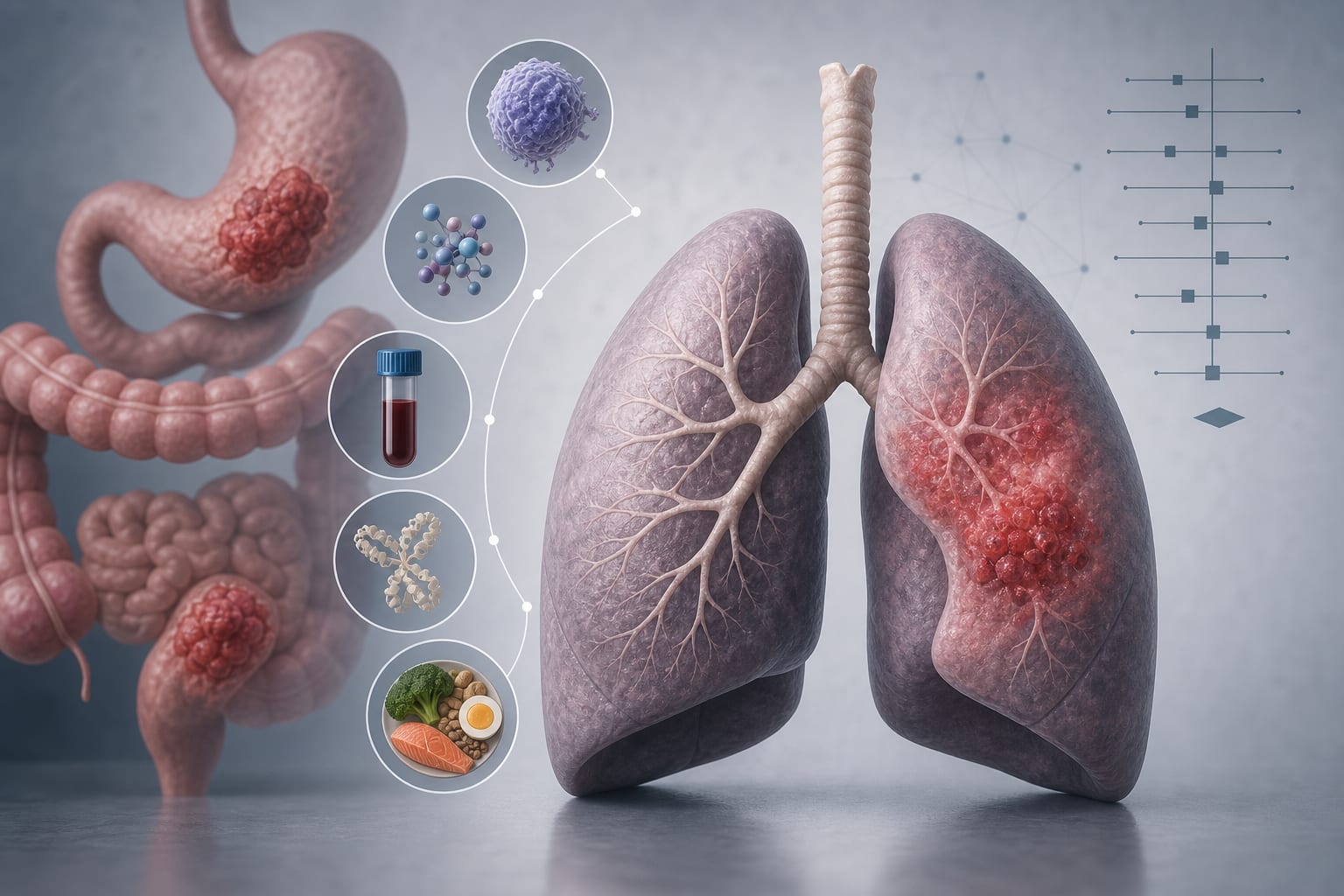
Epstein-Barr virus (EBV) is a common virus linked to various malignancies, including gastric cancer. Gastric carcinoma associated with EBV represents a distinct subtype, accounting for a notable percentage of gastric cancer cases. Understanding the implications of metabolic bariatric surgery on gastric cancer risk is crucial, especially given the anatomical and metabolic changes that occur post-surgery.
Data Highlights
Parameter
Pre-Surgery
3 Months Post-Surgery
Prior to Cancer Surgery
FPG
Value
Value
Value
HbA1c
Value
Value
Value
BMI
40.19 kg/m2
Value
Value
Key Findings
A 62-year-old male developed EBVaGC one year after undergoing single anastomosis sleeve ileal bypass (SASI).
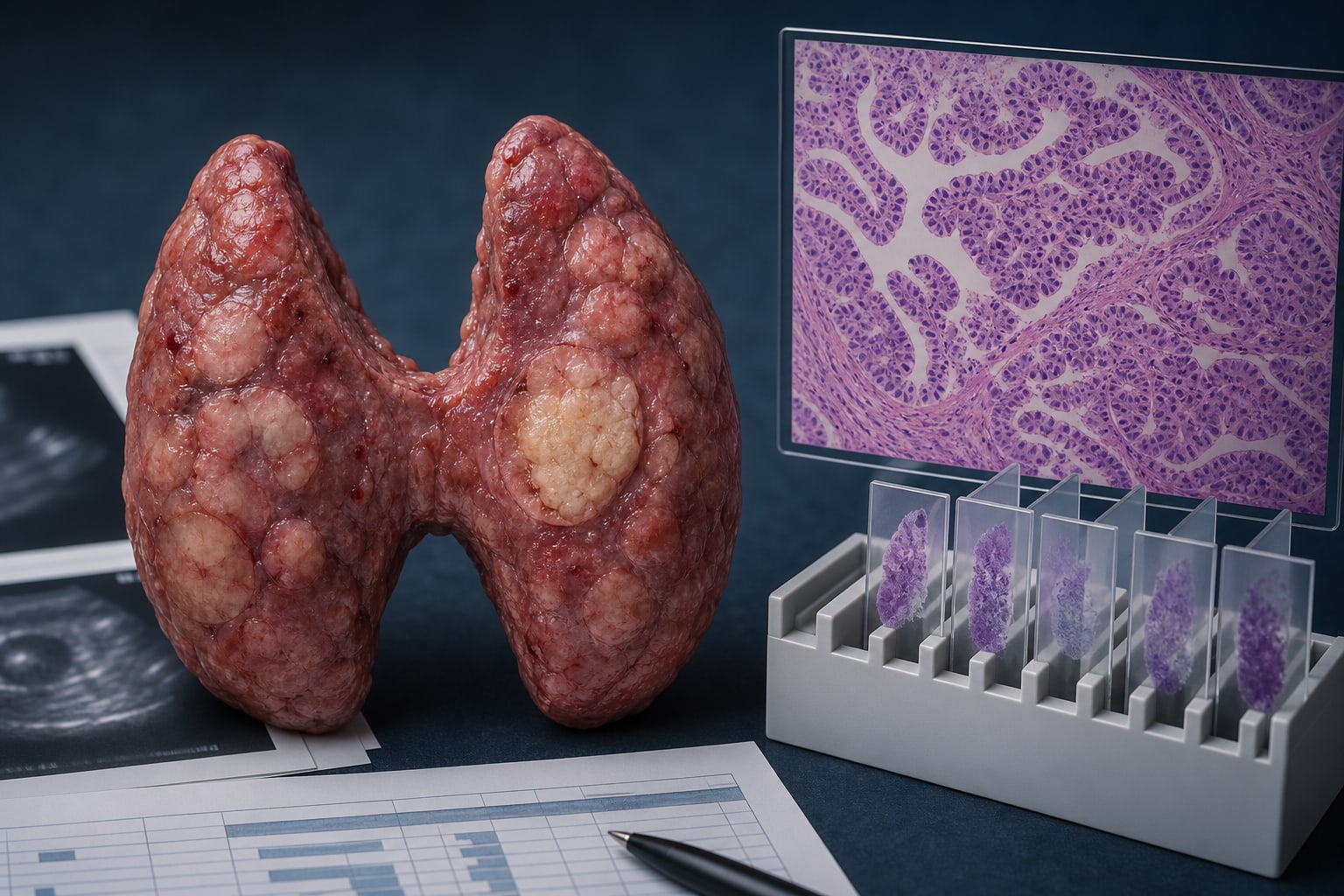
The patient presented with a 1.2 × 1.0 cm ulcer in the gastric body, which was confirmed as adenocarcinoma.
Biopsy results showed negative Helicobacter pylori status and positive EBER in situ hybridization for EBV.
Targeted sequencing identified an ARID1A truncating mutation and CCND1 amplification.
The patient remained disease-free at 8 months post-surgery.
Routine gastroscopic assessment at approximately 1 year post-MBS may be beneficial for evaluating gastric mucosal health.
Clinical Implications
This case underscores the necessity for vigilant post-operative monitoring for gastric lesions in patients who have undergone metabolic bariatric surgery. Incorporating EBER-ISH and molecular stratification in evaluations of suspicious gastric lesions may enhance diagnostic accuracy.
Conclusion
The occurrence of EBVaGC following metabolic bariatric surgery highlights the need for tailored surveillance strategies in this patient population. Further studies are warranted to understand the relationship between bariatric surgery and gastric cancer risk.