Target receptor expression dictates the selective intra-tumoral targeting of CD8+ T cells by eciskafusp alfa in matched PBMCs and TILs from CPI-naïve patients - Report - MDSpire
Advertisement
Target receptor expression dictates the selective intra-tumoral targeting of CD8+ T cells by eciskafusp alfa in matched PBMCs and TILs from CPI-naïve patients
Clinical Report: Receptor Expression Influences Targeting of CD8+ T Cells
Overview
Revise to emphasize the implications of PD-1 receptor density and T cell subset prevalence on treatment outcomes.
Background
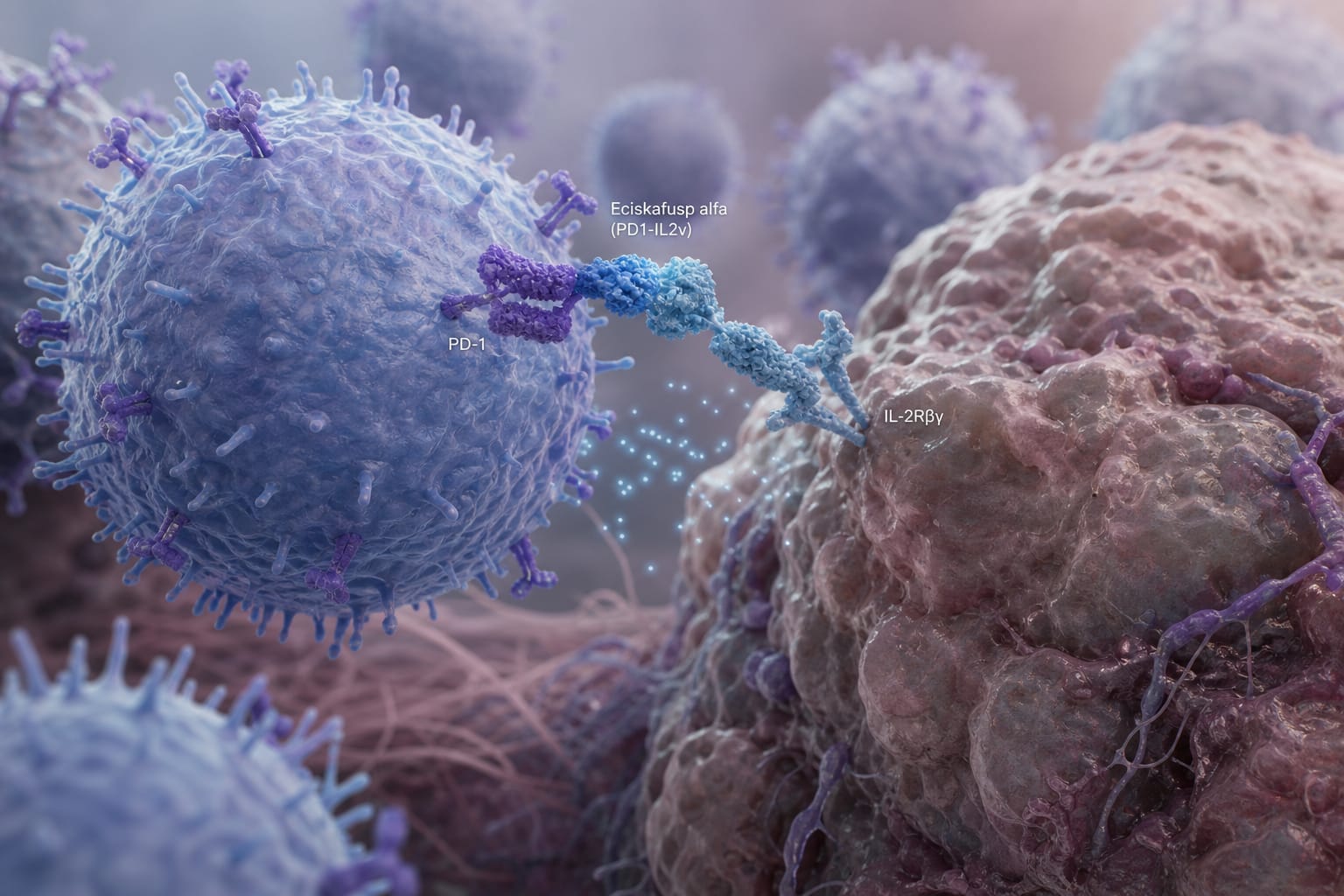
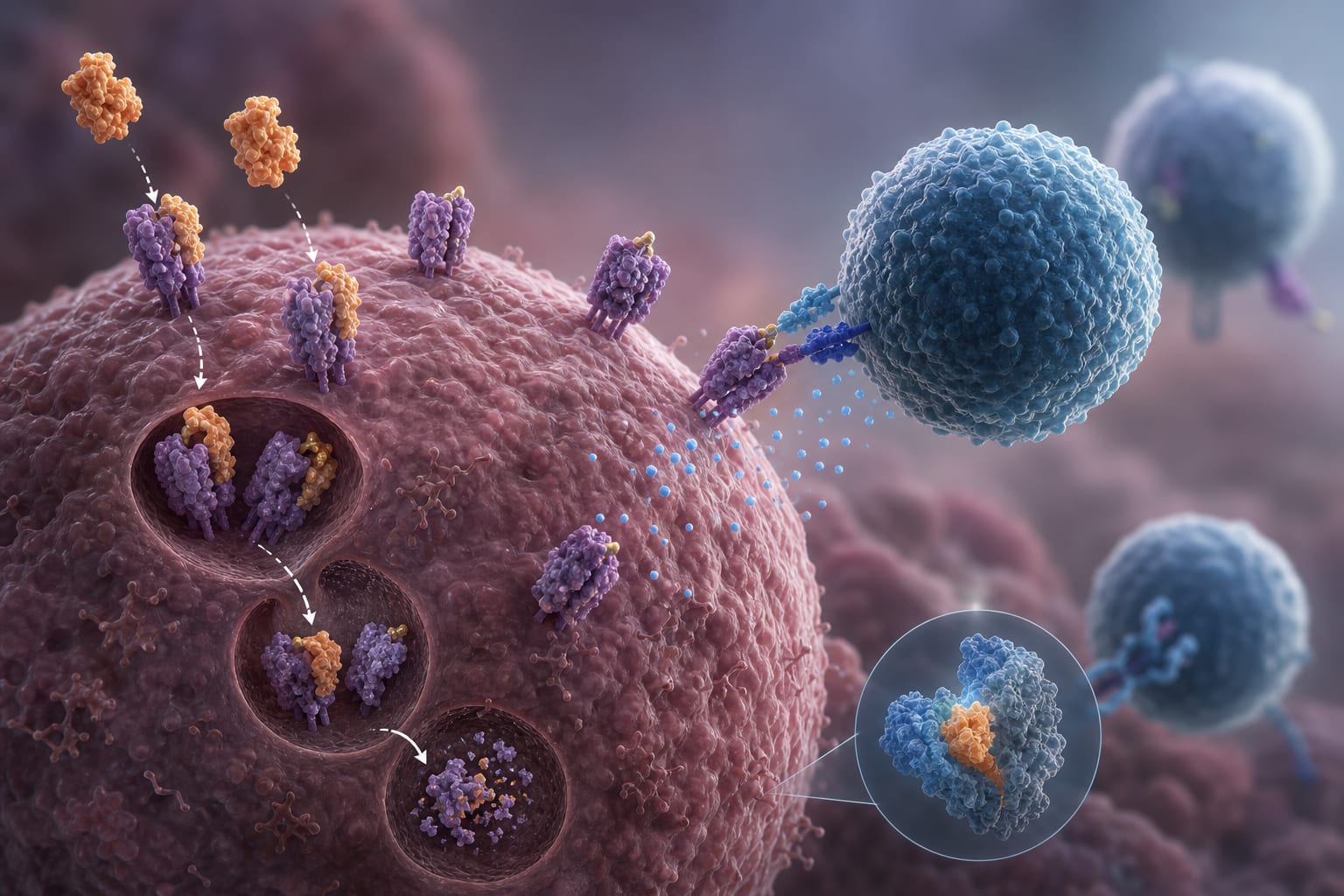
The efficacy of immune checkpoint inhibitors (ICIs) targeting the PD-1/PD-L1 axis has been established in oncology, yet many patients do not respond or develop resistance. Eciskafusp alfa (PD1-IL2v) represents a novel approach designed to enhance IL-2 signaling specifically in PD-1+ T cells while minimizing activation of immunosuppressive Tregs. Understanding the targeting mechanisms of PD1-IL2v is crucial for optimizing therapeutic strategies in solid tumors.
Data Highlights
Finding
Details
PD-1 Density
Increased up to three-fold on CD8+ TILs compared to PBMCs.
Targeting Preference
PD1-IL2v preferentially targets CD8+ TIL subsets over Tregs.
Biological Activity
Higher STAT5 phosphorylation in stem-like and effector CD8+ T cells compared to Tregs.
Key Findings
PD-1 receptor density is significantly higher in CD8+ TILs than in PBMCs.
Eciskafusp alfa preferentially targets stem-like and effector CD8+ T cells.
Induces superior biological activity in CD8+ T cells compared to Tregs.
Identifies PD-1 receptor density as a potential biomarker for patient selection.
Minimizes Treg activation while enhancing intra-tumoral immune stimulation.
Clinical Implications
Detail practical applications of PD-1 receptor density measurements in clinical settings.
Conclusion
Eciskafusp alfa demonstrates a promising approach to selectively enhance CD8+ T cell activity in tumors while reducing Treg activation. Further research may solidify its role in improving patient outcomes in solid tumors.