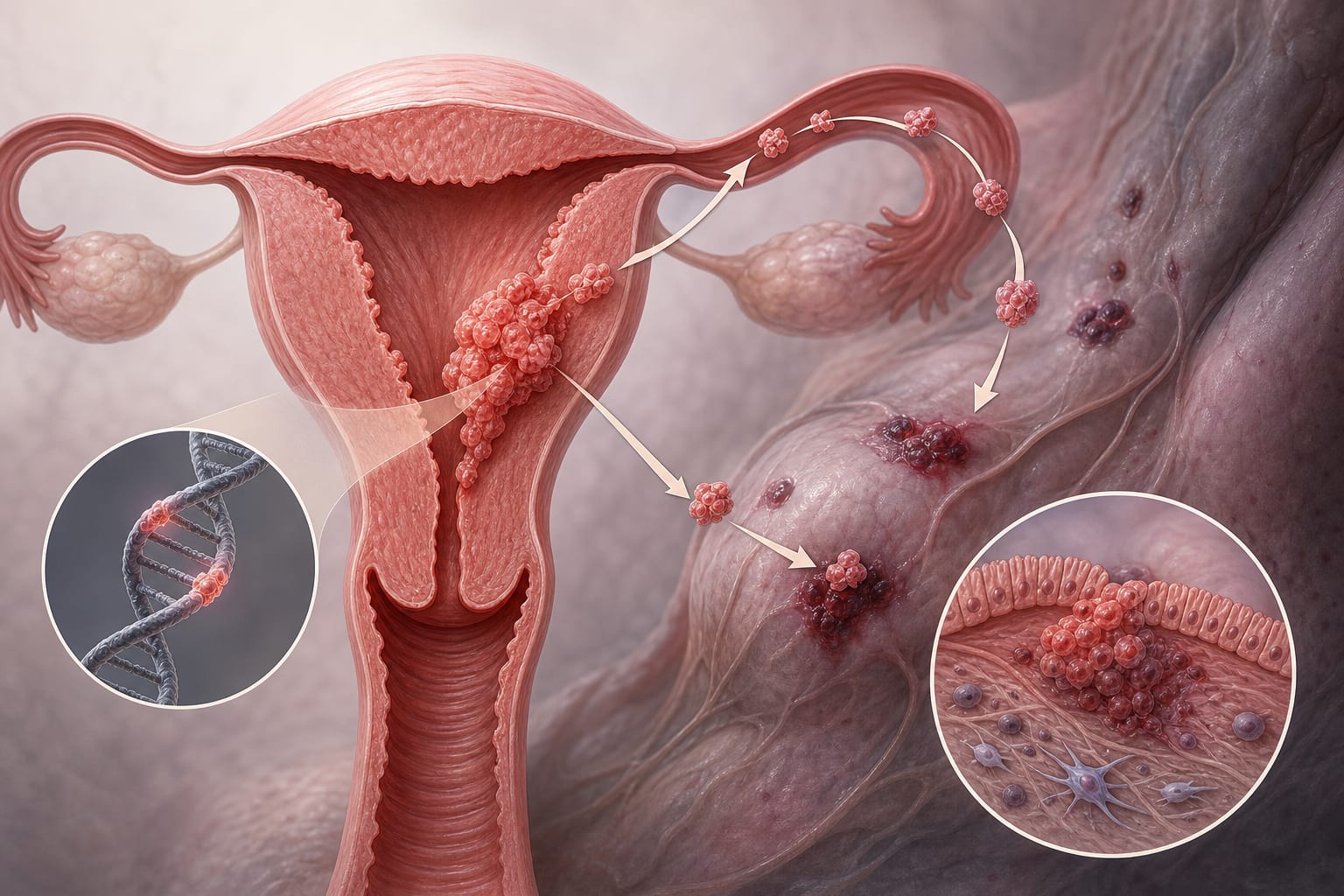
Clinical Report: Enzymatic Lactylation Pathways in Gynecological Disorders
Overview
Lysine lactylation (Kla) is a novel post-translational modification that uses lactate to regulate gene transcription and cellular metabolism. Dysregulation of lactylation is implicated in gynecological cancers, endometriosis, premature ovarian failure, and adverse pregnancy outcomes, highlighting its potential as a therapeutic target.
Background
Lactylation involves the covalent attachment of a lactyl group derived from lactate to lysine residues on histone and non-histone proteins, linking metabolism with epigenetic regulation. This modification influences gene expression and cellular functions such as tumor proliferation, immune response, and cell differentiation. Lactate, traditionally considered a metabolic waste product, is now recognized as a substrate for lactylation, produced mainly via glycolysis and transported by monocarboxylate transporters. Understanding lactylation's role in gynecological diseases may enable precision diagnosis and targeted therapies.
Data Highlights
Lactate is produced from glucose via glycolysis, catalyzed by LDHA, and can be converted back to pyruvate by LDHB. Under pathological conditions like hypoxia, lactate accumulates, fueling lactylation. Alternative lactate sources include glutaminolysis and fatty acid metabolism. Lactate transport is mediated by MCT family proteins, with MCT1 facilitating lactate influx and MCT4 mediating efflux, especially overexpressed in tumor cells to sustain lactylation.
Key Findings
Lysine lactylation modifies histone and non-histone proteins, regulating gene transcription and cellular metabolism.
Dysregulated lactylation contributes to the pathogenesis of gynecological cancers by promoting tumor progression and drug resistance.
Lactylation influences endocrine disorders such as premature ovarian failure by affecting follicular development and hormone synthesis pathways.
In pregnancy-related conditions, lactylation alters trophoblast function and maternal-fetal immune balance, leading to adverse outcomes.
Lactate production and transport via LDHA, LDHB, and MCTs are critical for maintaining lactylation levels in cells.
Therapeutic strategies targeting lactylation enzymatic systems and metabolic pathways show promise for gynecological disease treatment.
Clinical Implications
Recognition of lactylation as a key regulator in gynecological diseases suggests new diagnostic biomarkers and therapeutic targets. Modulating lactylation through inhibition of lactate production, transport, or enzymatic regulators may improve treatment outcomes in gynecological cancers and reproductive disorders. Integrating lactylation-focused strategies could enhance precision medicine approaches.
Conclusion
Lactylation represents a critical link between metabolism and epigenetic regulation in gynecological diseases. Targeting its enzymatic pathways offers promising avenues for advancing diagnosis and therapy in this field.
Related Resources & Content
Zhang et al. 2019 -- Discovery of Lysine Lactylation
Recent studies 2019-2024 -- Role of Lactylation in Gynecological Diseases
A 59-year-old woman was referred to Nicole Gaulin, MD, a gynecologic oncologist at Roswell Park Comprehensive Cancer Center, after learning she had a BRCA2 mutation linked with both breast cancer in a cousin and colon cancer in her father.