Bibliometric Analysis of AI Applications in Spinal Disorders Research
Overview
This bibliometric study analyzed 734 publications from 2006 to 2025 on artificial intelligence (AI) applications in spinal disorders. It identified research trends, hotspots, and key contributors, highlighting the growing role of AI in diagnosis, treatment, and surgical navigation for spinal diseases.
Background
Spinal disorders encompass a wide range of conditions affecting spinal structure and function, leading to significant pain, disability, and healthcare burden globally. Traditional diagnostic and treatment methods rely heavily on clinician expertise but face limitations in accuracy and efficiency. The rapid advancement of AI, particularly deep learning, offers promising tools for improving medical imaging analysis, diagnosis, and intraoperative support in spinal care. Bibliometric analysis provides a quantitative method to evaluate research trends and hotspots in this evolving field.
Data Highlights
A total of 734 valid articles published between May 2006 and May 2025 were included after systematic screening from the Web of Science Core Collection. Publications were analyzed using VOSviewer, CiteSpace, and Bibliometrix Online Analysis Platform to assess authorship, institutions, countries, journals, keywords, and citation patterns.
Key Findings
The number of publications on AI in spinal disorders has increased steadily, reflecting growing research interest and technological advances.
AI technologies such as machine learning, deep learning, natural language processing, and computer-assisted surgery are key focus areas.
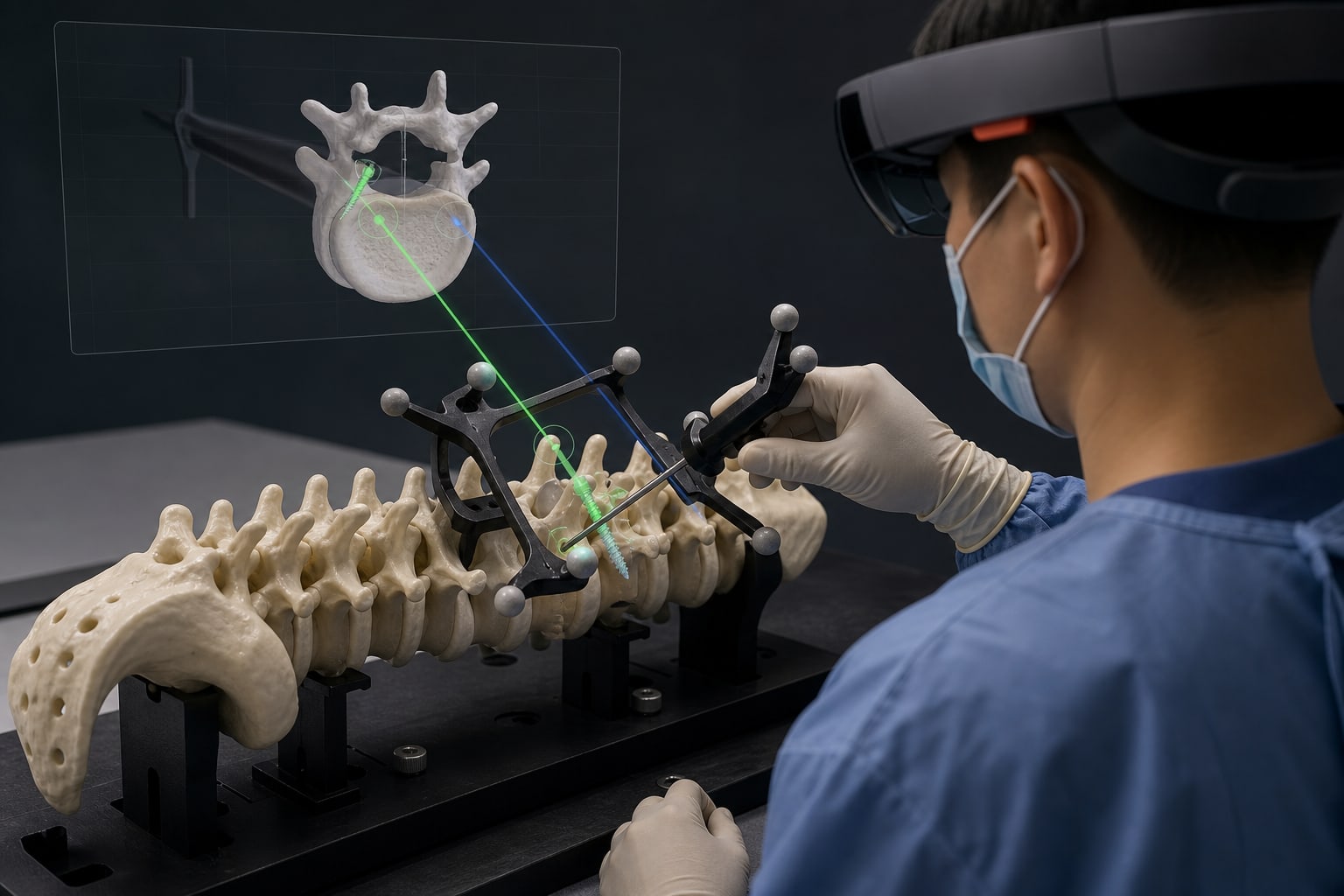
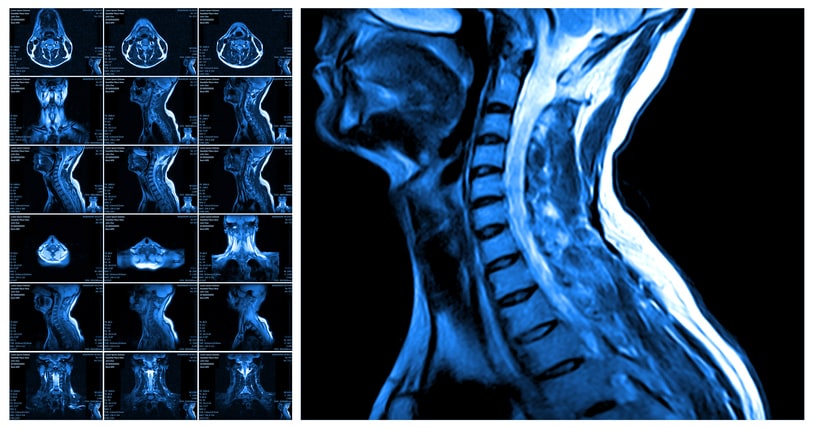
Research hotspots include AI applications in medical image analysis, diagnostic accuracy improvement, and real-time surgical navigation.
Major contributions come from multidisciplinary collaborations involving radiologists, surgeons, computer scientists, and engineers.
Bibliometric tools revealed evolving trends and emerging frontiers, guiding future research directions.
Clinical Implications
The integration of AI into spinal disorder management can enhance diagnostic precision and surgical safety, potentially reducing human error and variability. Clinicians should be aware of these evolving technologies to optimize patient outcomes and incorporate AI-assisted tools into routine practice. Continued research and validation are essential to translate AI advances into standardized clinical workflows.
Conclusion
This comprehensive bibliometric evaluation underscores the expanding role of AI in spinal disorders research, highlighting key trends and future directions. AI holds significant promise to transform diagnosis and treatment paradigms in spinal care.
Related Resources & Content
Wang et al. 2024 -- Bibliometric Evaluation of Research Utilizing Artificial Intelligence in Spinal Disorders