Clinical Report: Microenvironment of Adrenal Tumors and Immunotherapy Potential
Overview
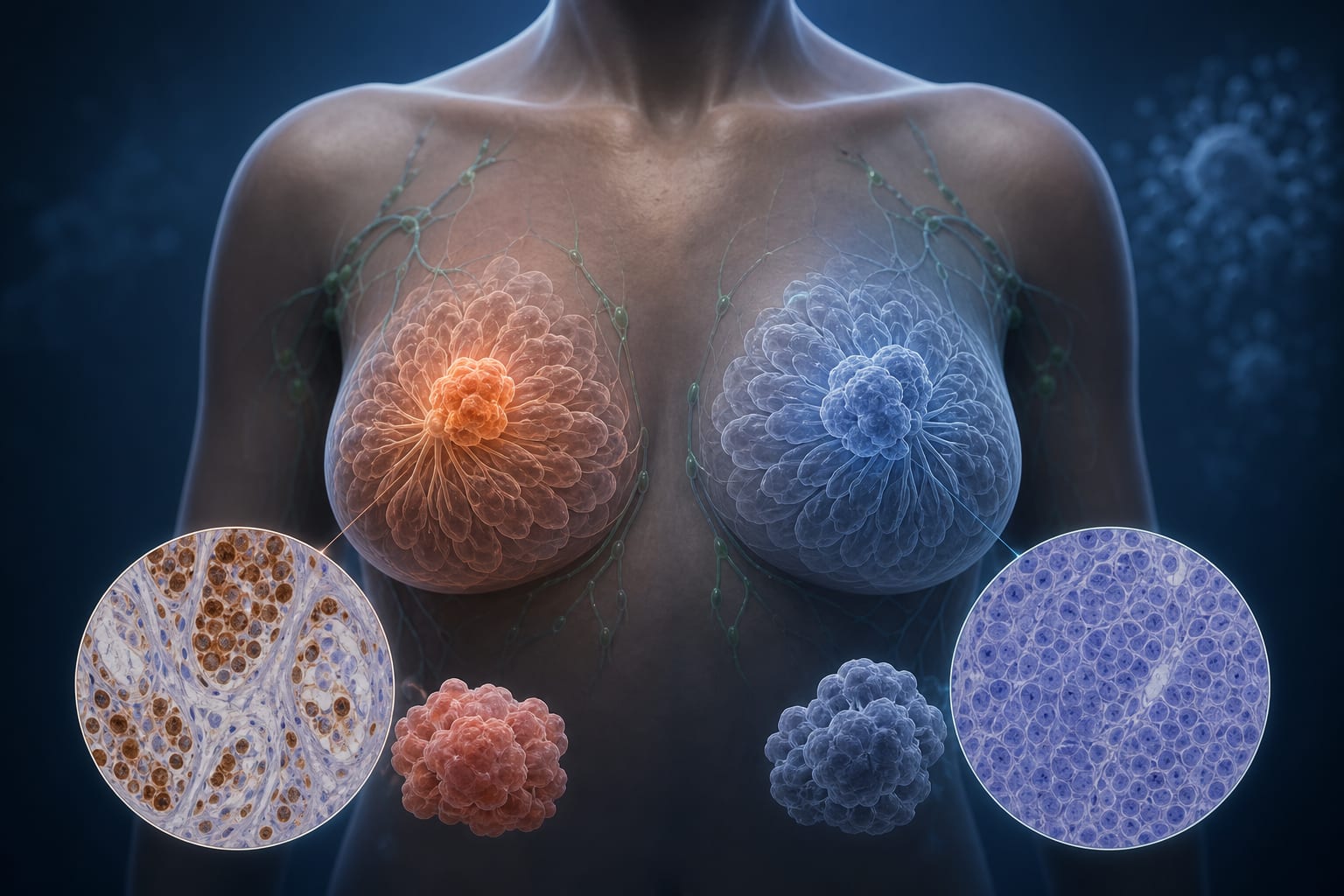
Adrenal tumors exhibit diverse immune microenvironments that influence tumor behavior and treatment responses.
Background
Adrenal tumors range from benign adenomas to aggressive cancers, presenting significant clinical challenges. The immune landscape of these tumors is complex, with various immune and stromal components affecting hormone secretion and tumor progression.
Data Highlights
No specific numerical data provided in the source material.
Key Findings
Adrenal tumors are endocrine-shaped immune ecosystems influenced by hormone secretion and immune interactions.
Aldosterone-producing adenomas (APA) contain M2-polarized macrophages and exhibit metabolic heterogeneity.
Cortisol-producing adenomas (CPA) show local glucocorticoid-driven immunosuppression.
Adrenocortical carcinoma (ACC) is characterized by immune depletion and is influenced by glucocorticoid signaling and hypoxia.
Pheochromocytoma/paraganglioma (PHEO/PPGL) displays subtype-dependent immune features linked to catecholamine biology.
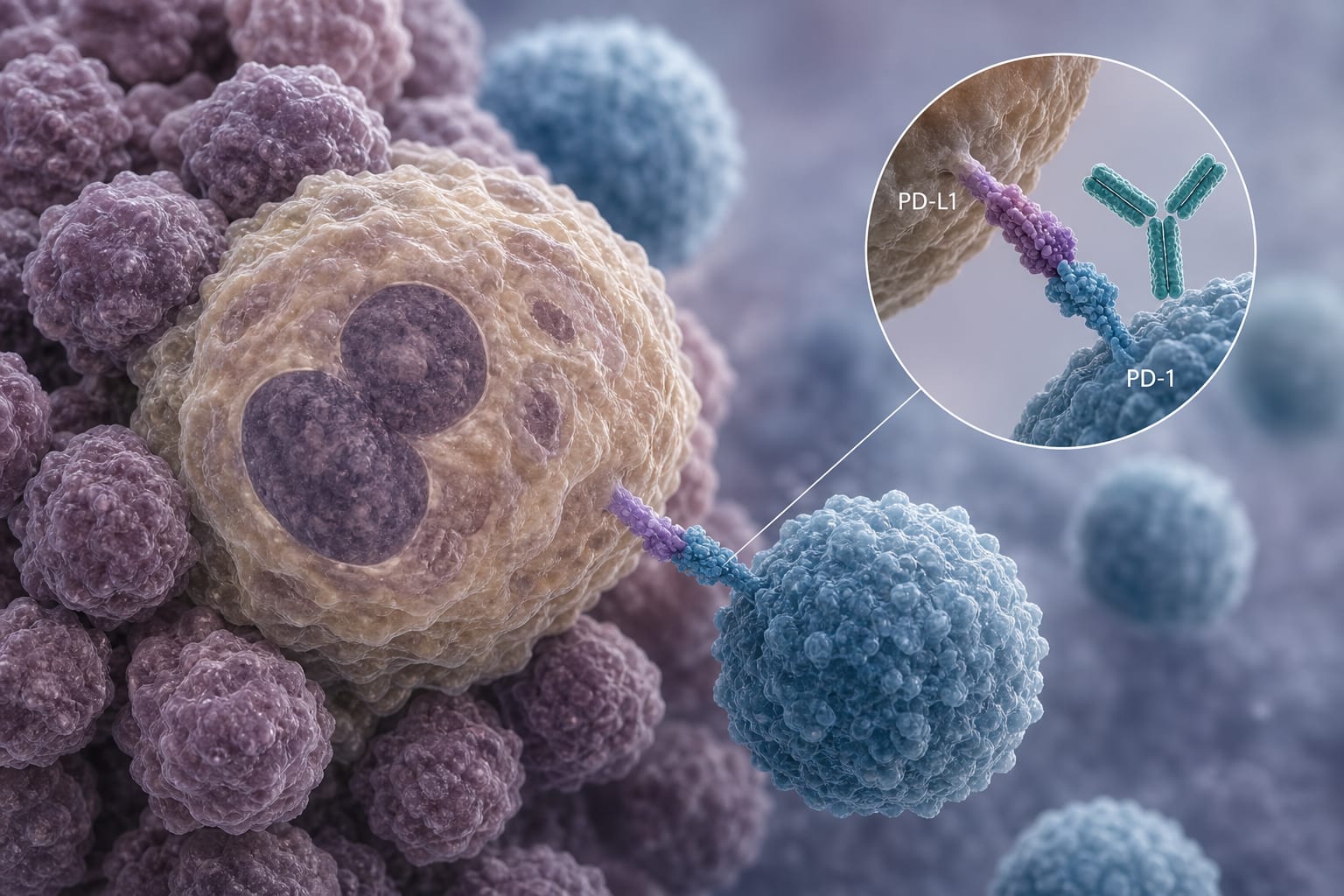
Immune checkpoint blockade has shown modest activity in ACC, with variable responses based on PD-L1 expression and tumor mutational burden.
Clinical Implications
The findings indicate that adrenal tumors should be classified by their immune microenvironment in addition to histology and hormone excess.
Conclusion
The study emphasizes the importance of understanding the immune microenvironment in adrenal tumors.