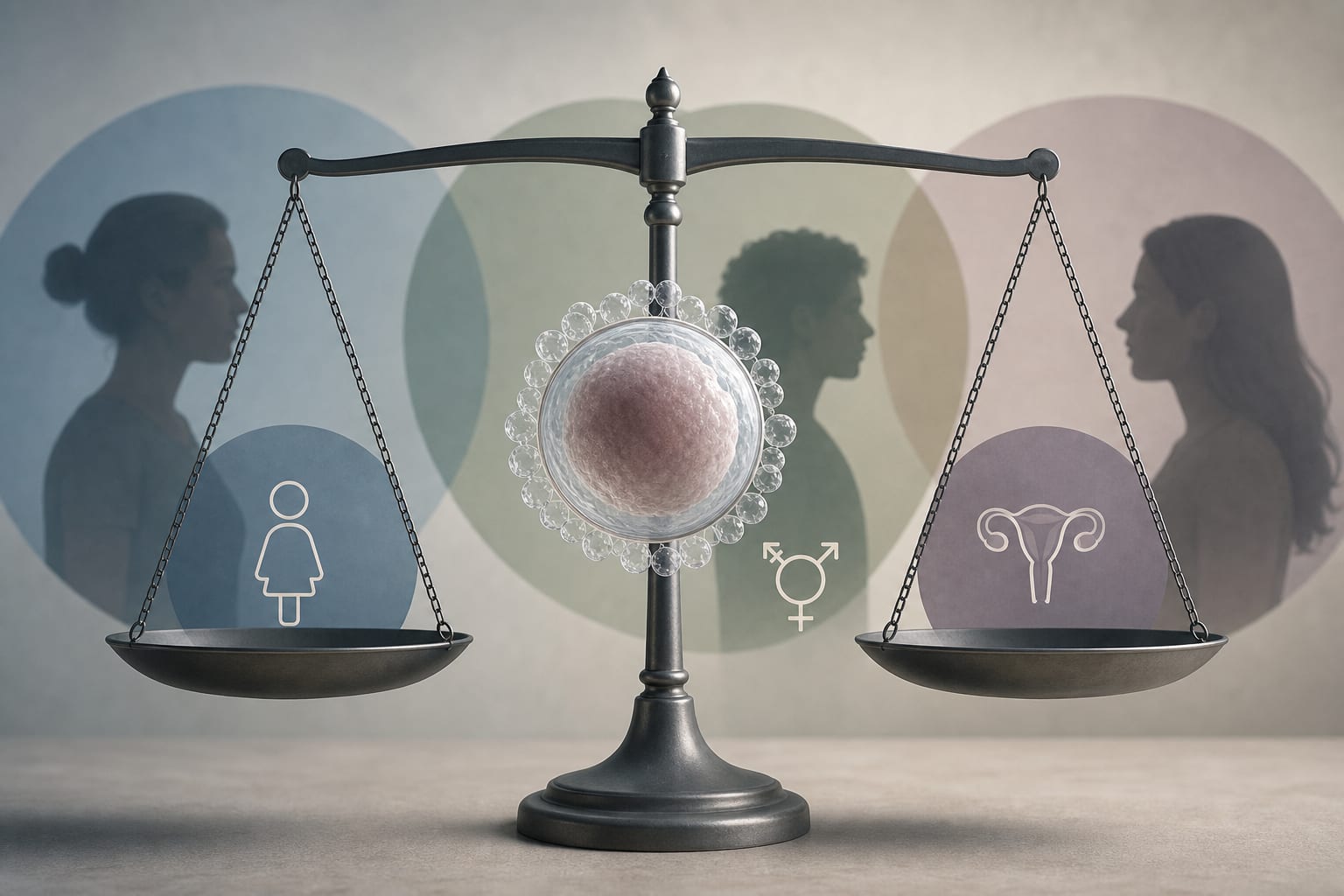
Ethical Considerations in Non-Oncological Fertility Preservation
Overview
This report identifies the ethical challenges associated with non-oncological fertility preservation, particularly in women with endometriosis, those opting for social egg freezing, and transgender individuals. It highlights the need for a tailored ethical approach distinct from oncological cases.
Background
Fertility preservation techniques, initially developed for cancer patients, are increasingly utilized by diverse populations facing reproductive challenges. Understanding the ethical implications of these practices is crucial, especially as they expand beyond oncology. This report addresses the underexplored ethical landscape of non-oncological fertility preservation.
Data Highlights
No numerical data presented in the article.
Key Findings
Challenges in reproductive autonomy and informed consent include decisional pressure and the ability to make future-oriented decisions.
The principle of beneficence emphasizes safeguarding genetic parenthood and preventing future regret.
Non-maleficence highlights medical, psychological, and social risks associated with fertility preservation.
Social justice concerns include unequal access and lack of health insurance coverage for fertility preservation services.
Ethical considerations in non-oncological cases differ significantly from those in oncological fertility preservation.
Clinical Implications
Healthcare providers should be aware of the unique ethical challenges faced by patients seeking non-oncological fertility preservation. Tailored counseling and support are essential to address issues of autonomy, beneficence, and social justice in these populations.
Conclusion
The ethical analysis of non-oncological fertility preservation underscores the necessity for a distinct approach to address the unique challenges faced by patients. Ongoing research is needed to adapt ethical frameworks as technologies and clinical practices evolve.