Editorial: The role of immune and stromal mediators in the formation of pre-metastatic and metastatic niches: the gateway to metastasis - Report - MDSpire
Advertisement
Editorial: The role of immune and stromal mediators in the formation of pre-metastatic and metastatic niches: the gateway to metastasis
Clinical Report: The Influence of Immune and Stromal Factors on Metastatic Niches
Overview
This editorial discusses the critical roles of immune and stromal factors in the formation of pre-metastatic and metastatic niches, emphasizing their impact on tumor progression and treatment resistance. It highlights the need for combination therapies targeting these interactions to improve clinical outcomes in cancer patients.
Background
Incorporate recent research findings to support the discussion on mechanisms of metastasis.
Data Highlights
No numerical data available in the editorial.
Key Findings
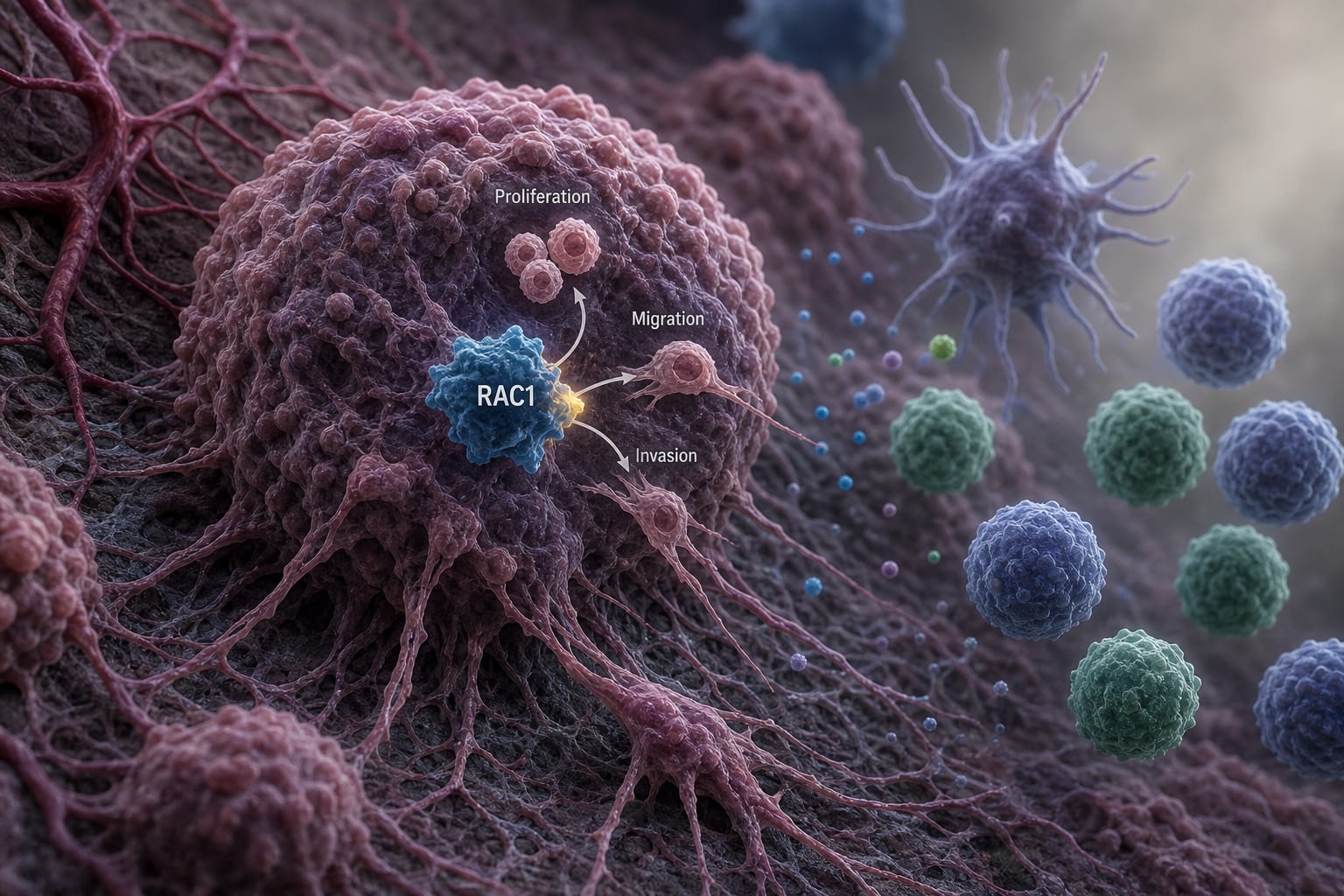
Stromal and immune interactions are crucial in the formation of pre-metastatic and metastatic niches.
Organ-specific characteristics influence the immune response and treatment resistance in metastatic disease.
Platelets and their derived extracellular vesicles play significant roles in promoting tumor cell survival and metastasis.
Osteoclasts in the bone microenvironment can suppress NK cell activity, facilitating immune evasion by cancer cells.
Nidogen-1 is identified as a barrier to metastatic colonization, with its loss promoting metastasis.
Clinical Implications
Detail practical implementation strategies for combination therapies in clinical settings.
Conclusion
The interplay between immune and stromal factors is fundamental in the metastatic process, highlighting the need for innovative therapeutic approaches that address these interactions to improve patient outcomes.