The First NCI-Designated Comprehensive Cancer Center Using 3D Genomics Testing to Diagnose Lymphoma and Sarcoma—a True Game Changer - Report - MDSpire
Advertisement
The First NCI-Designated Comprehensive Cancer Center Using 3D Genomics Testing to Diagnose Lymphoma and Sarcoma—a True Game Changer
Diagnosing lymphoma and sarcoma can be extraordinarily complex, with more than 70 recognized subtypes of lymphoma and more than 100 distinct types of sarcoma. Many subtypes share similar features yet behave in dramatically different ways in standard testing, leaving oncologists with diagnostic quandaries and delays to treatment.
Clinical Report: The First NCI-Designated Comprehensive Cancer Center Using 3D Genomics Testing
Overview
Fox Chase Cancer Center has integrated 3D genomics testing into routine clinical care for lymphoma and sarcoma, enhancing diagnostic accuracy. This innovative approach allows for a deeper understanding of genomic interactions, leading to improved treatment strategies.
Background
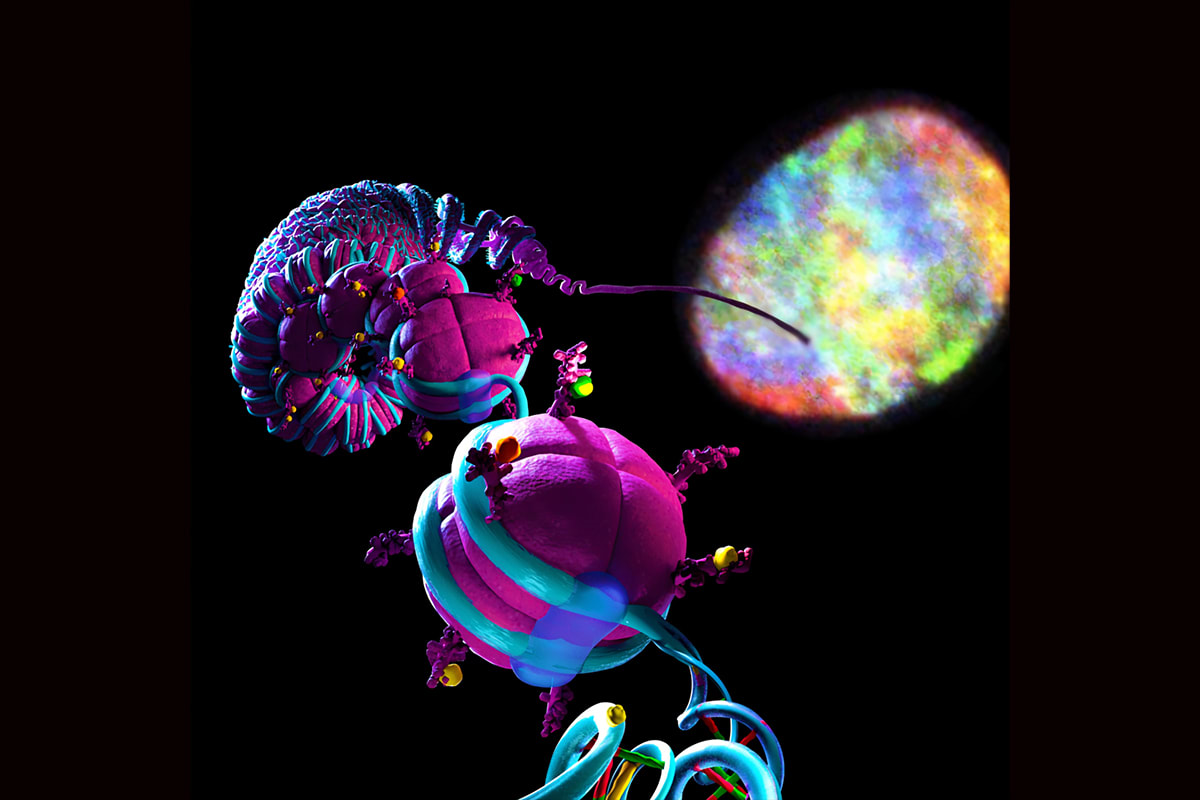
The complexity of diagnosing lymphoma and sarcoma, with over 70 and 100 subtypes respectively, often leads to diagnostic challenges and treatment delays. Traditional two-dimensional genomics testing fails to capture the intricate three-dimensional structure of DNA, which is crucial for understanding cancer behavior. The introduction of 3D genomics testing represents a significant advancement in cancer diagnostics and treatment planning.
Data Highlights
No numerical data provided in the source material.
Key Findings
3D genomics testing provides a detailed view of gene interactions and mutations.
Fox Chase Cancer Center is the first NCI-designated center to implement this technology for lymphoma and sarcoma.
The Aventa™ tests from Arima Genomics can identify crucial gene fusions and rearrangements.
This testing can be performed on existing biopsy slides, reducing the need for new biopsies.
Improved diagnostics can lead to faster initiation of targeted treatment plans for patients.
Clinical Implications
The integration of 3D genomics testing into clinical workflows allows for more precise identification of cancer subtypes, which can significantly inform treatment decisions. Oncologists can leverage this technology to tailor therapies that align with the specific genomic landscape of a patient's tumor.
Conclusion
The implementation of 3D genomics testing at Fox Chase Cancer Center marks a transformative step in the diagnosis and treatment of lymphoma and sarcoma, potentially improving patient outcomes through more personalized care.