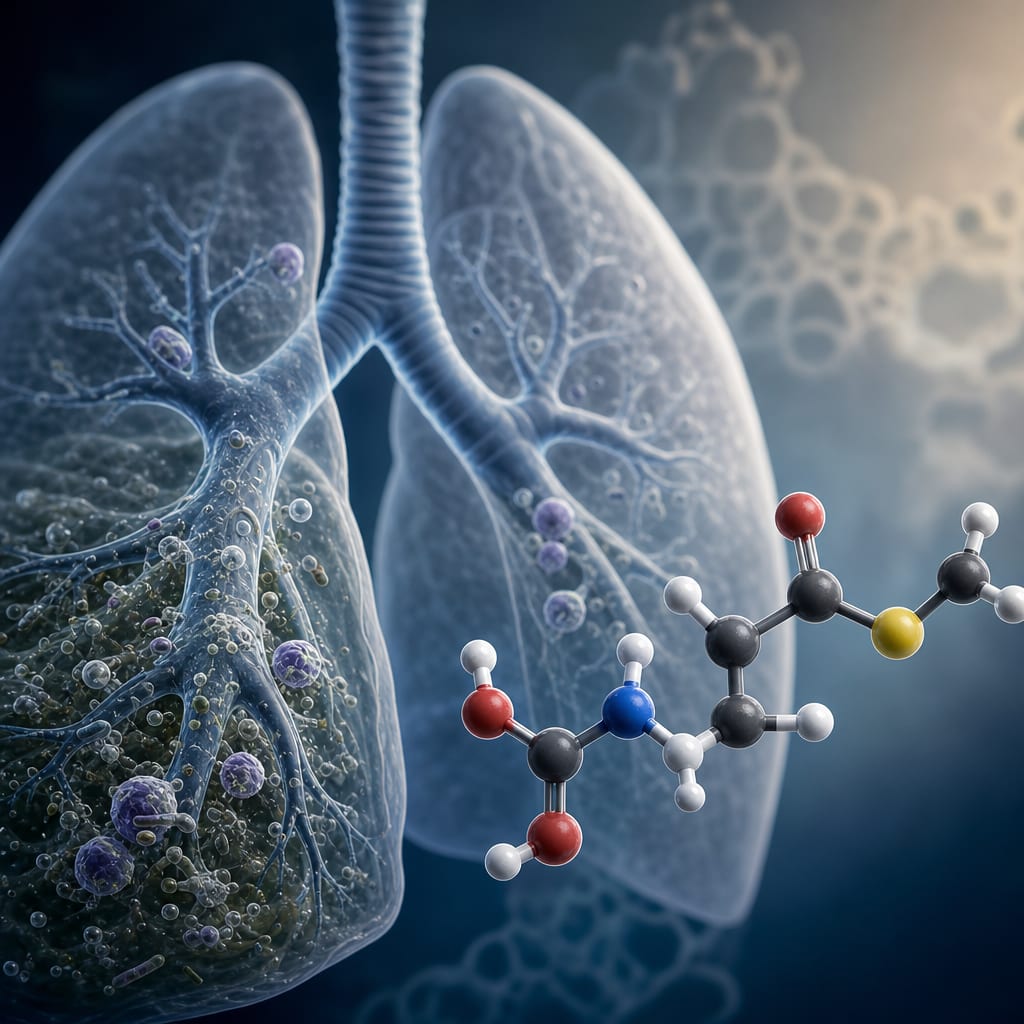
Clinical Report: N-acetylcysteine's Therapeutic Benefits in Respiratory Disorders
Overview
N-acetylcysteine (NAC) is recognized for its antioxidant and anti-inflammatory properties, proving beneficial as an adjunct therapy in chronic respiratory conditions such as COPD, bronchiectasis, and cystic fibrosis. Expert consensus supports its use particularly for preventing exacerbations and improving lung function across these conditions.
Background
NAC serves as a precursor to glutathione, a critical antioxidant in the lungs, and has been utilized for decades in respiratory medicine. Its broader therapeutic potential, including anti-inflammatory and immunomodulatory effects, highlights the need for updated clinical guidelines and increased awareness among healthcare professionals regarding its applications in chronic respiratory diseases, including its role in tuberculosis and other infections.
Data Highlights
Key findings indicate that NAC is effective in preventing exacerbations in COPD, improving lung function in cystic fibrosis, and is generally safe and well-tolerated.
Key Findings
NAC is effective as an adjunct therapy in COPD, particularly for chronic bronchitis phenotypes.
At a dosage of 600 mg twice daily, NAC may prevent exacerbations in COPD patients.
NAC is safe and well-tolerated across various respiratory conditions, as per expert consensus.
In cystic fibrosis, NAC improves lung function and mucociliary clearance.
While promising in tuberculosis and respiratory infections, further evidence is needed for routine use.
The efficacy of NAC in asthma and interstitial lung disease remains uncertain.
Clinical Implications
Clinicians should consider NAC as a valuable adjunctive treatment in managing chronic respiratory diseases, particularly in patients with frequent exacerbations. Awareness of its safety profile and therapeutic benefits can enhance patient outcomes in conditions like COPD and cystic fibrosis. Specific recommendations include monitoring patient response and adjusting treatment as necessary.
Conclusion
The consensus on NAC's role in respiratory disorders emphasizes its multifaceted therapeutic benefits, particularly in chronic conditions. Continued research is essential to fully establish its efficacy across various respiratory diseases, especially in asthma and interstitial lung disease.