CD99 and Its Ligands Influence Immunoregulatory Mechanisms in NK Cells
Overview
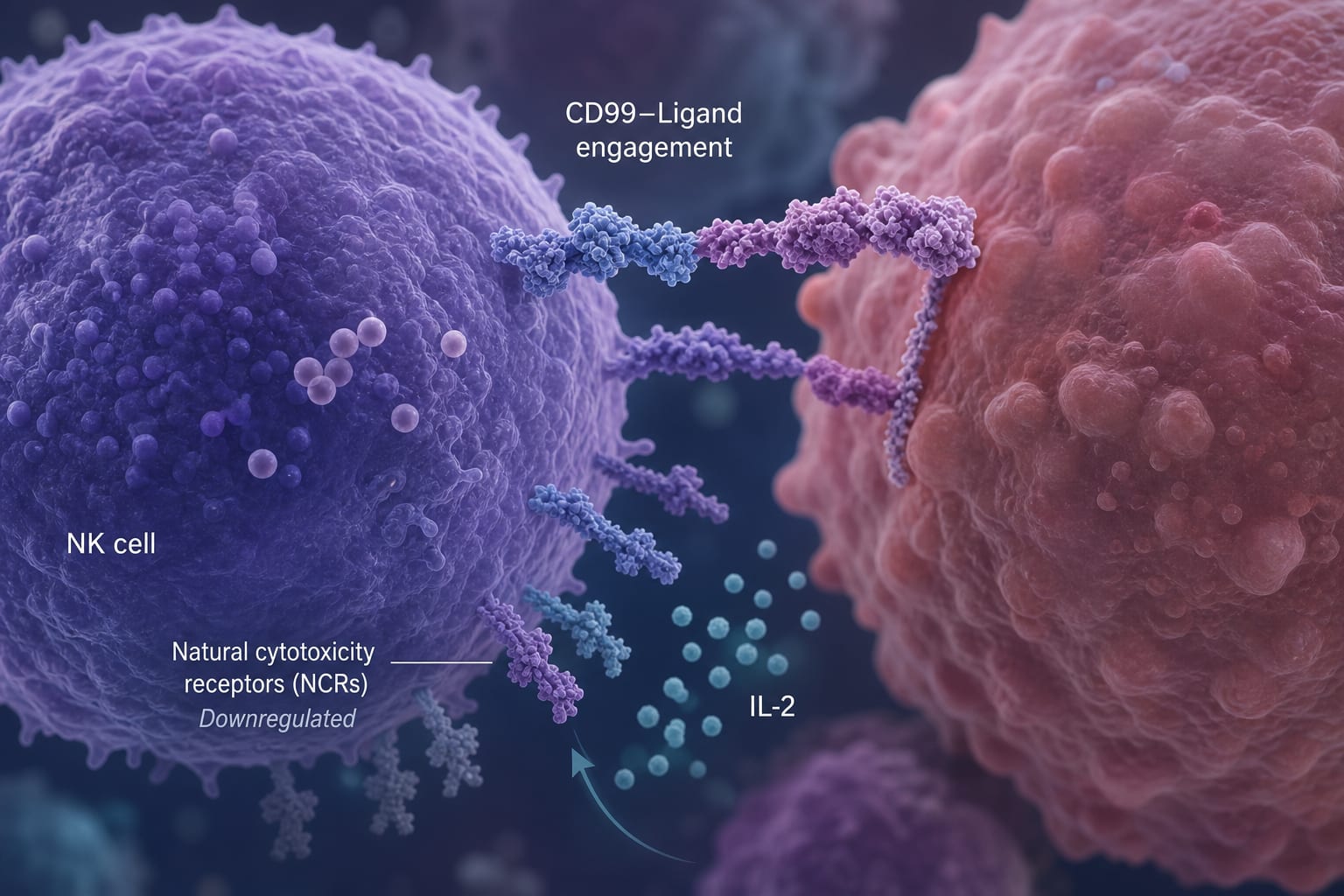
This study reveals that CD99 engagement modulates NK cell phenotypes by downregulating natural cytotoxicity receptors (NCRs) without significantly affecting cytokine production. The findings highlight the context-dependent nature of CD99's role in NK cell activation and receptor dynamics.
Background
Natural killer (NK) cells are essential for immune defense against tumors and viral infections, relying on a balance of activating and inhibitory receptors. CD99, a transmembrane glycoprotein, has been implicated in various immune processes, yet its specific influence on NK cell receptor modulation remains poorly understood. Understanding CD99's role could provide insights into NK cell functionality and potential therapeutic targets in cancer and infectious diseases.
Data Highlights
No significant changes in cytokine production were observed in NK cells despite receptor modulation.
Key Findings
CD99 engagement leads to downregulation of natural cytotoxicity receptors (NCRs) on NK cells.
Different effects of CD99 were noted between peripheral blood mononuclear cells (PBMCs) and purified NK cell cultures.
The surrounding immune cell environment influences CD99-mediated immunomodulatory responses.
CD99 interactions contribute to the regulation of NK cell activation states and receptor dynamics.
No significant changes in cytokine production were observed following CD99 engagement.
Clinical Implications
The modulation of NK cell receptor expression by CD99 suggests potential avenues for therapeutic intervention in enhancing NK cell responses in cancer and viral infections. However, the context-dependent nature of these interactions necessitates further investigation before clinical application.
Conclusion
The study underscores the importance of CD99 in shaping NK cell activation and receptor diversity, providing a foundation for future research into its therapeutic potential in immunotherapy.